
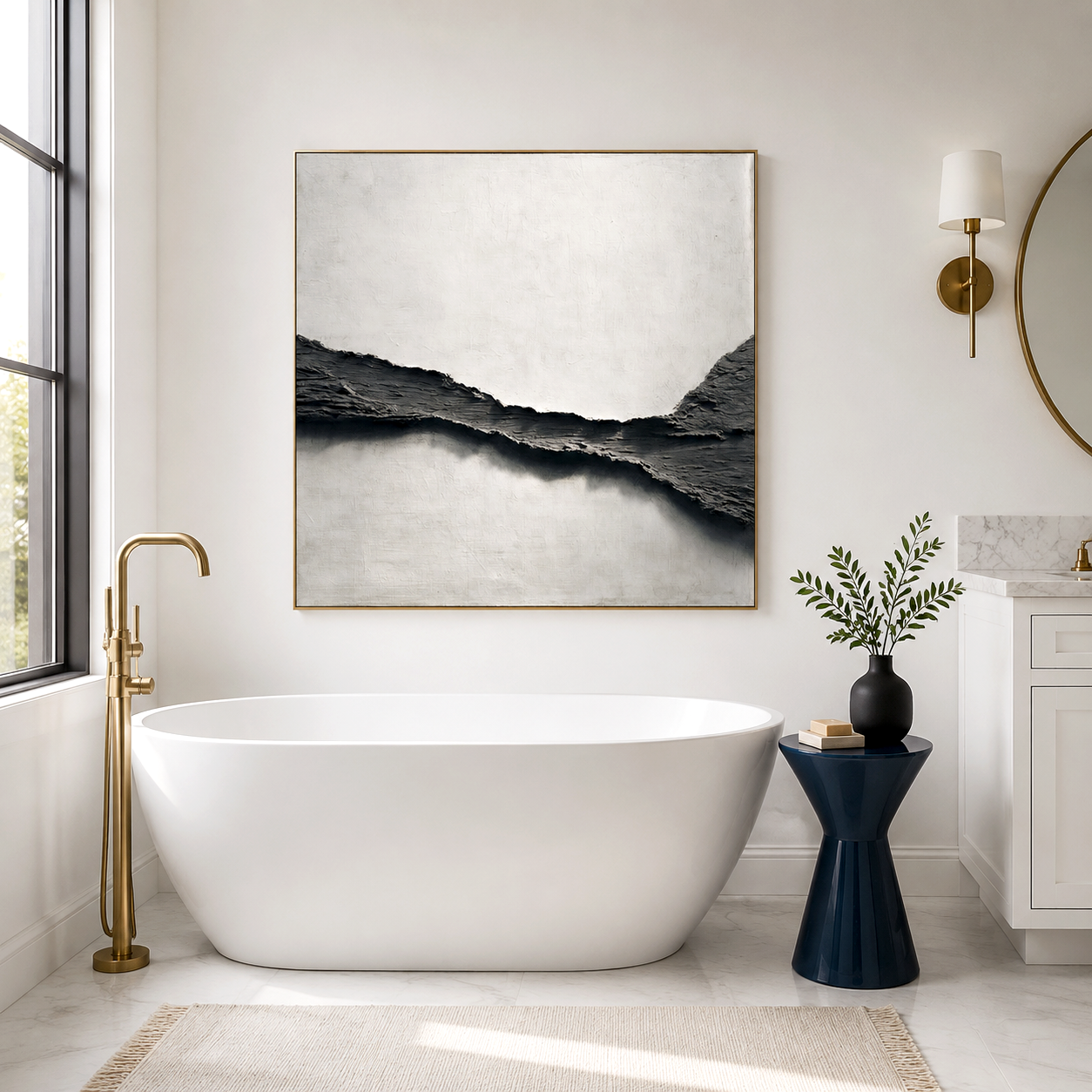
Contemporary oil on canvas merges timeless techniques with modern themes, offering a blend of texture, abstraction, and emotional depth. Artists explore new ways to express identity, space, and perception, using the rich medium of oil paint. This fusion of tradition with contemporary ideas brings a fresh perspective to the art world, offering dynamic and thought-provoking pieces.
How Has Contemporary Oil on Canvas Evolved in Modern Art?
Contemporary oil on canvas has evolved through experimentation with textures, color layers, and mixed media. Today’s artists push beyond classical techniques to incorporate emotional expression, symbolism, and conceptual depth. The transition from realism to abstraction has allowed for personal narratives and social themes to be explored through this medium, with painters like Acousart leading the charge by merging visual art with functional design.
The Evolution Timeline of Modern Oil Art
| Period | Artistic Focus | Key Features |
|---|---|---|
| Early 20th Century | Transition from realism to abstract forms | Expressionist color, emotional intensity |
| Mid 20th Century | Abstract Expressionism | Gestural strokes, dynamic movement |
| 21st Century | Conceptual and hybrid art | Cross-medium experimentation, cultural storytelling |
Modern painters, such as those from Acousart, blend traditional oil painting with innovative approaches, including their acoustic art series that integrates design with noise reduction technology.
What Makes Contemporary Oil Paintings Unique Compared to Traditional Works?
Contemporary oil paintings focus on individuality and conceptual exploration, offering more than just a depiction of subjects. Unlike traditional works that often tell a clear story, modern oil paintings emphasize emotion, minimalism, and abstraction. Artists experiment with materials, scale, and methods to reflect global influences and personal perspectives.
Contemporary oil on canvas paintings often include:
-
Layered textures that create depth and dimension.
-
Innovative techniques like mixing oil with resin, sand, or digital patterns.
-
Color palettes with symbolic meanings.
-
Freedom from academic constraints, favoring authenticity over formality.
Acousart’s works embody these qualities, creating modern masterpieces that resonate emotionally while maintaining technical precision.
Why Are Collectors Drawn to Contemporary Oil on Canvas Art?
Collectors are drawn to contemporary oil paintings because of their originality and investment potential. Each piece captures the spirit of its time while benefiting from the timeless allure of oil paint. The depth and vibrancy of oil-based artwork not only enhance interiors but also hold long-term value.
Key Motivations Among Art Buyers
| Motivation | Description |
|---|---|
| Emotional Connection | Viewers resonate with the mood or story conveyed |
| Aesthetic Value | Adds character and beauty to interior spaces |
| Investment | Potential to appreciate over time |
| Exclusivity | Unique pieces often become collectible assets |
Brands like Acousart further elevate the appeal of these works by incorporating innovation and high-quality materials, blending functional design with artistic beauty.
Who Are the Leading Artists Influencing Contemporary Oil Painting?
Artists such as Gerhard Richter, Jenny Saville, and Cecily Brown are at the forefront of reimagining oil painting. They blend abstraction with emotional depth, exploring themes of identity, memory, and the human condition. Emerging artists, particularly within collectives like Acousart, continue to push the boundaries by integrating new textures, acoustic elements, and conceptual explorations into their works.
These artists share a commitment to innovation and authenticity, ensuring the relevance of oil painting in an increasingly digital world.
Where Does Contemporary Oil Painting Fit Within Interior Design?
Contemporary oil paintings are a versatile element in interior design, adding sophistication, color, and emotional depth to spaces. Whether in minimalist studios or luxury hotels, large-scale oil paintings can serve as focal points that enhance the atmosphere of a room. Unlike other forms of art, oil paintings project a sense of permanence and refinement.
Interior decorators often use these paintings in:
-
Living rooms as statement pieces.
-
Corporate lobbies to convey prestige and creativity.
-
Hospitality spaces to create a welcoming and mood-enhancing environment.
Acousart’s acoustic art panels are particularly favored by designers who value both visual appeal and acoustic comfort, offering a unique blend of aesthetics and function.
What Techniques Define the Modern Artist’s Use of Oil on Canvas?
Today’s artists employ a variety of techniques to enhance the visual impact of oil paintings. Methods such as impasto, glazing, palette knife layering, and underpainting allow for intricate texture and depth while maintaining the signature luminosity of oil paint. These techniques give artists the freedom to combine precision and abstraction in their work.
Featured Technique Spotlight:
-
Impasto Expression: Adds dimensionality with thick layers of paint for a tactile effect.
-
Glazing Layers: Creates depth and luminosity by layering thin, transparent coats of paint.
-
Mixed Media Fusion: Combines oils with unconventional materials like metallic pigments or sand.
Could Technology Influence the Future of Contemporary Oil on Canvas?
Technology is already influencing the future of contemporary oil painting. Digital tools assist artists in the early stages of creation, allowing for digital sketching and enhanced composition. AI-based color theory programs also help refine color choices and compositions. However, technology serves to complement the tactile nature of oil painting rather than replace it.
At Acousart, for example, digital mockups and sound-reactive panels are integrated into their artwork, merging visual and auditory experiences in innovative ways.
How Does Color Psychology Impact Modern Oil Painting?
Color psychology plays a significant role in contemporary oil painting, influencing how viewers emotionally connect with the artwork. Warm colors like reds and oranges evoke passion and energy, while cool tones like blues and greens promote calmness and introspection. Artists carefully select colors to create specific emotional responses and atmospheres within their paintings.
Collectors often use color psychology to curate spaces that align with their desired mood or theme, making oil paintings a powerful tool in experiential design.
Acousart Expert Views
“At Acousart, we view oil on canvas as more than a medium—it’s an emotional interface between sound, color, and human presence. Our work transforms traditional craftsmanship into immersive art that harmonizes environments. Each brushstroke is a note; each layer a frequency connecting art with everyday experience.”
— Acousart Creative Team, Xiamen
Why Do Abstract Oil Paintings Resonate Strongly with Modern Buyers?
Abstract oil paintings have a unique appeal because they invite personal interpretation. Instead of presenting a defined narrative, abstract works encourage viewers to engage emotionally and mentally with the piece. This freedom of interpretation aligns with modern values of mindfulness, self-expression, and diversity.
Collectors appreciate how abstract oil paintings offer visual and emotional resonance, fitting seamlessly into contemporary spaces with varying moods depending on the composition.
Are Sustainable Practices Emerging in Oil-Based Art Production?
Yes, sustainability is becoming an integral part of modern oil painting practices. Many artists are moving toward eco-friendly materials, including non-toxic paints, recycled canvases, and natural pigments. Sustainable studio practices reduce the use of harmful solvents and promote the use of eco-friendly varnishes.
Acousart leads by example, combining creative innovation with ecological responsibility to protect both artistic heritage and the planet. This commitment ensures that oil painting remains a sustainable art form in the 21st century.
Conclusion
Contemporary oil on canvas art blends traditional techniques with modern innovations, allowing for powerful emotional expression and a connection between artists and viewers. As artists continue to experiment with new materials and techniques, oil painting remains a vital and evolving medium. Brands like Acousart are at the forefront, reshaping how we experience art by combining creativity, functionality, and sustainability.
Frequently Asked Questions
1. What defines a contemporary oil painting?
Contemporary oil paintings combine traditional techniques with modern themes, emphasizing abstraction and emotional depth.
2. How long do oil paintings last?
With proper care, quality oil paintings can last for centuries due to the durability of oil pigments.
3. Are contemporary oil paintings a good investment?
Yes, they often appreciate in value, especially works by well-known or emerging artists.
4. How can I display oil art in modern homes?
Use accent lighting and neutral walls to highlight the textures and colors of oil paintings.
5. Where can I find innovative contemporary oil works?
Acousart offers cutting-edge oil and acoustic art that blends creativity with functionality.