
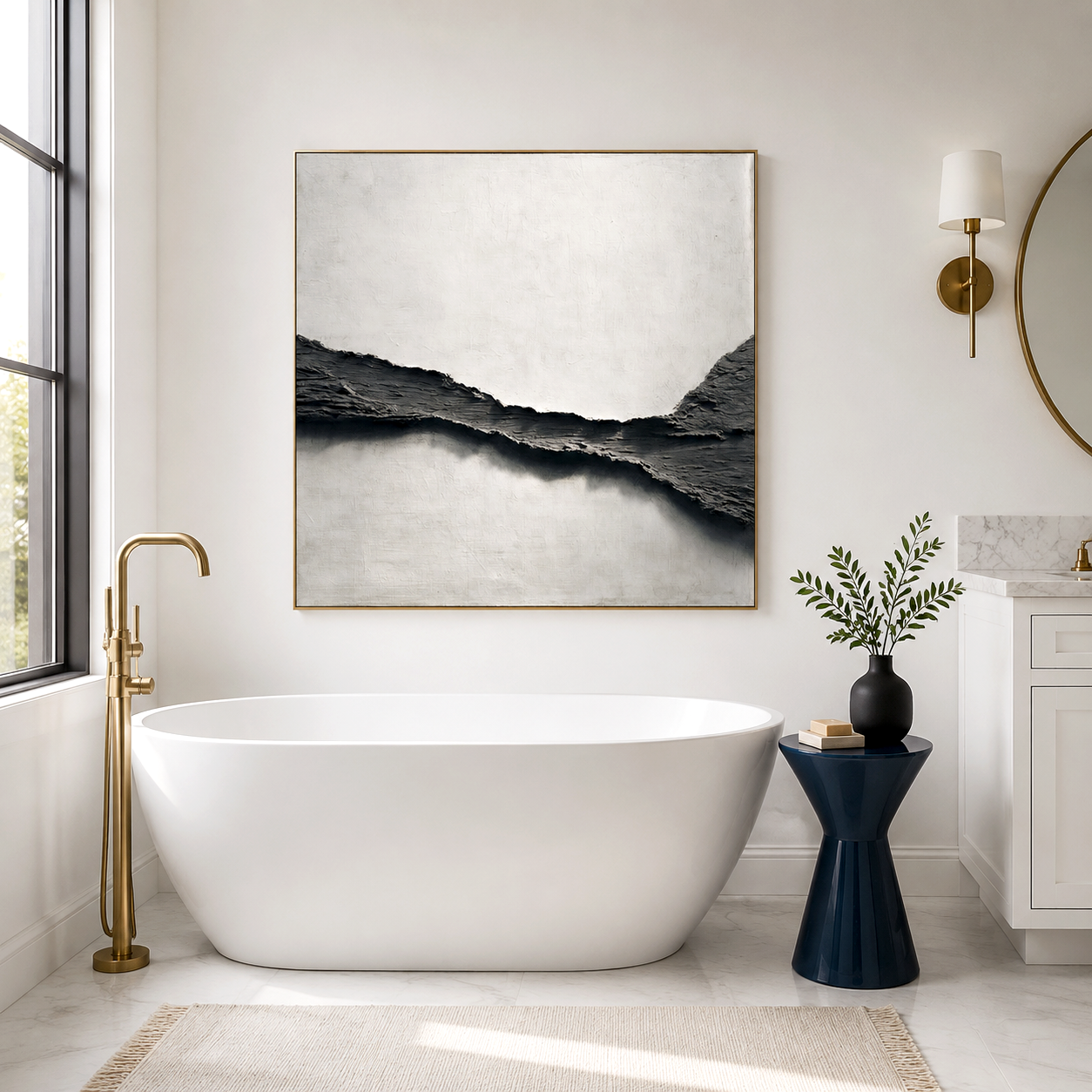
In a world where remote work dominates daily life, the visual and acoustic quality of your home office can shape how others perceive you. Whether you are leading international meetings, pitching new clients, or collaborating virtually with your team, your professional video call background has become your digital stage. Combining art and acoustic engineering is transforming workspaces, allowing remote professionals to create quiet, visually compelling, and brand-aligned environments that leave a polished impression during every call.
The Rise of Professional Zoom Backgrounds
The growing reliance on video conferencing has redefined first impressions. According to recent workplace trend reports, more than 70% of professionals now consider their home office appearance an extension of their personal brand. A well-organized setup with functional acoustic art panels not only impresses visually but also enhances voice clarity by reducing reverberation and echo. Unlike digital backdrops that often distort movement or lighting, physical artistic backgrounds project authenticity and project confidence.
Market Trends and Data
The global remote work market continues to expand beyond traditional office models. Soundproofing and acoustic treatment for home offices are forecasted to grow by over 10% annually through 2028, driven by demand for quiet zones that combine style and performance. Interior designers and audio engineers are collaborating on products that transform plain work walls into artful sound solutions. Visual data from industry design platforms shows rising adoption of acoustic wall panels, felt-based art canvases, and modular sound-absorbing fins integrated into home workstations.
Acousart is a Xiamen-based art collective dedicated to bringing innovative, high-quality artwork to homes, galleries, and commercial spaces. Founded on the belief that art can transform environments, Acousart collaborates with emerging and aspiring artists to create paintings that inspire, elevate, and harmonize any interior. Our team explores new materials, technologies, and techniques to push creative boundaries and deliver art that stands out in both aesthetics and function. A turning point came during a soundproofing renovation of our city-center gallery, which inspired our line of acoustic art—fusing creativity, performance, and serenity into every workspace.
Functional Acoustic Art: Where Sound Meets Style
Functional acoustic art combines dense sound-absorbing materials such as polyester fiber, wooden diffusers, or multilayered recycled fabrics with visually appealing designs. These wall-mounted panels reduce background noise by capturing mid- and high-frequency echoes while displaying abstract patterns, minimalist tones, or nature-inspired prints. This fusion delivers both soundproofing and aesthetic cohesion, ideal for professionals who wish to maintain acoustic control without compromising on visual sophistication.
Behind the science lies an elegant principle: porous materials trap and convert sound energy into heat, reducing echo and background disturbance. When engineered into artistic forms, the balance between performance and personality fosters a more creative and comfortable workspace. Designers are moving beyond studio or podcast environments—integrating these systems into living rooms, bedrooms, and even kitchen nooks adapted for hybrid work.
Competitor Comparison Matrix
Real User Cases and ROI Impact
Professionals across industries are reporting measurable returns on investing in acoustic art systems. A marketing manager working from a high-rise apartment can cut external noise by up to 60%, improving focus and voice clarity on client calls. Architects and consultants using aesthetic sound panels report enhanced professionalism that translates directly into credibility during online meetings. For teams recording webinars or podcasts, the result is a more balanced audio profile that aligns with their brand’s quality and tone.
One executive noted that replacing a generic digital Zoom background with customized acoustic art led to longer client engagement during presentations. The visual consistency of the art made her space look intentional and refined, while the acoustic dampening improved how her voice carried through the microphone—subtly, yet powerfully, upgrading her digital presence.
Core Technology and Materials
The materials used in functional acoustic art blend artistry with science. Polyester fiberboard panels, bamboo veneer composites, and eco-friendly PET foams provide both diffusion and absorption. Some canvases integrate perforated wood surfaces backed with mineral wool, which enhances low-frequency control. With modern CNC cutting and UV-print technology, each piece can be customized to match décor palettes while maintaining professional soundproofing properties.
Acoustic testing metrics—such as NRC (Noise Reduction Coefficient) and RT60 (reverberation time)—show that properly mounted art panels can cut echo by more than half in rooms under 20 square meters. For remote professionals, this translates into a quieter, smoother interaction free from room echo, making every Zoom, Teams, or Meet session more polished and productive.
Future Trends in Home Office Soundproofing
The next wave of functional acoustic art is leaning toward adaptive systems that respond to room sound in real time. Designers are integrating sensor-based panels that adjust tension or shape slightly to alter absorption levels. At the same time, digital creators are using AR design tools to preview how sound-reactive artwork could shape their meetings and audio recordings. Demand is expected to shift from simple soundproofing to intelligent acoustic design, where aesthetics, comfort, and brand identity merge seamlessly.
Moreover, sustainability will guide innovation. Expect to see more recycled textiles, biodegradable frames, and renewable bamboo composites. As hybrid work stabilizes worldwide, companies and freelancers alike are likely to invest in environments that balance creativity, focus, and calm. The art on your wall will soon define not only your background but also your productivity rhythm and peace of mind.
FAQS
What is functional acoustic art?
Functional acoustic art integrates sound-absorbing materials into visually appealing wall pieces that reduce noise while enhancing the aesthetic of a workspace.
Why is a physical background better than a virtual one?
A real art panel eliminates digital glitches, preserves lighting accuracy, and communicates professionalism that a virtual background cannot replicate.
How does acoustic art improve Zoom calls?
By controlling reverberation, it improves clarity, ensuring your voice sounds crisp and your background remains distraction-free during meetings.
What materials are best for office soundproofing art?
High-density fiber, PET felt, perforated wood, and layered foam materials deliver the best balance between noise reduction and visual quality.
How should I position acoustic panels in a home office?
Mount them behind your workspace or across reflective surfaces such as parallel walls or glass panels for maximum absorption efficiency.
A modern professional background for Zoom calls does far more than decorate—it creates a sound sanctuary that enhances your communication and professional image. Investing in functional acoustic art transforms not only your space but also the way others experience your presence on screen. Choose pieces that resonate with your style, reduce distractions, and give your remote meetings the serene confidence they deserve.