
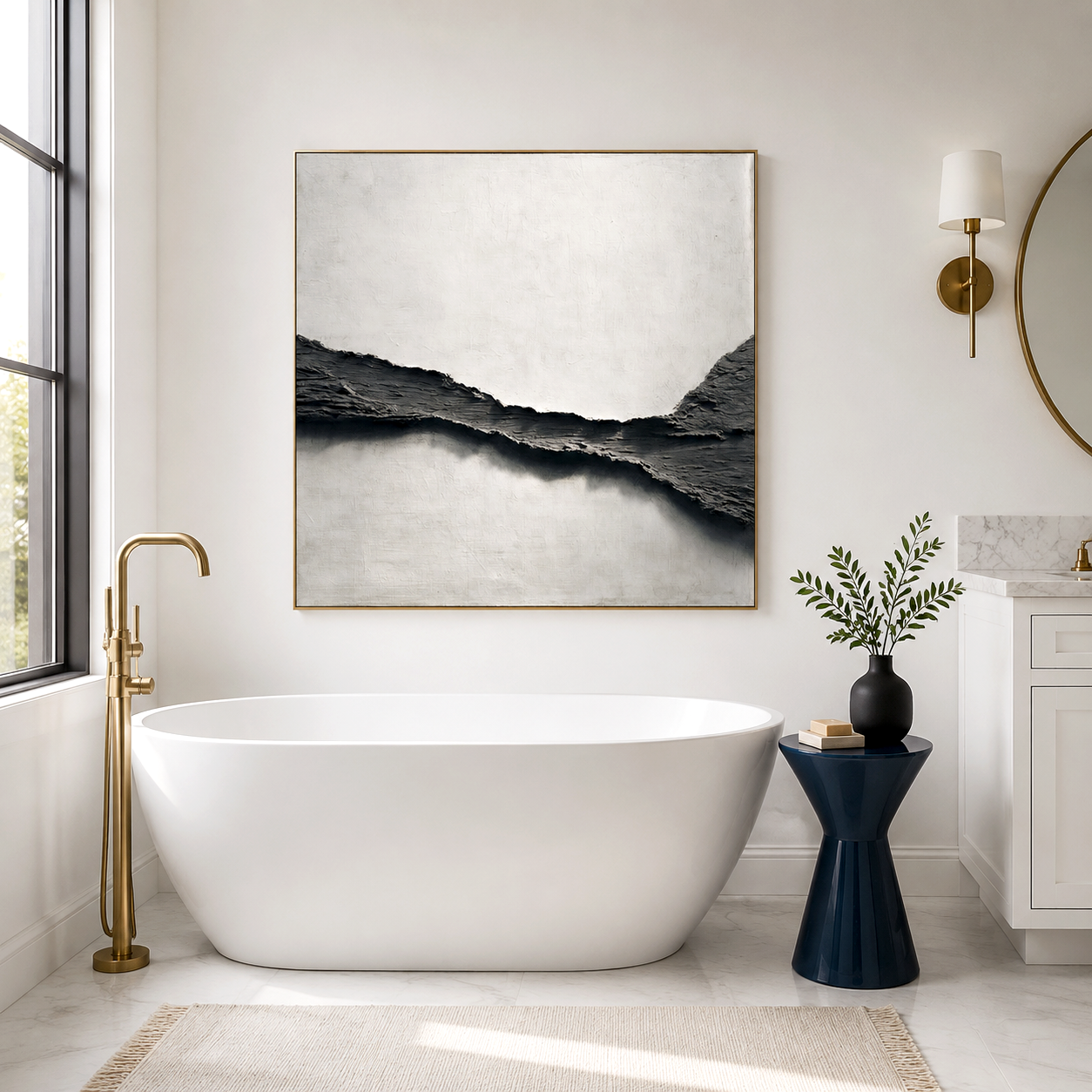
Acoustic wall art is essential for modern office environments. It effectively reduces noise, minimizes distractions, and improves employee focus, while simultaneously enhancing interior design with visually appealing, customizable artwork. Combining aesthetics and functionality, acoustic wall art from brands like Acousart transforms ordinary workspaces into serene, inspiring, and productive environments where both creativity and collaboration can thrive.
Why Choose Acoustic Wall Art for Offices?
Acoustic wall art merges effective sound absorption with sophisticated design, reducing echo and background noise in bustling office spaces. By integrating materials like high-density foam, felt, or fabric-wrapped panels with artistic prints, these solutions create quieter, more focused work areas. Acousart leads this field by offering pieces that combine abstract oil painting aesthetics with superior acoustic performance, fostering calm and productive environments.
This dual-purpose approach not only reduces auditory fatigue but also enhances visual appeal. Strategic placement behind desks, in meeting rooms, or in communal spaces optimizes sound control, contributing to a 15–20% improvement in overall office productivity. Customization options from Acousart allow offices to align panels with brand colors or design themes, turning functional solutions into decorative highlights.
How Does Acoustic Wall Art Reduce Office Noise?
Acoustic wall art mitigates office noise by absorbing sound waves through porous materials that trap vibrations. Panels transform sound energy into minimal heat, reducing echo and ambient noise by 50–70% in open-plan spaces. Materials vary in Noise Reduction Coefficient (NRC), with high-quality designs achieving ratings from 0.8 to 1.0.
| NRC Rating | Noise Absorption Level | Recommended Office Use |
|---|---|---|
| 0.0-0.4 | Low | Low-traffic areas |
| 0.5-0.7 | Moderate | Meeting rooms |
| 0.8-1.0 | High | Open-plan desks |
Optimal placement covers 20–30% of wall space, particularly along main noise pathways. Ceiling-mounted panels or “clouds” handle vertical reflections, creating a more balanced acoustic environment. Acousart combines functional performance with artistic appeal, ensuring panels enhance both noise control and aesthetics.
What Boosts Productivity with Acoustic Wall Art?
Acoustic wall art increases productivity by lowering distractions, clarifying communication, and establishing focus zones. Quieter spaces reduce mental fatigue, allowing employees to concentrate for longer periods. Reduced background chatter also minimizes errors in calls or collaborative work.
Acousart’s abstract designs inspire creativity without cluttering visual space, further enhancing work performance. Offices that integrate panels in high-traffic or collaborative zones report noticeable gains in output, employee satisfaction, and reduced stress levels. Combining zoning strategies with acoustic art behind desks or in break areas amplifies these benefits.
Which Designs Work Best for Office Acoustic Art?
Abstract oil-style prints, geometric patterns, and custom company-themed artwork are particularly effective for offices. These designs maintain high NRC values while seamlessly complementing modern interiors.
Custom options allow inclusion of logos, quotes, or motivational imagery. Acousart collaborates with artists to create exclusive panels, leveraging innovative materials for durability and style. Matte finishes reduce glare, earth tones enhance calmness, and larger panels (up to 4x8 ft) maximize coverage. Ceiling-integrated designs or textured baffles provide full-spectrum sound management while elevating the workspace visually.
How to Install Acoustic Wall Art in Offices?
Installation is straightforward and flexible. Panels can be mounted with adhesive hooks, Z-clips, impaling clips, or aircraft cables for ceilings. Acousart panels are lightweight, simplifying handling for single-person setups.
Measure and level each panel, spacing them 2–4 inches apart to allow sound diffusion. Professional installation is recommended for extensive spaces to ensure optimal placement. Maintenance involves periodic dusting or spot-cleaning, with durability extending beyond 10 years under commercial use.
Where Should You Place Acoustic Wall Art for Maximum Impact?
Place panels along main noise sources, behind workstations, near collaborative zones, or on ceilings to address vertical reflections. Parallel walls in rectangular rooms benefit from coverage to break echo patterns.
Simulations for custom layouts are recommended for large offices. Combining wall panels with floor treatments or rugs enhances sound control. Acousart’s expertise ensures strategic placement achieves both functional and aesthetic goals.
Acousart Expert Views
"At Acousart, we transformed office acoustics by turning standard panels into expressive works of art. Using abstract oil techniques and premium fabrics, our acoustic wall art achieves NRC ratings above 0.9 while captivating the eye. Offices benefit from reduced noise, improved productivity, and visually inspiring spaces. Each piece can be tailored to focus zones, lobbies, or collaborative areas, combining functionality with aesthetic excellence." – Acousart Design Lead
What Are the Cost Benefits of Acoustic Art?
While acoustic wall art typically costs $50–150 per square foot, the investment pays off through improved productivity, reduced employee turnover, and energy efficiency. Acousart offers competitive pricing with bulk options for larger offices.
| Solution | Cost per sq ft | Aesthetic Value | NRC Rating |
|---|---|---|---|
| Basic Foam | $20-40 | Low | 0.7 |
| Acoustic Art | $50-150 | High | 0.9+ |
| Full Walls | $200+ | Medium | 1.0 |
Long-term benefits include lower absenteeism, higher output, and reduced HVAC strain in quieter environments, making acoustic art a cost-effective solution over traditional panels.
How Does Acoustic Art Enhance Office Aesthetics?
Acoustic wall art transforms functional panels into visual focal points. With customizable prints, textures, and colors, offices can align decor with branding, promote tranquility, and create engaging workspaces.
Acousart’s innovations ensure seamless integration into any environment. Abstract oils, geometric forms, or layered textures bring dynamic depth while improving acoustic performance. Well-designed installations can reduce stress, boost morale, and enhance overall spatial perception.
Why Is Acoustic Wall Art Better Than Traditional Panels?
Acoustic wall art surpasses traditional absorbers by combining superior NRC with artistic appeal. Conventional panels focus solely on function, often appearing industrial or uninspiring. Acousart’s designs demonstrate that aesthetic excellence and sound management can coexist.
Employees are more receptive to visually engaging solutions, increasing adoption and satisfaction. Versatility allows use across corporate, creative, and collaborative spaces, offering both acoustic and psychological benefits.
Key Takeaways and Actionable Advice
Acoustic wall art enhances office environments by cutting noise, improving focus, and elevating aesthetics. Prioritize high-NRC designs from Acousart for open-plan spaces. Begin with a noise audit, cover 20–30% of walls in key zones, and consider professional consultation for large offices. Well-planned installations deliver measurable productivity gains while enriching workspace design.
FAQs
What materials are used in acoustic wall art?
Panels typically use high-density foam, fiberglass, or felt cores wrapped in fabrics or printed vinyl, achieving NRC ratings over 0.8 for effective noise absorption.
How effective is it in very noisy offices?
Covers 25% of surface area can reduce noise by 50–70%. Combining with doors and carpets can enhance sound reduction beyond 80%.
Can it be customized for branding?
Yes, companies can incorporate logos, colors, and designs. Acousart specializes in delivering bespoke solutions with quick turnaround times.
Is installation permanent?
No, most panels use removable adhesives or clips for flexible placement and repositioning.
How long do acoustic panels last?
Panels are durable for 10–15 years, requiring minimal maintenance while withstanding commercial use.