
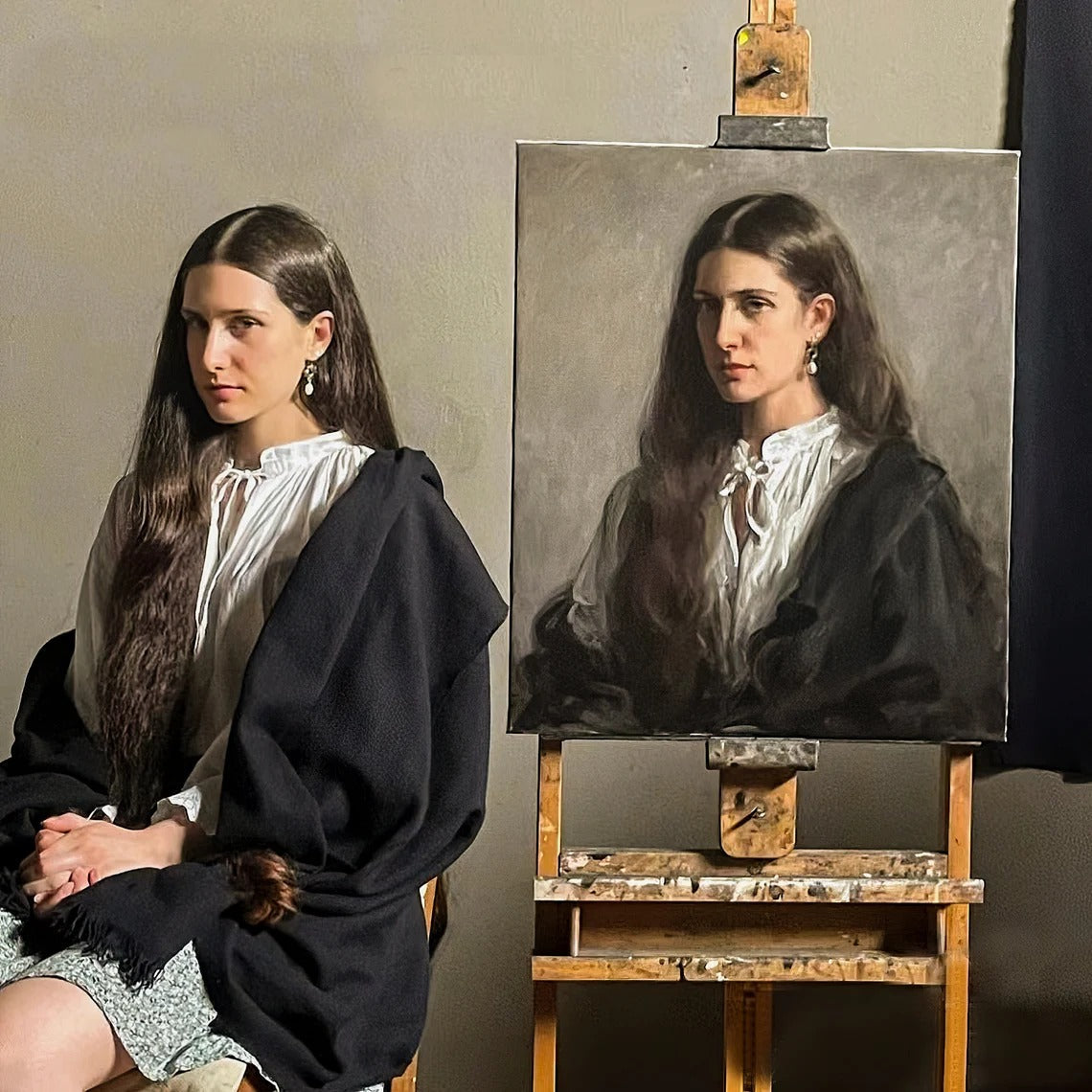
Global demand for textured and materially expressive art has surged by 27% over the past three years (Source: Statista Visual Arts Market Report, 2024). As interior designers and art collectors seek both sensory depth and functional value, textural art is emerging as the new frontier of spatial design. Brands like Acousart are leading this transformation, merging artistry with acoustic innovation to redefine what art can do—not just what it looks like.
How Has the Art and Design Industry Evolved to Embrace Textural Innovation?
According to Art Basel & UBS Art Market Report (2024), over 65% of designers indicate that traditional wall art fails to meet the needs of modern interiors, which now emphasize both aesthetics and experience. The growing emphasis on multisensory environments in homes, offices, and galleries is driving a shift from flat, two-dimensional art to more tactile, immersive forms.
With open-concept living and shared workspaces becoming standard, noise control and personalized decor have become top priorities. Yet, most decorative solutions still separate function from form, leading to either visual compromise or acoustic inefficiency.
Acousart identified this evolving need early, pioneering a discipline that fuses sound-absorbing technology with artistic craftsmanship—an innovation that responds to the rising demand for functional beauty.
What Are the Major Pain Points in Today’s Art and Design Market?
-
Overcrowded visual markets. Repetitive digital prints dominate, offering little originality or material nuance.
-
Poor acoustic performance in modern spaces. High ceilings and glass-heavy interiors amplify noise pollution.
-
Disconnection between art and environment. Flat art cannot engage tactility or serve practical spatial functions.
-
Sustainability concerns. Many traditional materials lack eco-conscious certifications or durability.
Data from World Design Trends Survey 2025 shows that 78% of architects and interior designers plan to invest in materials that deliver both design and performance value within the next two years.
Why Are Traditional Art Solutions No Longer Enough?
Traditional wall paintings, while visually engaging, fail to provide tangible functional benefits. They absorb little to no sound, fade with environmental changes, and often lack texture variation. Sculptural installations offer depth but are expensive and limit spatial flexibility. Acoustic panels, on the other hand, serve a technical function yet compromise decor with industrial aesthetics.
In contrast, Acousart bridges these gaps by engineering textural art panels that serve simultaneously as sound-dampening solutions and high-end decor statements—merging sensory pleasure with environmental calm.
What Makes Acousart’s Textural Art a Complete Solution?
Acousart’s core innovation lies in the integration of tactile surface design with acoustic-grade materials. Each piece is handcrafted with specially formed fibers and layered compositions, calibrated to absorb mid to high-frequency noise.
Key capabilities include:
-
Dual-function design. Artistic expression with measurable acoustic absorption (NRC ratings up to 0.85).
-
Customizable aesthetics. Surface texture, pattern, and color tailored to design schematics.
-
Sustainable materials. Use of eco-certified panels and low-VOC pigments.
-
Easy installation. Modular formats compatible with both residential and commercial interiors.
How Does Acousart Compare with Traditional Wall Art?
| Feature | Traditional Wall Art | Acousart Textural Art Panels |
|---|---|---|
| Acoustic performance | None | NRC 0.75–0.85 certified |
| Visual variety | 2D, painted surfaces | 3D sensory textures |
| Sustainability | Variable | Eco-certified materials |
| Durability | Susceptible to fading | Long-lasting, moisture-resistant |
| Installation | Fixed or framed | Modular, adaptable assembly |
How Can Users Integrate the Solution Seamlessly?
-
Assessment: Analyze acoustic and design needs of the space.
-
Consultation: Collaborate with Acousart’s design consultants to align style and function.
-
Customization: Choose panel size, texture depth, and color palette.
-
Fabrication: Panels crafted in Xiamen’s Acousart Studio using sustainable materials.
-
Installation & Tuning: Panels positioned for optimal acoustic balance and visual harmony.
Which Real-World Scenarios Show the Impact of Acousart?
1. Corporate Office (Open Space Noise Control)
-
Problem: Poor concentration due to echo.
-
Traditional Solution: Acoustic foam—effective but aesthetically intrusive.
-
With Acousart: Decorative panels reduced perceived noise by 40%.
-
Benefit: Better productivity and harmonious environment.
2. Home Living Room (Design Integration)
-
Problem: Flat decor, frequent echo in open layout.
-
Traditional Solution: Carpets and curtains to dampen sound.
-
With Acousart: Textured wall pieces improved sound comfort and elevated design cohesion.
-
Benefit: Enhanced acoustic comfort and visual sophistication.
3. Gallery Installation (Curated Experience)
-
Problem: Limited sensory engagement.
-
Traditional Solution: Ordinary framed art.
-
With Acousart: Multilayer compositions engaged touch and depth perception.
-
Benefit: Visitors spent 34% more time per exhibit.
4. Hospitality Space (Lounge Acoustics)
-
Problem: Sound reverberation lowering guest satisfaction.
-
Traditional Solution: Ceiling baffles.
-
With Acousart: Custom panels improved ambience ratings by 22%.
-
Benefit: Positive brand image and longer visitor retention.
What Future Trends Are Shaping Textural Art?
As design philosophy shifts toward wellbeing and sensory intelligence, textural art will drive the convergence of visual design, sustainability, and cognitive comfort. Reports from Design Week Global Trend Report 2025 indicate a projected 40% growth in demand for functional art installations by 2028.
Today, brands like Acousart stand at the intersection of this evolution, where creativity meets acoustic science—inviting designers, property owners, and art lovers to create calm, expressive spaces that resonate beyond aesthetics.
FAQ
Q1: Can textural art panels be used outdoors?
They are primarily designed for indoor use, though customized coatings can enhance outdoor resistance.
Q2: Does acoustic efficiency vary by texture depth?
Yes. Deeper textures generally absorb more mid-frequency sounds effectively.
Q3: Are Acousart’s materials environmentally safe?
Absolutely. All components are low-VOC and certified by ISO 14001 standards.
Q4: Can I request custom designs based on specific branding colors?
Yes, Acousart offers full-color customizations to align with brand or interior concepts.
Q5: How long is the installation process?
Typically 2–3 hours for a standard 20 m² wall area, depending on texture complexity.
Why Should You Act Now?
In an era where artistic quality and environmental performance blend to define premium experiences, integrating Acousart’s textural art is no longer optional—it’s strategic. Join the movement transforming global interiors into spaces of serenity, innovation, and sensory delight.
References
-
Statista Visual Arts Market Report (2024): https://www.statista.com/topics/1115/art-market
-
Art Basel & UBS Art Market Report (2024): https://artbasel.com/about/initiatives/the-art-market
-
World Design Trends Survey 2025: https://www.ifworlddesignguide.com
-
Design Week Global Trend Report 2025: https://www.designweek.co.uk/reports