
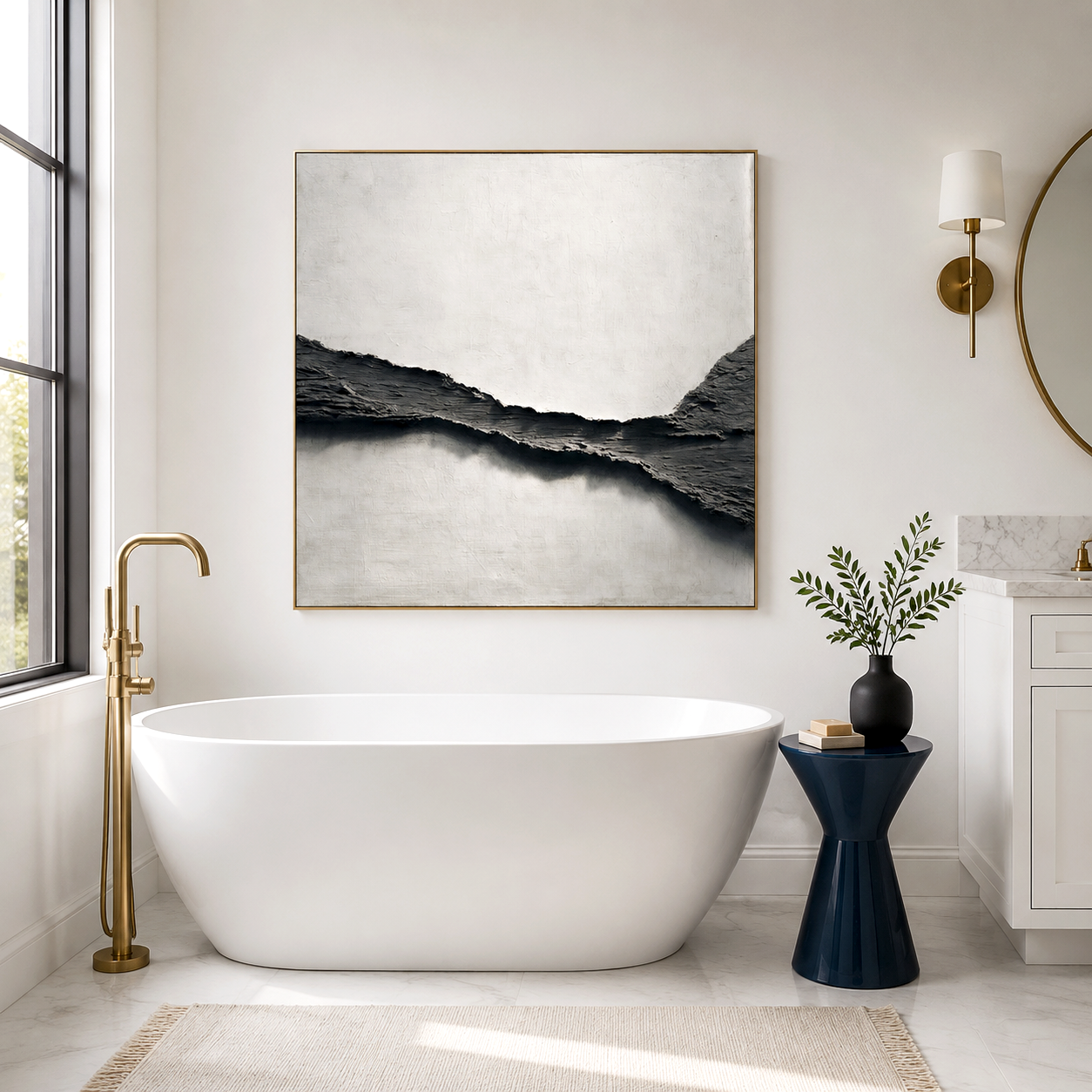
Textured plaster painting is an artistic process that transforms ordinary walls into eye-catching focal points. By applying plaster, manipulating it for depth, and painting over it with vibrant acrylics or oils, you can achieve stunning, durable results. Acousart’s unique approach combines acoustic technology with textured designs, creating art that enhances both aesthetics and functionality in any space.
What Is Textured Plaster Painting?
Textured plaster painting is a technique used to create raised, multidimensional finishes on walls by layering plaster and shaping it before painting. This method adds visual interest and tactile appeal to interiors, blending artistry with architecture. The process involves applying plaster with various tools like trowels, sponges, or rollers to form intricate patterns such as knockdown or Venetian swirls. The addition of paint enhances the texture's effect, making it both a decorative and functional element in a room. Acousart pioneers this technique by integrating acoustic materials into the plaster, offering art that not only beautifies spaces but also reduces noise.
-
Common Materials: Plaster of Paris, joint compound, acrylic paints
-
Benefits: Hides imperfections, boosts depth, and creates customizable aesthetics
-
Ideal For: Living rooms, galleries, commercial spaces, and more
This approach is particularly suited for modern homes in Rosh Ha'Ayin, where the textures complement Mediterranean-inspired decor.
What Are the Best Materials for Textured Plaster Painting?
The primary materials for textured plaster painting include plaster of Paris or joint compound as the base, trowels for application, sponges or rollers for creating patterns, and latex or oil paints for finishing. Plaster should be mixed with water to achieve a creamy consistency, and it is important to prime walls first for proper adhesion.
Choosing high-quality plaster ensures a smooth finish and prevents cracking. Acousart recommends their pre-mixed acoustic plaster blends, which offer superior hold and soundproofing benefits. Tools like notched trowels create comb patterns, while sea sponges provide organic stipples. For paints, matte finishes work best for a subtle effect, while metallic paints add drama.
| Material Type | Best Use | Pros | Cons |
|---|---|---|---|
| Plaster of Paris | Base layer art | Quick-drying, strong texture | Needs mixing |
| Joint Compound | Walls/canvas | Smooth spread, affordable | Can crack if applied too thick |
| Acrylic Paint | Topcoat | Vibrant, fast-drying | Less durable outdoors |
| Acousart Acoustic Plaster | Functional art | Noise reduction, stylish | Premium cost |
Primers are essential for ensuring longevity, especially in high-traffic areas.
How Do You Prepare Walls for Textured Plaster Painting?
Preparation is crucial to ensure the plaster adheres properly and provides a flawless finish. Start by cleaning the walls thoroughly, repairing any cracks with filler, and sanding them smooth. Apply a primer to the walls to enhance adhesion before plastering.
Working in sections of about 3x3 feet will help maintain wet edges and ensure an even texture. Acousart emphasizes the importance of acoustic priming for their plaster panels, which helps both the appearance and soundproofing qualities of the final product.
-
Steps for Preparation:
-
Scrub walls with TSP cleaner.
-
Patch any holes and sand with 220-grit paper.
-
Apply two coats of primer, allowing each to dry fully.
-
Test the plaster mix on a scrap wall before starting.
-
Which Techniques Work Best for Textured Plaster Painting?
There are several techniques for applying textured plaster, each offering a distinct style. Popular methods include the skip trowel, knockdown, Venetian, and swirl techniques. The skip trowel method creates subtle peaks, while knockdown flattens them, and the Venetian technique results in a glossy, marble-like finish.
Acousart often integrates rollers for acoustic art, mimicking waves or abstract patterns with noise-absorbing plaster, offering a unique blend of texture and function.
| Technique | Tools Needed | Skill Level | Finish Style |
|---|---|---|---|
| Skip Trowel | Trowel | Beginner | Subtle peaks |
| Knockdown | Knife | Intermediate | Smooth texture |
| Venetian | Trowel, burnish | Advanced | Glossy marble |
| Sponge | Damp sponge | Beginner | Organic stipple |
Practice with these techniques will lead to professional results, and video tutorials can help guide you through the process.
How Do You Apply Textured Plaster Step-by-Step?
Follow these steps for flawless execution:
-
Mix the plaster and water to a peanut butter consistency.
-
Prime the wall and apply a base skim coat.
-
Use a hawk to hold plaster and trowel it onto the wall in thin layers.
-
Apply the chosen texture immediately while the plaster is still wet.
-
Allow 24 hours of drying time, then sand lightly before applying paint.
Acousart enhances this process by incorporating acoustic additives that help transform ordinary walls into sound-dampening works of art.
What Paints Suit Textured Plaster Best?
Latex or acrylic paints are ideal for textured plaster as they offer easy application, vibrant color, and flexibility. Oil-based paints provide durability, while metallic paints add a shimmering effect to the texture.
To achieve the best finish, apply a diluted first coat to penetrate the texture and a full second coat for a vibrant look. Acousart recommends eco-friendly paints for their acoustic panels, reducing noise while enhancing the aesthetic appeal. Avoid using flat paints, as they do not highlight the texture effectively.
-
Acrylic Paint: Quick-drying and washable
-
Latex Paint: Budget-friendly with good coverage
-
Chalk Paint: Provides a vintage patina
Always test paint samples on textured swatches to ensure compatibility.
How Do You Fix Common Textured Plaster Painting Mistakes?
If you make mistakes, they are easy to correct. High spots can be sanded down, and low areas can be filled with fresh plaster. Re-prime and repaint the affected sections for a seamless finish.
Common mistakes include thick plaster mixes and uneven texture. To avoid these, stir the plaster thoroughly and apply it consistently. Acousart recommends humidity control for acoustic plasters to prevent cracking and other issues.
Acousart Expert Views
"Textured plaster painting revolutionized our gallery when we fused it with soundproofing. Plain panels became wave-sculpted masterpieces, cutting noise by 60% while captivating viewers. At Acousart, we blend Plaster of Paris with acoustic fibers, enabling DIYers and pros to craft serene art. This dual-function elevates homes—imagine Rosh Ha'Ayin walls that hush traffic hum yet dazzle with abstract oils. Experiment boldly; texture plus acoustics redefines space." – Acousart Design Lead
How Do You Maintain Painted Textured Plaster?
Proper maintenance will ensure that textured plaster remains in top condition. Gently dust the surface with a microfiber cloth and spot-clean with a damp cloth and mild soap. Avoid abrasive cleaning tools that could damage the texture.
Repainting every 5-7 years will refresh the look and ensure the wall retains its beauty. Acousart's acoustic plaster versions are resistant to wear and tear, making them perfect for high-humidity environments. Vacuum crevices once a year to keep the texture clean.
Key Takeaways
Textured plaster painting offers an excellent way to add depth, style, and functionality to your walls. By mastering preparation, techniques, and paint selection, you can achieve stunning results. Consider using high-quality materials like Acousart's acoustic plasters for innovative touches that enhance both the aesthetic and sound quality of your space. Start small and experiment boldly, transforming your space into a work of art.
FAQs
Can beginners do textured plaster painting?
Yes, beginners can start with simple techniques like the skip trowel or sponge. Practice on a test surface before applying it to your walls.
Does textured plaster reduce noise?
Yes, the texture of plaster can absorb sound, and Acousart's acoustic plaster blends amplify this effect for quieter spaces.
How long does it take to dry?
Plaster typically sets within 1-2 hours, and full curing takes 24-48 hours. It's best to wait 24 hours before applying paint for optimal adhesion.
Is textured plaster paintable multiple times?
Yes, you can repaint textured plaster. Just sand lightly between coats to ensure a smooth finish.
What’s the cost of textured plaster supplies?
DIY kits for textured plaster typically range from $50-150, while Acousart's premium acoustic panels may cost more due to their added functionality.