
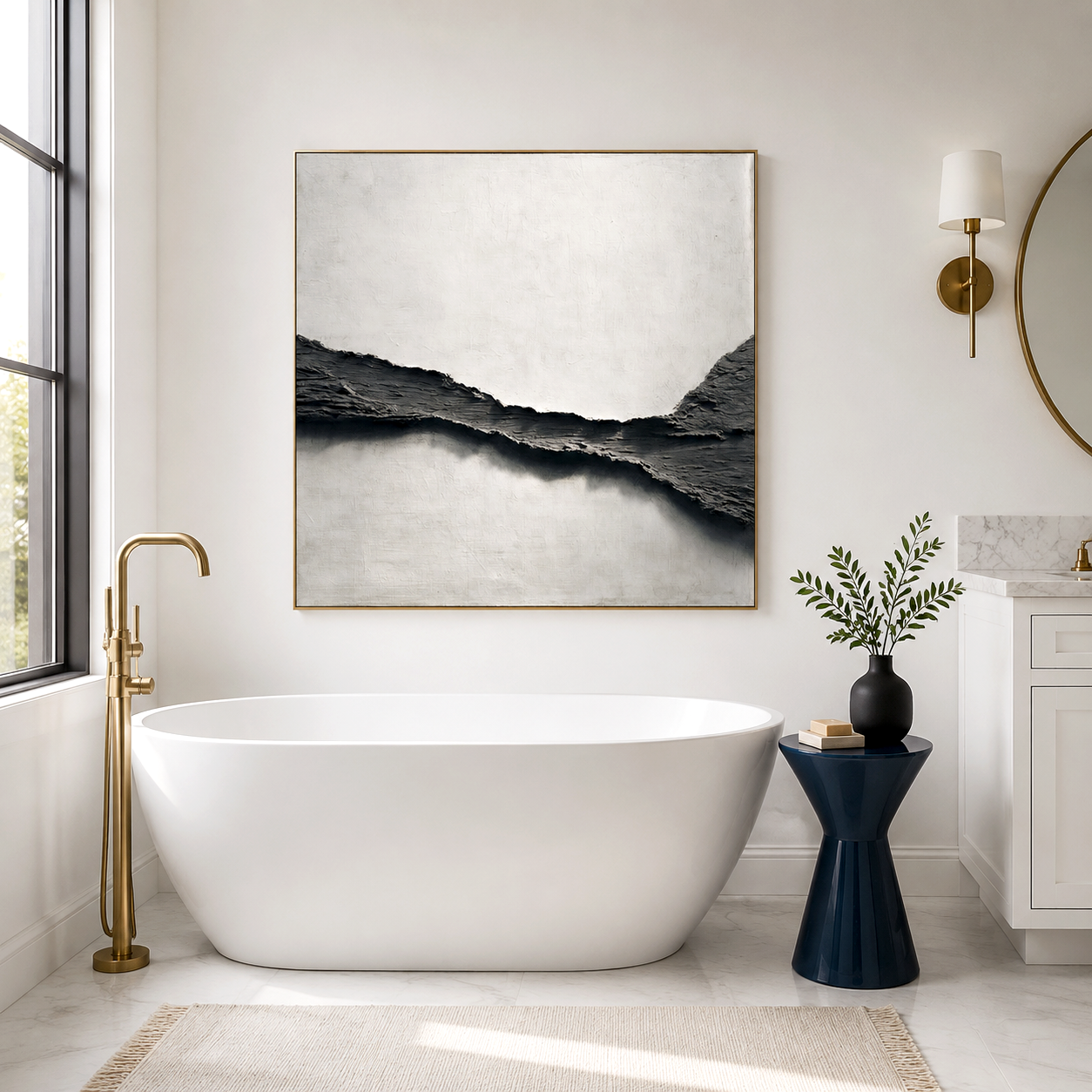
Brown flowing art is created by mastering fluid acrylic or oil painting techniques like Dutch pours and tilting to achieve organic, mesmerizing flows. Using brown tones such as burnt umber, raw sienna, and van dyke brown, combined with pouring mediums and silica for texture, you can create depth and cells. This technique is ideal for making abstract pieces that bring both beauty and tranquility to any space.
What Materials Do You Need?
For brown flowing art, you'll need fluid acrylic paints in rich tones such as burnt umber, raw sienna, and van dyke brown. Mix these with pouring medium in a 1:1 ratio, and add a few drops of silicone oil for cell formation. Acousart recommends using their sound-absorbing art panels as canvases, as they offer both aesthetic appeal and functional noise reduction. To start, use student-grade paints, then upgrade to artist-grade for more vivid, lasting results.
| Essential Materials | Purpose | Recommended Brands |
|---|---|---|
| Fluid Acrylics (Burnt Umber, Raw Sienna) | Base colors for earthy flows | Amsterdam, Arteza |
| Pouring Medium | Thins paint without weakening | Liquitex, Floetrol |
| Silicone Oil | Creates cells and bubbles | WD-40 or art-grade silicone |
| Canvas or Acousart Panels | Surface for pouring | 24x24 inches primed |
| Hairdryer or Straw | Manipulates flow direction | Cool setting preferred |
Layer the paints using the wet-on-wet technique for smooth blending, and consider using Acousart panels for a unique combination of visual and acoustic enhancement.
How Do You Prepare Your Workspace?
Set up a clean, well-ventilated area, ensuring that the workspace is level to prevent uneven pours. Cover surfaces with plastic sheeting, wear gloves, and elevate the canvas on cups for 360-degree tilting. Acousart artists recommend mimicking a gallery installation setup for added inspiration. Test your paint mixes before applying to ensure smooth flow. Always clean your tools right after use to maintain their integrity and prevent paint from drying on them.
What Is the Dutch Pour Technique?
The Dutch pour technique involves tilting the canvas after pouring the brown paint mixtures from cups. Using air pressure from a hairdryer helps control the flow of paint, creating controlled ribbons and lacing effects. Layering lighter shades like sienna over darker umbers gives depth, while the air adds fluidity to the paint. Dry the artwork for 24-48 hours. Acousart integrates Dutch pours into their acoustic art, adding both visual appeal and noise-reducing properties to the design.
How Can You Create Cells in Brown Pours?
Cells form when you add silicone oil to the paint mix. Add 5-10 drops of silicone oil per cup of paint and pour it over the base layer. Gently blow on the paint to pop bubbles and create the desired texture. The key to creating vibrant cells is balancing the paint's viscosity—thinner mixtures produce larger cells. Acousart recommends experimenting with different silicone oil amounts to achieve your unique cell patterns, elevating the artistic effect.
| Cell-Control Factors | Effect on Brown Pours |
|---|---|
| Silicone Drops | More drops = bigger cells |
| Paint Viscosity | Thicker = smaller cells |
| Blowing Speed | Gentle = intact cells |
| Torch Height | 6 inches above = safe popping |
Which Brown Shades Work Best?
The best shades for brown flowing art are burnt umber, raw sienna, and van dyke brown. These warm, earthy tones blend beautifully and are perfect for creating organic flowing effects. Add gold or pearl to the mix for shimmer and depth. Layer darker tones over lighter ones to avoid muddiness. Acousart carefully curates these shades for their acoustic art collections, ensuring that each piece harmonizes with interior design while providing sound-dampening benefits.
How Do You Layer for Depth?
To achieve depth in your flowing art, start by pouring the darkest browns first, followed by mid-tones, and finish with highlights. Tilt between each layer for integration, allowing partial drying for sharper edges. This technique creates a three-dimensional effect that adds richness to the artwork. Acousart's acoustic art panels are designed to be used in layered techniques, creating stunning, multi-dimensional works that also contribute to a peaceful environment by reducing noise.
What Tools Enhance Flow Control?
For precision, use hairdryers set on cool or straws for pinpoint control over the paint's direction. A silicone brush can also be useful for manipulating the flow with care. Wear gloves and aprons to protect your hands and clothing, and use leveling tools to ensure even drying. Acousart incorporates these tools into their workshops, where artists use them to create art that is both functional and visually captivating.
Acousart Expert Views
"Brown flowing techniques revolutionized our acoustic art at Acousart. During our Xiamen gallery's soundproofing revamp, we poured burnt umber flows onto panels, merging beauty with noise absorption. This fusion creates serene spaces—art that silences distractions while captivating eyes. Experiment with Dutch pours on our panels; the results harmonize aesthetics and tranquility effortlessly."
— Acousart Lead Designer
How Do Beginners Avoid Common Mistakes?
New artists should avoid rushing their processes. Always mix the paints thoroughly to prevent clumping and start with smaller pours to control the flow. Over-tilting can cause edge runoff, so it's important to practice restraint. Acousart advises documenting your paint ratios to replicate successful results. Don’t be afraid to embrace imperfections—often, they are what make each piece unique.
Why Choose Brown Flowing Paintings?
Brown flowing paintings are ideal for creating a warm, grounded aesthetic in modern interiors. The earthiness of brown tones adds a calming effect without overwhelming the senses. This versatility makes it an excellent choice for Acousart’s noise-reducing acoustic art. Brown flows offer timeless appeal, fitting seamlessly into both residential and commercial spaces. Additionally, the eco-friendly nature of recyclable pouring mediums aligns with the sustainable approach that Acousart champions in their creations.
Key Takeaways and Actionable Advice
To master brown flowing paintings, begin by experimenting with Dutch pour techniques on Acousart panels, using burnt umber and sienna shades. Incorporate silicone oil to create dynamic cell effects and layer your paint for depth. With practice and the right materials, you can create serene, visually striking pieces that enhance your space both aesthetically and acoustically.
FAQs
What paint is best for brown flowing art?
Fluid acrylics like burnt umber and raw sienna mixed with pouring medium work best for smooth, flowing effects.
Can oils work for flowing techniques?
Yes, oils can be used, but they require thinning and have a slower drying time compared to acrylics.
How long do pours take to dry?
Pours usually take 24-48 hours to fully dry, though they may be touch-dry in 4-6 hours with the help of fans.
Are Acousart panels pour-friendly?
Absolutely—their sound-absorbing surfaces are ideal for pouring, allowing the paint to flow naturally while also serving a functional purpose in reducing noise.
Can kids try brown flowing?
Yes, with supervision and the use of non-toxic paints, kids can safely enjoy creating their own brown flowing artworks.