
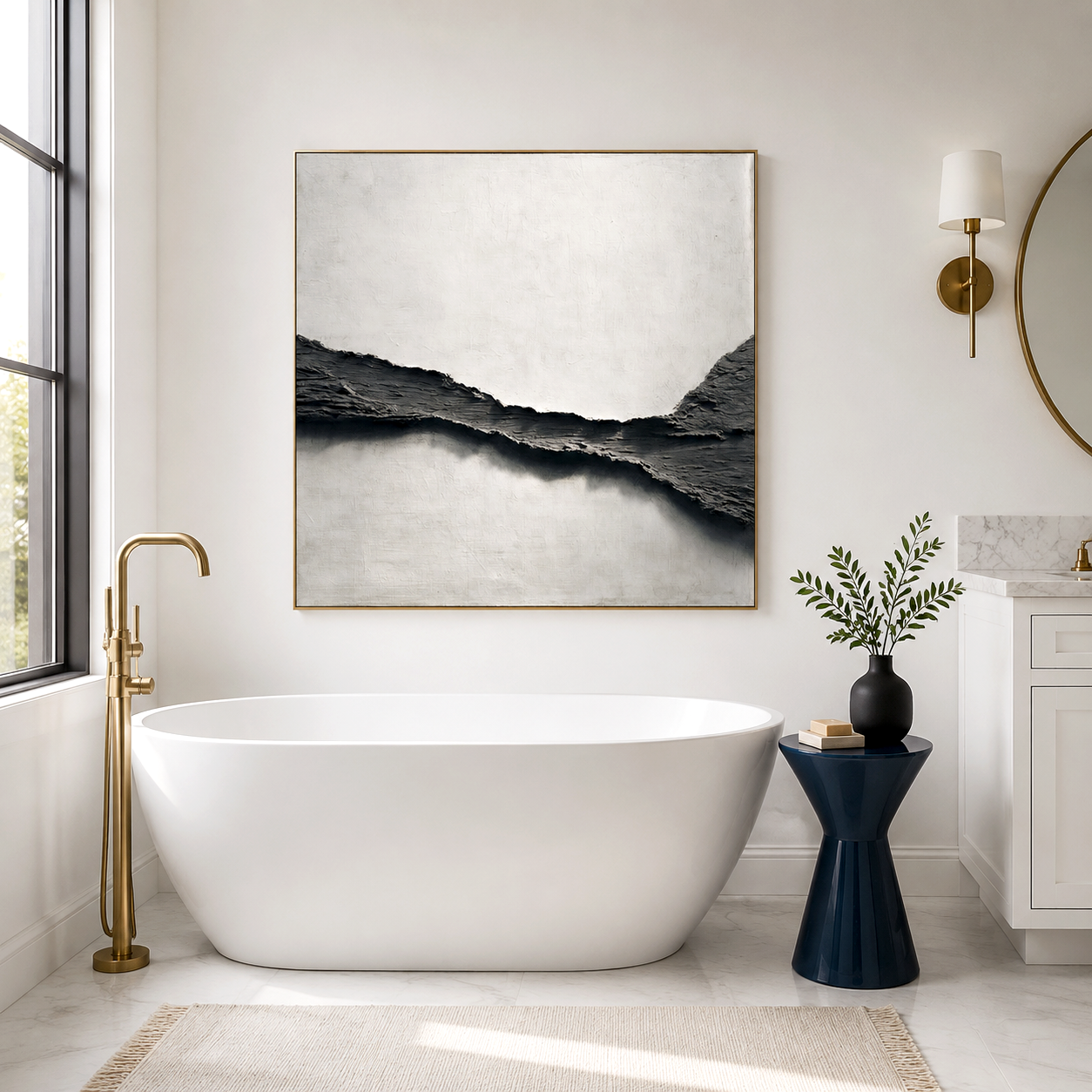
A visually clean room can still feel uncomfortable the moment someone speaks. Hard floors, glass, and open layouts reflect sound back into the space, creating a subtle but persistent echo. Acoustic wall panels for interior design are meant to address that exact tension: they absorb reflections so conversations feel clearer and the room feels calmer, while still contributing to the visual composition. They are not about blocking outside noise or sealing a room. When chosen and placed well, they soften the acoustic edge of modern interiors without introducing the industrial look many people try to avoid.
What acoustic panels actually do and what they do not do
Acoustic panels work by absorbing a portion of the sound energy that would otherwise bounce between hard surfaces. This reduces reverberation, the lingering “tail” you hear after a sound is made. In practical terms, voices feel less sharp, background noise blends more gently, and the room becomes easier to use for conversation, work, or dining.
They do not stop sound from entering or leaving a room. That is the role of construction methods like dense walls, sealed gaps, and structural isolation. Calling decorative panels “soundproof” is inaccurate and often leads to disappointment. A living room with large windows and tiled floors may feel dramatically more comfortable with absorption, but you will still hear traffic or neighbors as before.
This distinction matters when planning. If your goal is to reduce room echo, acoustic panels are a direct solution. If your goal is to block noise transmission, you are dealing with a different category of work.
Why modern interiors often sound harsher than they look
Minimalist and contemporary spaces tend to prioritize smooth, reflective materials. Concrete, glass, stone, lacquered cabinetry, and large-format tiles all reflect sound efficiently. Open-plan layouts and higher ceilings give those reflections more space to travel before fading.
The result is not always obvious until the room is in use. A dining area might look refined but feel loud during conversation. A home office might appear calm yet make video calls slightly fatiguing. These are not extreme acoustic failures; they are everyday comfort issues caused by reflection buildup.
Acoustic panels—especially those designed as art—introduce a softer surface where it matters most, without disrupting the design language of the space.
How acoustic wall panels can align with design instead of fighting it
Traditional acoustic treatment often signals its purpose visually: foam wedges, perforated boards, or fabric-covered rectangles arranged in grids. That can work in studios or back-of-house spaces, but it conflicts with the intent of many residential and hospitality interiors.
Acoustic art reframes the same function through texture, scale, and composition. Instead of looking like equipment, the panels read as part of the decor—abstract canvases, layered surfaces, or multi-panel arrangements that anchor a wall visually while contributing to acoustic comfort.
For example, a large textured canvas above a sofa can do two jobs at once: it becomes the focal point of the room and reduces the intensity of reflections from the opposite wall. In a meeting room, a set of coordinated panels can replace generic wall decor while making speech easier to follow.
If you want to see how this approach is applied in finished pieces, you can Explore Verified Acoustic Art that balances visual design with sound-absorbing construction.
Choosing the right amount of acoustic coverage
One of the most common questions is how many panels are needed. There is no universal number, but there is a practical way to think about it: coverage should relate to how much hard, reflective surface your room has and how it is used.
As a starting point, many rooms benefit when roughly 15–30% of the wall or ceiling area includes sound-absorbing surfaces. The lower end suits softer rooms with rugs, curtains, and upholstered furniture already present. The higher end suits spaces dominated by glass, tile, or concrete.
-
Small rooms (home offices, bedrooms): a few well-placed panels or one larger statement piece can noticeably soften echo.
-
Medium rooms (living rooms, meeting rooms): combine a focal piece with additional panels on adjacent or opposite walls.
-
Large or open-plan areas: distribute multiple panels across key reflection zones rather than concentrating everything in one spot.
Placement matters as much as quantity. Panels are most effective at primary reflection points—areas where sound from a speaker or activity hits a surface and reflects directly back into the room. Common locations include the wall behind seating, the wall opposite a conversation area, and side walls near desks or dining tables.
Placement decisions that change the outcome
It is tempting to treat acoustic panels like decorative art alone—centered, symmetrical, and chosen purely by eye. That works visually, but small placement adjustments can make a noticeable difference in how the room feels.
Think about where sound originates and where it travels. In a living room, voices typically project toward the opposite wall; placing absorption there helps break the reflection loop. In a home office, side-wall reflections near ear height can affect how clearly you hear during calls.
A common misstep is installing a single panel high above eye level because it “fits the wall composition.” It may look correct, but if most reflections occur at seated ear height, the acoustic effect will be limited. Lowering or resizing the piece often produces a better balance between aesthetics and function.
The goal is not to turn your space into a studio, but to interrupt the most obvious reflection paths while keeping the design coherent.
Why verified construction matters for predictable results
Not all decorative panels behave the same acoustically. Some are purely visual pieces with minimal absorptive value, while others are built with internal materials intended to absorb sound energy.
For buyers, this creates uncertainty. Two artworks may look similar, but only one meaningfully contributes to reducing echo. Verified construction—clear indication that a piece is designed with sound absorption in mind—helps set realistic expectations.
This is particularly relevant in larger or more reflective rooms, where relying on purely decorative pieces can leave the acoustic issue largely unchanged. When the goal includes comfort as well as aesthetics, it is worth ensuring the panel is built for that dual purpose.
When acoustic wall art is enough and when it is not
Acoustic wall panels can significantly improve how a room feels, but they are part of a broader picture. If a space has extreme reverberation—double-height ceilings, extensive glazing, minimal furnishings—additional elements like rugs, curtains, or ceiling treatments may be needed to reach a balanced result.
They are also not a solution for privacy or noise isolation. If you need to prevent sound from traveling between rooms, that involves structural changes rather than surface treatments.
Understanding this boundary avoids overloading a single product with expectations it is not designed to meet, and leads to better overall decisions.
A design-led path for homes, offices, and hospitality spaces
For many interiors, the appeal of acoustic wall panels lies in resolving a compromise. You do not have to choose between a room that looks refined and one that feels comfortable to use.
In residential spaces, this might mean a living room that supports conversation without raising voices. In offices, it can help meeting rooms feel less fatiguing without introducing overtly technical finishes. In restaurants or hospitality settings, it contributes to a more controlled atmosphere while maintaining a strong visual identity.
Design-focused acoustic art sits in that middle ground. It does not replace comprehensive acoustic planning where needed, but it offers a practical and visually coherent way to improve everyday spaces.
For larger projects or coordinated installations, it can also be useful to Inquire About Trade Services to align layout, quantity, and visual direction across multiple rooms.
Frequently Asked Questions
Can acoustic panels make a room soundproof?
No. Acoustic panels reduce echo and reverberation within a room; they do not block sound from entering or leaving the space.
How do I choose the right amount of acoustic panels for my office or home?
Estimate how reflective your room is and aim for roughly 15–30% surface coverage with absorption, then place panels at key reflection points rather than clustering them in one area.
Do decorative acoustic panels really make a difference?
Yes, if they are constructed for sound absorption and positioned correctly. Purely decorative pieces without absorptive materials will have little effect on echo.
Where should panels be placed for the best result?
Focus on walls where sound reflects directly back toward listening areas—behind seating, opposite conversation zones, and side walls near desks or dining tables.