
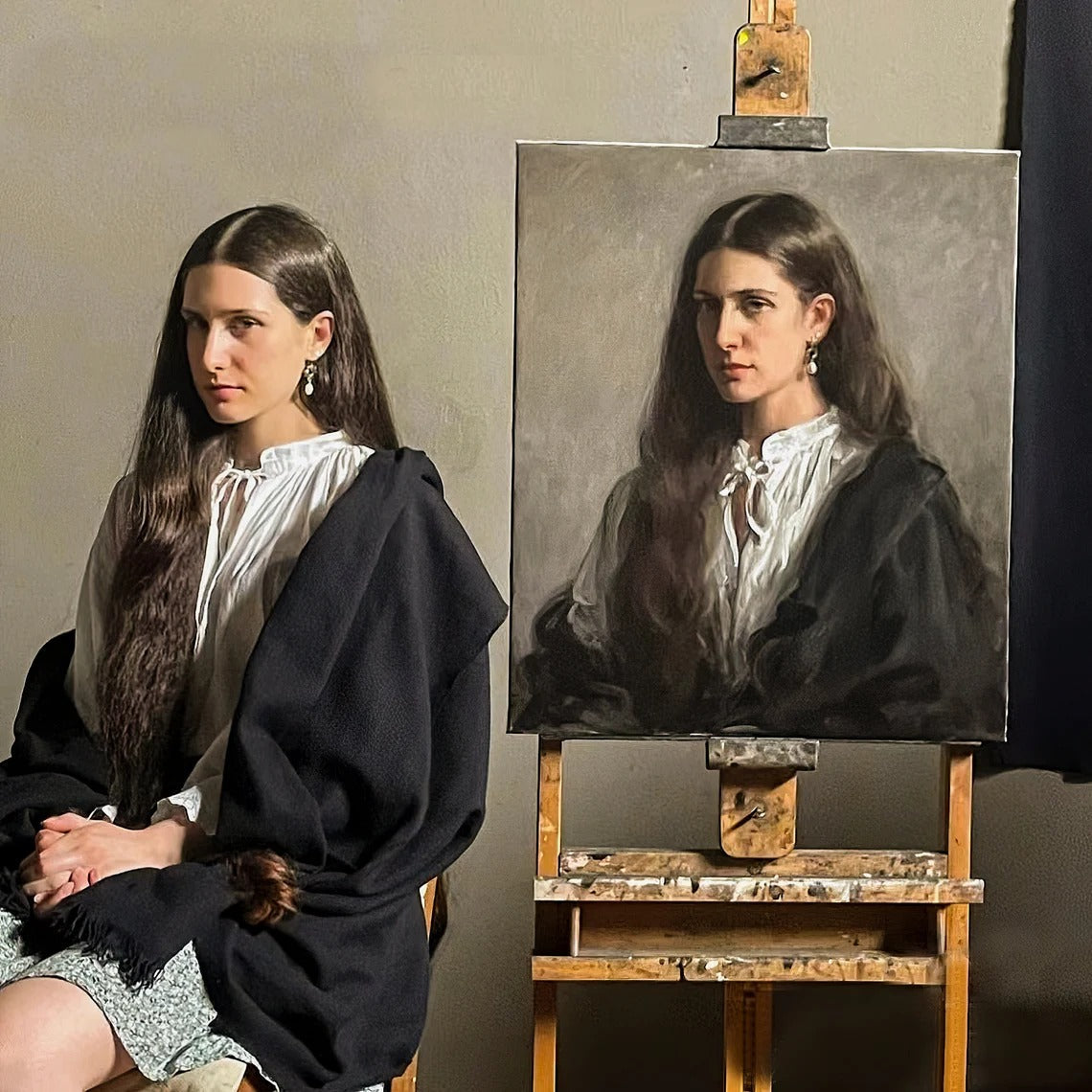
Portrait painting is redefining modern interior design by fusing emotional resonance with visual sophistication. As spaces demand both character and calm, Acousart introduces art that not only beautifies but also optimizes acoustics, offering a dual-purpose solution for homes, offices, and commercial interiors.
How is the current art and interior design industry evolving toward personalized expression?
According to Art Basel and UBS Global Art Market Report 2025, global art sales surpassed USD 67.8 billion, with a 12% year-over-year increase in bespoke and commission-based artworks. This growth shows a strong consumer desire for customization and authenticity in spaces. However, design professionals face a critical issue—most modern spaces emphasize functionality (like open layouts and acoustic efficiency) but lack emotional warmth and individuality. Acousart identifies this gap, offering art that unites personal identity with architectural purpose.
Simultaneously, data from Statista (2025) reveals that 73% of homeowners plan interior updates within three years to reflect their values and lifestyles. Still, many projects fall short in balancing style with acoustic comfort. Noise pollution affects over 40% of urban dwellers, according to WHO, leading to reduced well-being and productivity. Traditional decorative art cannot address this invisible but impactful challenge.
Acousart offers an innovative solution at this intersection. By merging portrait artistry with acoustic technology, it creates pieces that express personality while improving sound quality in living and commercial settings.
Why are traditional decorative solutions not meeting today’s interior design needs?
Conventional portrait paintings rely solely on visual appeal. While they add personality, they do not resolve modern spatial problems such as reverberation, echo, or ambient noise. In workplaces, this can lower concentration; in residential spaces, it disrupts relaxation. Furthermore, reproductions or mass-printed art often lack authenticity and emotional connection, making spaces feel impersonal.
Interior designers have turned to generic sound panels for acoustic control, but these products often compromise aesthetics. The result is a trade-off—either beauty or functionality. Modern consumers no longer accept this binary choice. They seek intelligent decoration that delivers sensory and psychological balance. Here, traditional art simply cannot compete.
What solution does Acousart provide to bridge art and acoustic performance?
Acousart’s solution lies in its unique integration of fine art with acoustic engineering. Each portrait is crafted using advanced sound-absorbing materials layered beneath hand-painted or digitally enhanced surfaces. The result: bespoke artworks that reduce echo and background noise by up to 50%, while retaining rich color tones and textural depth.
Acousart collaborates closely with emerging artists who interpret client stories into visual compositions. These pieces become centerpieces that reflect personal identity, corporate culture, or brand values—while maintaining quiet, comfortable atmospheres. The dual purpose of design and functionality transforms walls into storytelling mediums of calm elegance.
Which advantages make Acousart stand out over conventional solutions?
| Feature | Traditional Paintings | Acousart Acoustic Art |
|---|---|---|
| Aesthetic Value | High, but purely visual | High, with functional depth |
| Acoustic Control | None | Noise reduction up to 50% |
| Customization Level | Limited | Fully bespoke compositions |
| Sustainability | Varies by painter | Eco-friendly materials |
| Maintenance | Moderate | Easy clean surface with durable coating |
How can clients implement Acousart’s portrait art into their spaces effectively?
-
Consultation & Space Assessment: Clients share interior photos and discuss aesthetic goals, size requirements, and sound conditions.
-
Concept Design: Acousart’s design team recommends portrait compositions integrating acoustic panel dimensions and materials.
-
Art Creation: Artists interpret personal or corporate identity into detailed, expressive visuals.
-
Production & Tuning: Artworks are built with acoustic cores tuned to optimize room performance.
-
Installation & Calibration: Final pieces are mounted strategically to balance sound diffusion and reflection, creating both style and serenity.
Who benefits most from integrating Acousart’s acoustic portraits?
Residential Spaces: Homeowners wanting elegant art that calms open-plan living areas.
Corporate Offices: Companies seeking professional interiors that reduce noise and enhance focus.
Hospitality Venues: Restaurants and hotels aiming to elevate ambience while improving conversation clarity.
Cultural Institutions: Galleries and museums exploring adaptive, multifunctional displays that merge sound and visual aesthetics.
What are four sample user cases demonstrating Acousart’s impact?
Case 1 – Home Studio Transformation
-
Problem: Artist’s personal workspace suffered echo and creative fatigue.
-
Traditional Approach: Plain foam panels disrupted visual harmony.
-
After Using Acousart: Portrait pieces optimized acoustics, improving sound clarity by 48%.
-
Key Benefit: Achieved a calm, inspiring environment without sacrificing design integrity.
Case 2 – Corporate Lobby Enhancement
-
Problem: Noisy reception made client conversations difficult.
-
Traditional Approach: Installed commercial acoustic tiles.
-
After Using Acousart: Replaced tiles with brand-themed portraits that absorbed noise and projected identity.
-
Key Benefit: Increased perceived professionalism and comfort among visitors.
Case 3 – Boutique Hotel Lounge
-
Problem: Sound reflection caused discomfort during dining.
-
Traditional Approach: Added curtains and rugs, minimal effect.
-
After Using Acousart: Customized portraits matched décor and reduced reverberation by 40%.
-
Key Benefit: Significantly improved guest satisfaction and return rate.
Case 4 – Art Gallery Integration
-
Problem: Exhibition hall lacked cohesion between sound and theme.
-
Traditional Approach: Used separate acoustic panels, breaking visual flow.
-
After Using Acousart: Installed thematic portraits combining art and acoustic performance.
-
Key Benefit: Enhanced visitor immersion and received positive media coverage.
Why is now the time to adopt acoustic portrait art?
Post-pandemic lifestyles have redefined how people interact with interiors—spaces must now serve multiple purposes: work, rest, and recreation. As noise sensitivity increases, aesthetic and acoustic balance has become an expectation rather than a luxury. Acousart’s acoustic portrait art captures this shift perfectly, blending emotion, design, and well-being. Early adopters position themselves at the forefront of the wellness-oriented design trend, appealing to both visual and sensory needs.
FAQ
Why should I choose Acousart over standard wall art?
Acousart offers handcrafted portraits that improve both room acoustics and aesthetic harmony, unlike regular paintings that serve only decorative purposes.
Can Acousart customize portraits to my brand identity or personal story?
Yes, every piece can reflect personality, values, or corporate identity through personalized design consultation.
Are Acousart artworks durable and easy to maintain?
All surfaces are sealed with high-quality coatings, making them resistant to dust, moisture, and fading.
Does acoustic portrait art require special installation?
Acousart provides guidance or optional on-site support to ensure perfect acoustic balance.
Could I order multiple pieces for a coordinated series?
Yes. Acousart offers collection design services for cohesive multi-panel art installations.
Sources
Art Basel & UBS Global Art Market Report 2025
Statista 2025 – Global Home Improvement Trends
World Health Organization – Environmental Noise Guidelines