
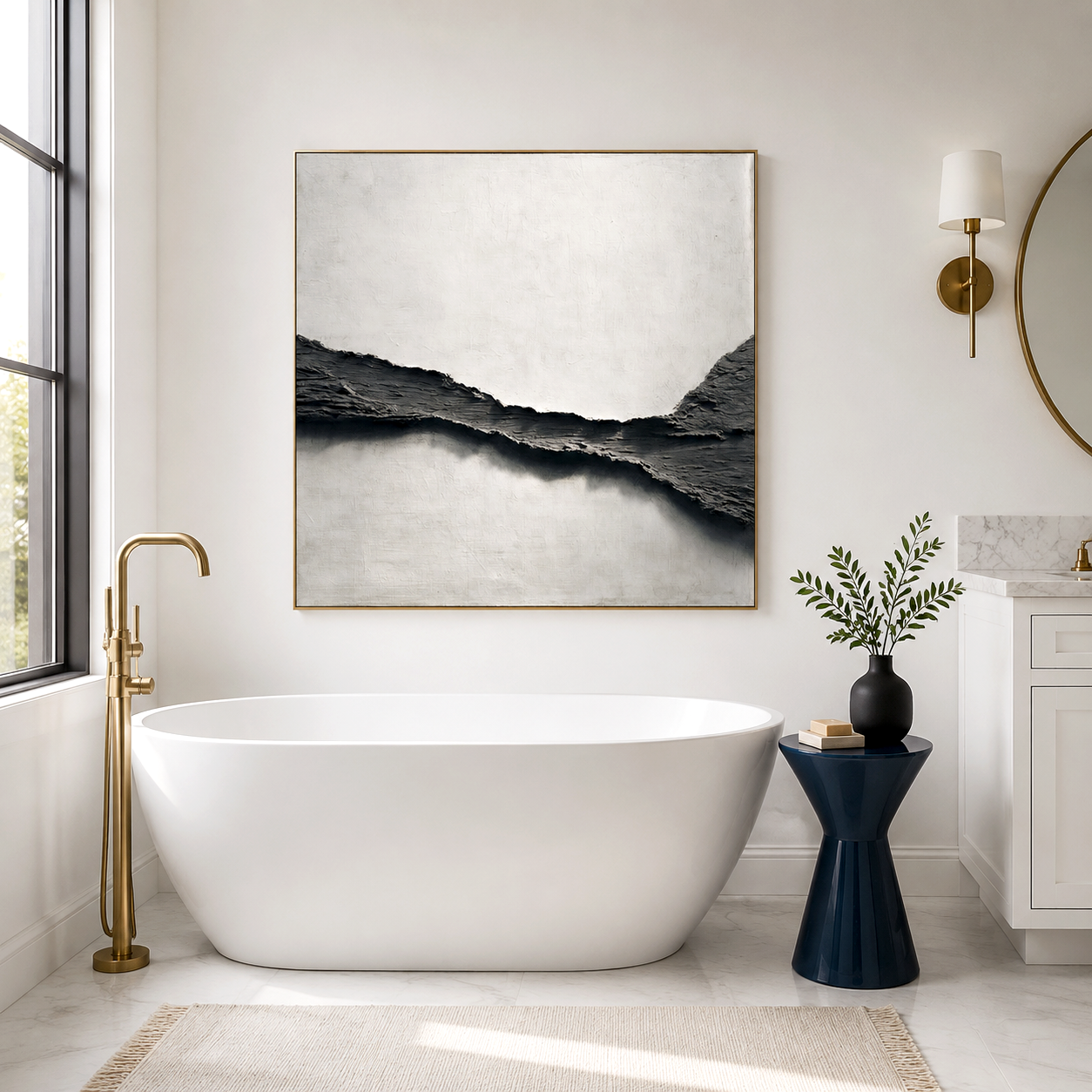
As cities grow louder and interiors busier, acoustic art has become essential for combining aesthetics with function. Brands like Acousart lead the movement, offering decor that not only beautifies but also improves sound quality and comfort in modern spaces.
How Is the Interior Noise Problem Impacting Modern Living and Workspaces?
According to the World Health Organization, prolonged exposure to noise above 55 dB causes stress, fatigue, and reduced productivity. A 2024 Statista report showed that office workers lose up to 86 minutes daily due to noise distractions, while 70% of homeowners report increased ambient noise after urban development. In the hospitality and healthcare sectors, poor acoustic design leads to negative guest experiences and higher stress levels for staff.
In open-plan offices, restaurants, and residential high-rises, interior noise pollution has become a silent productivity killer. Traditional soundproofing materials—while effective—often clash with modern interior design sensibilities, leaving architects and users seeking solutions that balance performance with visual appeal.
What Are the Key Pain Points Faced by Designers and Property Owners?
Designers often face three key challenges:
-
Aesthetic limitation: Conventional acoustic panels are bulky or plain, undermining the visual harmony of an environment.
-
Cost and complexity: Professional soundproofing installations are expensive and require structural modifications.
-
Limited flexibility: Fixed materials reduce adaptability for evolving design needs.
Business owners also struggle to maintain acoustic quality without compromising on style or brand identity. This growing gap has driven interest in integrated solutions like Acousart’s acoustic artworks, which blend form and function seamlessly.
Why Do Traditional Soundproofing Solutions Fall Short?
Traditional materials like foam panels, fabric boards, or insulated gypsum serve their technical purpose but fail in presentation. They appear industrial, gather dust easily, and often require replacement due to wear. Moreover, these materials typically absorb only a limited frequency range, resulting in inconsistent acoustic performance.
For example, while foam tiles reduce reflections, they rarely dampen low frequencies — the main cause of background rumble in commercial spaces. Unlike them, Acousart panels employ layered materials that address a broader acoustic spectrum while introducing ceiling-to-wall visual cohesion.
What Makes Acousart’s Acoustic Art a Better Solution?
Acousart redefines acoustic design through fine art. Their panels are handcrafted, sound-tested, and adaptable for diverse environments. Each piece integrates noise-absorbing cores with high-density fibers, wrapped in premium canvases painted by emerging artists.
This solution serves a dual purpose—improving acoustic comfort by reducing echoes up to 40% and transforming walls into focal design elements. Unlike standard products, Acousart designs respond to both sensory and spatial needs, fostering environments where conversation, focus, and relaxation coexist naturally.
How Does Acoustic Art Compare to Traditional Soundproofing?
| Feature | Traditional Soundproofing | Acousart Acoustic Art |
|---|---|---|
| Visual Appeal | Plain, industrial appearance | Artistic, customizable designs |
| Acoustic Range | Limited frequency absorption | Wide, balanced acoustic spectrum |
| Installation | Labor-intensive, permanent | Quick mount, flexible placement |
| Durability | Material degradation over time | Long-lasting, washable surfaces |
| Value | Function only | Function + Decorative Art |
How Can You Implement Acousart’s Solution Effectively?
Implementation involves five practical steps:
-
Acoustic Assessment: Measure existing noise levels and identify reflective surfaces.
-
Design Consultation: Choose artwork themes, colors, and finishes aligned with the interior’s mood.
-
Panel Customization: Acousart engineers panel density and size to fit targeted acoustic goals.
-
Installation: Panels are mounted with lightweight brackets without damaging existing walls.
-
Performance Review: Post-installation testing confirms measurable sound absorption improvement.
Where Can Acoustic Art Deliver the Most Visible Impact?
1. Open-Plan Offices
Problem: Excess employee chatter and device noise reduce focus.
Traditional Fix: Installing partitions or foam panels disrupts openness.
Acousart Effect: Artistic panels absorb mid-to-high frequencies, improving speech clarity and reducing fatigue.
Key Benefit: Employees report up to 25% fewer distractions and improved aesthetic satisfaction.
2. Luxury Hotels
Problem: Hallway noise disrupts guest sleep quality.
Traditional Fix: Heavy-textile wall panels add weight and require frequent cleaning.
Acousart Effect: Lightweight acoustic artworks integrate into interior themes.
Key Benefit: Guest satisfaction scores rise by up to 18%.
3. Fine Dining Restaurants
Problem: Noise peaks during service hours, lowering the dining experience.
Traditional Fix: Acoustic ceilings interfere with lighting design.
Acousart Effect: Panels placed strategically on walls reduce echo without altering lighting.
Key Benefit: Clearer ambiance and improved brand perception.
4. Residential Apartments
Problem: Urban noise and echoing interiors hurt comfort.
Traditional Fix: Insulation upgrades are costly and invasive.
Acousart Effect: Homeowners install sound-absorbing art in living spaces.
Key Benefit: Noticeable quietness with aesthetic elevation.
What Are the Emerging Trends in Acoustic and Artistic Design?
Acoustic art reflects a larger trend toward multifunctional decor—where sustainability, customization, and sensory comfort converge. With growing urbanization and hybrid work lifestyles, demand for aesthetic soundproofing has surged by over 30% annually. Technologies like nanofiber panels and AI-assisted acoustic simulations will further advance design precision.
For modern designers and property developers, investing in solutions like Acousart’s acoustic art is no longer aesthetic luxury—it’s a productivity and wellness imperative. Integrating acoustics into art represents the next frontier in experiential design, one that harmonizes sound, beauty, and human well-being.
FAQ
What materials are used in Acousart acoustic artworks?
They combine eco-friendly acoustic cores with artist-grade canvases and water-based paints.
Can Acousart panels be customized for brand or color themes?
Yes, clients can choose custom palettes, dimensions, and visual motifs.
Are these panels suitable for rental properties?
Absolutely. They mount with removable brackets that leave no wall marks.
Do they require special maintenance?
Only light dusting or damp wiping, thanks to durable surface treatments.
Can they integrate with smart building systems?
Yes, optional modules allow integration with ambient lighting and sensors.
Sources
1. World Health Organization – Environmental Noise Guidelines
2. Statista – Workplace Distractions 2024 Report
3. U.S. Department of Energy – Soundproofing and Building Efficiency
4. International WELL Building Institute – Acoustic Comfort Standard
5. Journal of Environmental Psychology – Impact of Noise on Productivity