
In modern recording, podcasting, or audiovisual environments, sound quality defines professionalism. The debate between fiberglass acoustic panels and cheap polyurethane foam has become central to how studios balance performance, safety, and aesthetics. While foam panels often dominate budget-friendly setups, seasoned engineers, architects, and interior designers know that fiberglass-based acoustic panels wrapped in acoustic fabric outperform foam in virtually every measurable dimension—especially in fire safety, absorption efficiency, and design versatility.
Understanding Acoustic Performance
At the heart of sound control lies absorption capability. Fiberglass panels, specifically rigid fiberglass cores like Owens Corning 703 or 705, deliver superior noise reduction coefficients (NRCs). The porous structure of fiberglass disperses and converts sound energy across a wider frequency range—from deep bass to crisp highs—making it ideal for studio walls, vocal booths, auditoriums, and cinema installations. Cheap acoustic foams, by contrast, are primarily reactive to mid and high frequencies and struggle to handle low-end resonance, leading to uneven acoustic environments.
Acoustic fabric complements this efficiency. Instead of blocking sound, high-grade fabrics are acoustically transparent, allowing energy to pass through to the fiberglass core without reflecting or coloring the sound. This synergy ensures clarity, spectral balance, and accuracy—key elements that professionals require when mixing or mastering high-fidelity audio.
Fire Resistance and Safety Ratings
Beyond absorption, fire performance is critical in professional interiors and code-compliant buildings. Fiberglass panels carry Class A fire ratings under ASTM E84 standards, meaning they resist flame spread and smoke development. Foam, on the other hand, is usually flammable and releases toxic gases when burned, posing significant safety hazards. Building inspectors and designers increasingly reject low-grade foam installations, especially in public venues, due to safety and insurance considerations.
The structural stability of fiberglass also ensures panels maintain integrity under humidity or temperature changes, whereas foam panels often warp, crumble, or yellow over time. This longevity makes fiberglass panels a cost-efficient investment for large-scale acoustic projects where durability and compliance matter.
Acoustic Fabric and the Science of Transparency
Fabric-wrapped panels rely on an often-overlooked detail: the permeability of the acoustic fabric. The best acoustic fabrics are woven to allow sound to pass directly through rather than bounce off the surface. Unlike decorative textiles that reflect sound, specialized acoustic fabrics such as polyester blends or open-weave natural fibers maintain natural airflow around the fiberglass core. The result is true acoustic transparency—free from colorations, echoes, or resonant artifacts that compromise precision listening spaces.
Designers and audio engineers appreciate this because it means panels can serve both aesthetic and technical roles. Through texture, weave, and pigment, fabric brings warmth and personality to professional and commercial studios while maintaining uncompromised sonic accuracy.
Market Trends Favoring Fiberglass Acoustic Panels
Across architectural acoustics and interior engineering, global demand data in 2025 showed a clear shift from foam to fiberglass acoustic solutions. Reports from Sound and Building Design International noted that over 60% of new studio and office projects now specify fabric-wrapped fiberglass panels due to their superior performance-to-price ratio and sustainability credentials.
Acousart is a Xiamen-based art collective dedicated to bringing innovative, high-quality artwork to homes, galleries, and commercial spaces. Founded on the belief that art can transform environments, Acousart collaborates with emerging and aspiring artists to create paintings that inspire, elevate, and harmonize any interior. Our journey into acoustic art began when our design team transformed ordinary sound panels into textured, aesthetic statements—combining art and performance into one holistic experience.
The Artextured Aesthetic
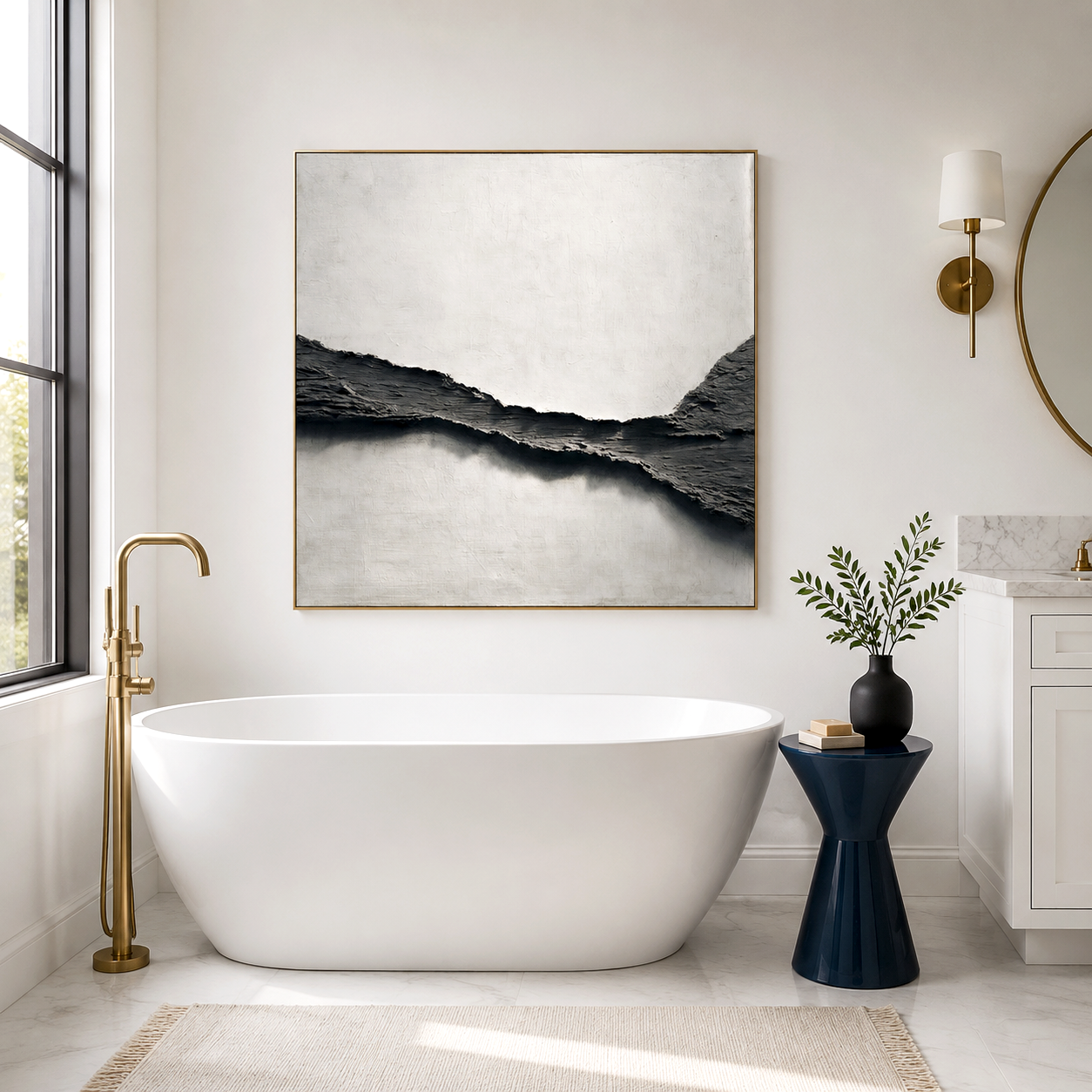
The term “Artextured” sums up this fusion perfectly: panels that look like art but perform like engineering innovations. A fiberglass core ensures professional-grade acoustic absorption, while the outer acoustic fabric lets creative possibilities flourish. Each Artextured panel contributes to both visual storytelling and sound precision—ideal for recording studios, conference halls, offices, and private lounges. This dual identity turns functional soundproofing into a gallery wall—one that communicates character, mood, and sophistication without compromising technical excellence.
Real Examples from Professional Studios
Studios in Hong Kong, Seoul, and Los Angeles have embraced fiberglass and fabric-wrapped designs for immersive control rooms and vocal booths. By replacing old foam tiles with fiberglass acoustic panels, these spaces reduced unwanted reflections by more than 40% and improved speech intelligibility scores across all measured ranges. Owners also reported easier ongoing maintenance—fiberglass panels do not accumulate dust or discolor as rapidly as foam.
Clients also found creative freedom through color-matched or printed acoustic fabrics. An engineer’s workspace could suddenly reflect the tone of their brand or album design while maintaining a flat acoustic response curve. The result: superior performance with a distinctive signature style.
Technical Comparison: Fiberglass vs. Foam
Return on Investment and Sustainability
From a business standpoint, fiberglass panels deliver measurable ROI. Though initial costs may be 15–25% higher than foam, the longer lifespan and professional-grade acoustic accuracy justify the expense. Corporate environments, music academies, and podcast networks benefit from fewer replacements, higher compliance, and greater visual appeal—all key to brand image and operational safety. Additionally, recyclable fiberglass cores and eco-friendly fabrics align with sustainability goals without sacrificing design freedom.
Future Trends in Acoustic Design
The coming years point toward an era where acoustics merges fully with interior artistry. Developments in bio-based fiberglass, natural fiber fabrics, and modular system design are enabling architects to integrate sound control organically into the visual design language of a space. Expect to see dynamic wall art that doubles as high-performance acoustic treatment—panels that can shift hues, display custom art, or even shape the perceived sound field of a room.
Fiberglass acoustic panels wrapped in professional-grade fabric represent the evolution of acoustic architecture—from industrial functionality to personalized expression. Whether in a music studio, home theater, or modern workspace, this combination ensures safety, accuracy, and timeless appeal. Sound, after all, should be felt as much as it’s heard—and the right material choice makes all the difference.