
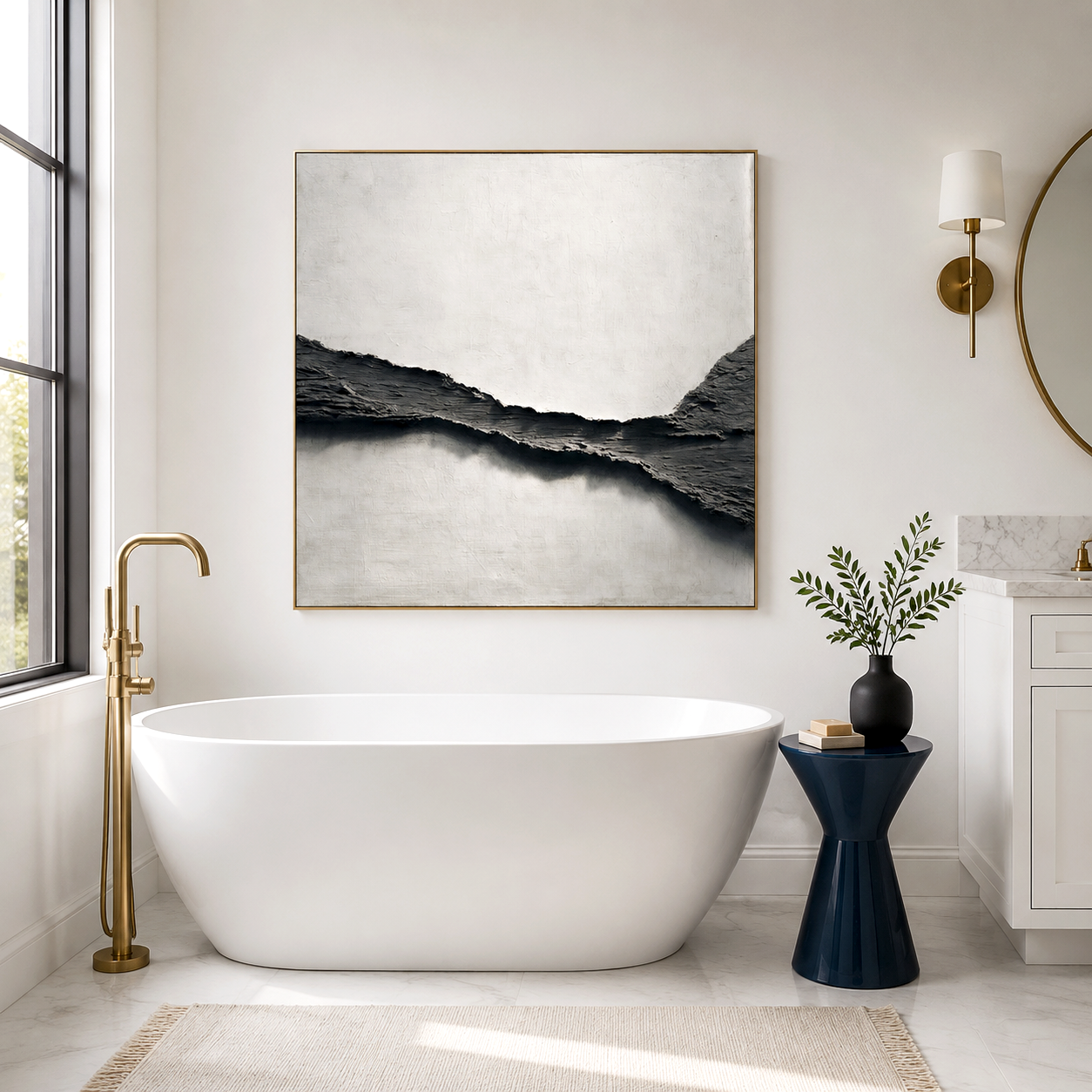
Custom portraits AI disclosure buyer trust is no longer a niche concern. When someone commissions a portrait from a photo, they are not only buying an image of a person or pet; they are buying a promise about craft, authorship, and what kind of work was actually made on their behalf. If that promise feels vague, trust drops fast. If the process is clear, buyers are much more willing to value the result, even when the artwork is made through a studio workflow with reference photos, revisions, and human interpretation. That is especially true for hand-painted oil portraits, where brushwork, texture, and visible artist touch are part of the appeal.
What buyers are really evaluating
Most people do not ask about tools because they want a technical explanation. They ask because they want to know whether the final portrait matches the story being sold. A customer may be comfortable with reference photos, retouching, or digital prep, but feel misled if a work presented as hand-painted was mostly generated or machine-assisted without disclosure.
That is why buyer trust in custom art is less about whether a studio uses modern tools and more about whether the studio describes the process honestly. When the medium, labor, and level of human involvement are clear, the buyer can judge the piece on the right terms.
Why transparency changes the relationship
Clear custom portrait commission transparency does two things at once. It reduces doubt before purchase and reduces disappointment after delivery. If a client knows they are ordering a handmade oil painting from photo, they can evaluate it as a crafted portrait with natural variation, not as a pixel-perfect reproduction.
That matters because custom art is personal. Buyers are often commissioning family portraits, memorial pieces, wedding gifts, or pet portraits. In those moments, the trust problem is not abstract. It is emotional. The more open a studio is about how it works, the less the buyer has to wonder whether the piece was described honestly.
The fastest way to lose confidence in custom art is to blur the line between artistic assistance and actual hand-painted work.
Hand painted and digital are not the same promise
AI vs hand painted portraits should not be framed as a style preference only. They are different experiences. A hand-painted oil portrait carries visible brush texture, layered pigment, and small variations that come from human decisions made during the painting process. A digital or AI-assisted image may be visually polished, but it does not offer the same physical evidence of paint, surface depth, or hand execution.
That distinction is important because buyers often connect craftsmanship with value. They may happily commission a portrait that uses digital tools for setup or communication, but they still expect the final artwork to be genuinely painted if that is how it is marketed. The safest rule is simple: describe what the piece is, what parts are assisted, and what parts are handcrafted.
Best practices for studios and commissioners
A trustworthy custom portrait process is usually straightforward. The studio should explain what the customer uploads, what happens next, whether the artist works from a photo reference, how revisions are handled, and what kind of medium the final piece uses. If digital tools are involved anywhere in the workflow, that should be stated in plain language rather than hidden behind vague phrasing.
For buyers, the most useful questions are practical ones: is the final piece physically painted, what is the artist responsible for, and what level of variation should be expected in a handmade work? For studios, the answer should never rely on hype. It should rely on clarity.
What makes a hand painted oil portrait feel credible
A genuine hand-painted oil portrait is usually convincing because of what it does not hide. The surface should show brushwork and layering rather than the flat perfection of a print. Edges, color transitions, and textures may vary slightly, and that is part of the point. Human execution is not a flaw to be corrected; it is the source of the piece’s character.
If a studio is offering custom paintings from photos, the strongest trust signal is consistency between the promise and the result. Acousart’s custom oil painting from photo service fits that expectation when the buyer wants a portrait that is presented as a handmade artwork, not a digital shortcut disguised as one. That kind of positioning gives customers something more durable than novelty: a clear understanding of what they are ordering.
Where transparency becomes the deciding factor
Transparency matters most when the buyer cannot easily inspect the process in person. Online commissions depend on language, photos, previews, and service pages to carry the entire trust burden. If those materials are precise, buyers can feel comfortable ordering from a distance. If they are muddy, even a beautiful final portrait may be received with skepticism.
This is where many studios lose credibility unnecessarily. They assume buyers only care about the finished image, but in custom art the process is part of the product. Honest communication about tools, materials, and craftsmanship is not a burden. It is often the reason a client comes back for a second commission.
A better way to buy custom portraits
The most reliable approach is to treat the commission like a collaboration, not a mystery. Ask what is painted by hand, what reference materials are used, and what kind of finish to expect. If the studio gives direct answers, that is a good sign. If it avoids the question, the buyer is usually better off looking elsewhere.
For readers comparing options, it can also help to browse the broader product collections and then narrow into the custom portrait path only if the style, format, and process feel right. The right choice is rarely the most complicated one. It is the one where the work, the medium, and the disclosure all line up.
Frequently Asked Questions
Why is transparency important when commissioning custom portraits? Clear disclosure builds trust by ensuring buyers know exactly what kind of craftsmanship, medium, and artistic effort go into their custom piece.
How can you tell if a custom portrait is genuinely hand-painted? Genuine hand-painted oil portraits feature physical brush texture, layered oil mediums, and subtle variations unique to human artistic execution.