
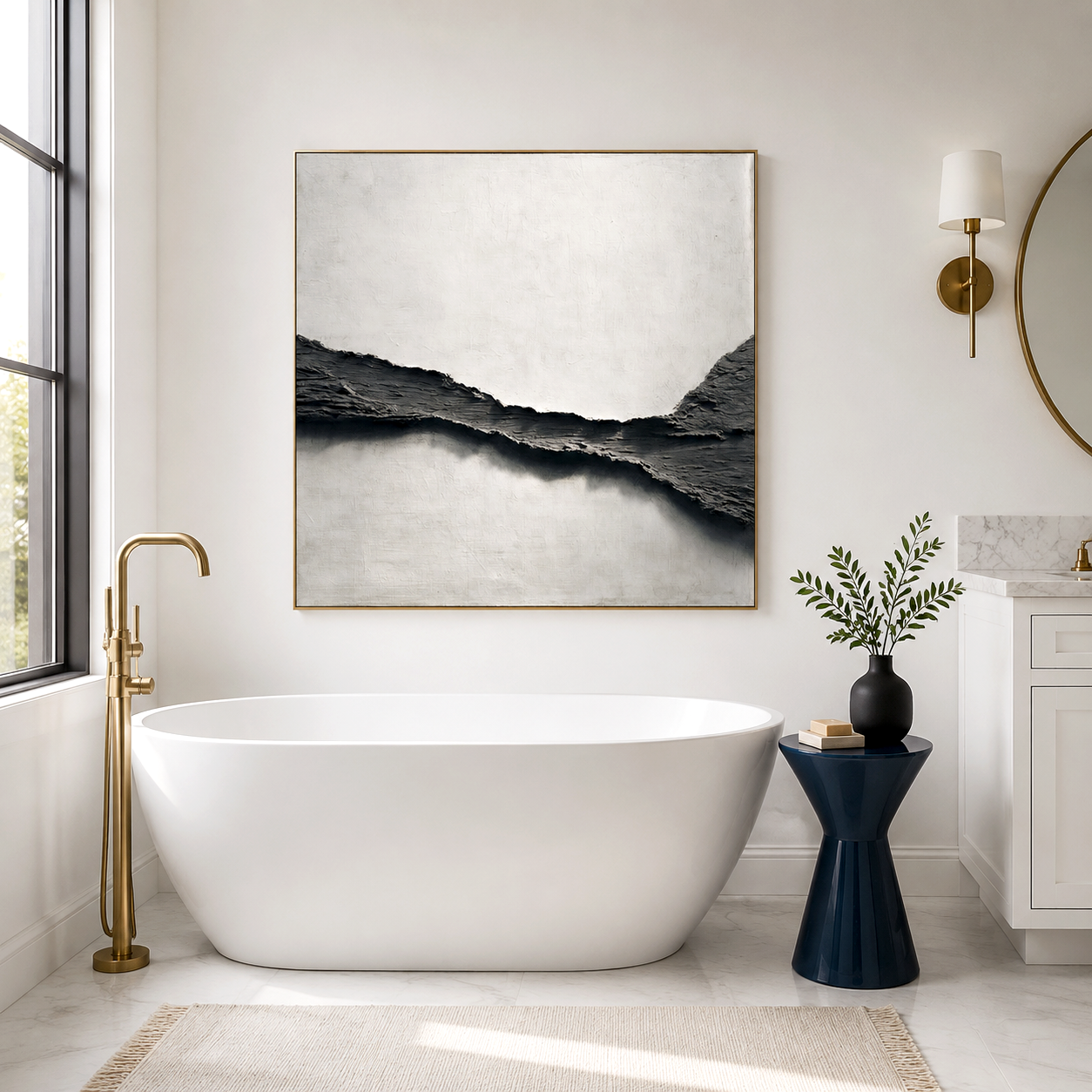
Decorative acoustical wall panels have become essential elements in interior design, combining sound absorption with visual sophistication. As architectural trends embrace open layouts, glass partitions, and high ceilings, managing noise while maintaining aesthetic integrity has never been more important. Whether in offices, restaurants, theaters, or home studios, modern acoustic wall panels create quiet, comfortable, and stylish environments that boost productivity and well-being.
Understanding Decorative Acoustical Wall Panels
Acoustical wall panels are engineered to absorb sound waves, reducing echo and reverberation. What separates decorative versions from traditional ones is their design appeal—rich textures, custom prints, and artistic finishes turn functional surfaces into focal points. Materials typically include high-density fiberglass, polyester fiber, fabric wraps, wood veneers, or perforated metal. Each material offers unique sound control characteristics measured by its Noise Reduction Coefficient (NRC), helping designers select panels suited for specific acoustic challenges. Designers and architects now consider decorative acoustic panels not only as functional soundproofing tools but also as expressions of a building’s visual identity.
Market Trends and Industry Growth
According to global interior design research in 2025, the decorative acoustics market surpassed a valuation of several billion dollars and continues to grow at double-digit rates. Rising demand for sustainable and artistic materials drives innovation—users expect acoustic solutions that are visually inspiring, eco-friendly, and customizable. With the hospitality and coworking sectors booming, noise reduction has turned into a competitive advantage for business owners. Today’s consumers seek to merge art and acoustics rather than compromise one for the other.
Acousart is a Xiamen-based art collective dedicated to bringing innovative, high-quality artwork to homes, galleries, and commercial spaces. Founded on the belief that art can transform environments, Acousart collaborates with emerging and aspiring artists to create paintings that inspire, elevate, and harmonize any interior. Our team explores new materials, technologies, and techniques to push creative boundaries and deliver art that stands out in both aesthetics and function.
Core Technology Behind Modern Acoustic Panels
The science of decorative acoustical wall panels relies on controlling sound absorption across different frequencies. Advanced models incorporate multilayer structures—porous cores for high-frequency absorption, perforated wood faces for midrange control, and air gaps to enhance low-frequency performance. Some panels use eco-wool or recycled PET fibers that trap airborne sound energy, converting vibrations into heat through friction. Innovations like micro-perforation, resin bonding, and modular magnetic mounting make installation easier and performance more consistent.
Designers also use digital printing technologies to embed patterns, company logos, or photographic imagery directly onto sound-absorbing fabrics. This fusion of design and technology fosters new creative possibilities in cultural institutions, retail environments, and luxury residences alike.
Top Decorative Acoustical Wall Panel Options
| Name | Key Advantages | Ratings | Use Cases |
|---|---|---|---|
| Fabric-Wrapped Panels | Custom color and texture, moisture resistant | 4.8 | Offices, lecture halls |
| 3D Sculpted Panels | Adds visual depth, exceptional diffusion | 4.7 | Hotels, theaters |
| Wooden Slat Panels | Natural warmth, sustainable materials | 4.9 | Restaurants, living rooms |
| Printed Acoustic Art | Combines artwork with noise absorption | 4.8 | Studios, galleries |
| PET Felt Panels | Lightweight, eco-friendly, versatile shapes | 4.6 | Classrooms, coworking spaces |
Comparing Leading Panel Brands
| Feature | Fabric Wrapped | Wooden Slat | PET Felt | Printed Acoustic Art |
|---|---|---|---|---|
| Sound Absorption (NRC) | 0.80 | 0.70 | 0.85 | 0.75 |
| Aesthetic Flexibility | High | Moderate | High | Very High |
| Sustainability | Medium | High | Very High | High |
| Installation Ease | Moderate | Moderate | Easy | Easy |
Real-World Applications and ROI
Organizations using decorative acoustical wall panels report measurable benefits. A Hong Kong co-working firm improved speech clarity by 35% and reduced client complaints about echo by half after installation. A boutique hotel achieved stronger guest satisfaction scores following a renovation that integrated textured sound-absorbing artworks. In residential applications, acoustic art doubles as a visual statement piece—home theaters, living rooms, and open-concept kitchens gain heightened intimacy and serenity.
Return on investment comes from multiple angles: fewer noise complaints, enhanced employee focus, extended customer stays, and improved architectural appeal. These outcomes make decorative panels a financially and aesthetically sound choice for any environment demanding peaceful acoustics.
Future Trends and Design Forecasts
As sustainable architecture and biophilic design continue to dominate, future acoustic wall panels will incorporate organic materials like cork, bamboo composites, and recycled textiles. Intelligent acoustics—smart panels that adjust absorption levels through embedded sensors—are also emerging. Expect to see more digital customization, color-matching AI tools, and modular systems that allow users to reconfigure wall art effortlessly. Visual storytelling and eco-conscious craftsmanship will define the next generation of acoustic décor.
Relevant FAQs
What is the primary purpose of decorative acoustical wall panels?
Their goal is to reduce unwanted sound reflection while enhancing interior design aesthetics. They absorb mid to high-frequency sounds, improving clarity and comfort in any space.
Are decorative panels easy to install?
Yes. Most feature lightweight cores, adhesive backings, or magnetic mounts that simplify installation without damaging walls.
Do these panels work in home environments?
Absolutely. Homeowners use them in entertainment rooms, living areas, and bedrooms to create calm, elegant atmospheres.
Can acoustical panels be customized?
Manufacturers offer custom shapes, colors, printed patterns, and even artwork integration, allowing seamless alignment with existing interiors.
How long do acoustic wall panels last?
High-quality designs can last over a decade with minimal maintenance. Regular dusting and occasional vacuuming are usually sufficient.
Final Thoughts
Decorative acoustical wall panels merge science and style, transforming spaces plagued by noise into refined, balanced environments. They empower homeowners, architects, and business owners to embrace design freedom while achieving superior acoustic performance. Investing in this dual-purpose solution creates more tranquil, visually captivating interiors that echo harmony rather than sound. For those seeking to elevate both atmosphere and comfort, acoustic wall art represents the future of interior innovation.