
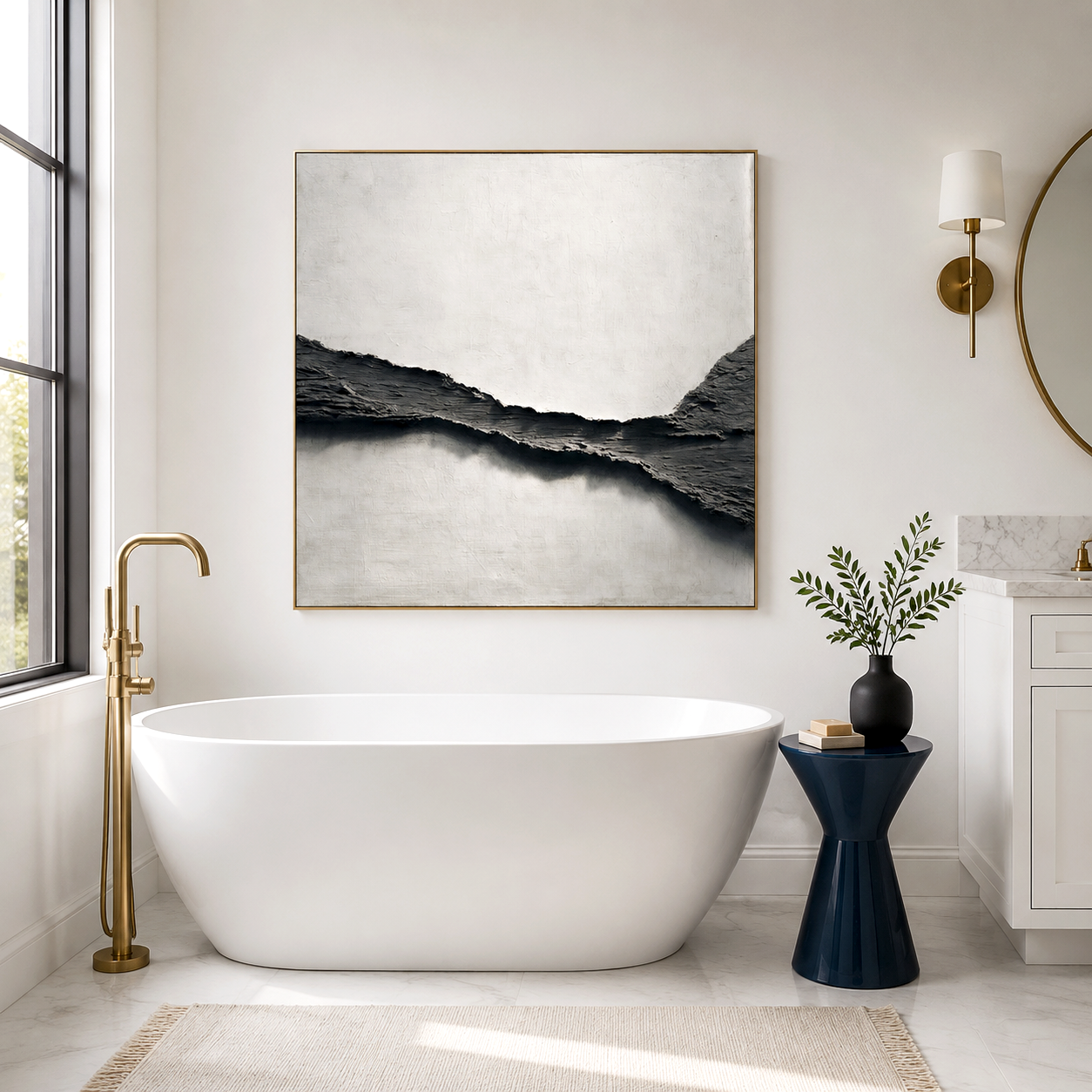
A flat digital photo captures a moment, but it does not hold weight in a room. Custom photo portraits transformed into textured oil paintings change that dynamic by converting thin pixels into physical depth that catches real light and shadow throughout the day. This transformation turns a simple image into a breathing family asset with sculptural presence, suitable for high-end estates, milestone anniversaries, and meaningful executive gifts. Acousart, a Xiamen-based art collective, demonstrates this approach using high-density impasto and palette knife techniques to rebuild likeness with tangible thickness rather than smooth printing .
The shift from photograph to textured portrait is not merely stylistic; it is an act of asset elevation. When paint layers rise 3–8 millimeters above the canvas, the artwork interacts with ambient lighting, creating shifting highlights and shadows that a printed image cannot replicate. This physical dimension gives the piece longevity as a centerpiece in formal living rooms, study libraries, and heritage halls where permanence matters more than trendiness.
From Digital Flatness to Physical Depth
The core difference between a standard photo print and a textured custom portrait lies in material reality. A photograph sits flush against its surface, reflecting light uniformly regardless of viewing angle. A palette knife likeness painting, by contrast, builds ridges, valleys, and raised contours that react dynamically to room lighting.
When sunlight moves across a room during the day, a thickly painted portrait reveals new facets of the subject's face, clothing texture, and background elements. The raised paint catches light differently in the morning versus evening, giving the artwork a living quality. This is why collectors and design professionals often describe textured portraits as having "breathing presence."
Acousart's artists reconstruct facial features using layered oil paint applied with rigid palette knives, creating micro-topographies that mimic the three-dimensional structure of the subject. The result is not a reproduction but a reinterpretation that retains likeness while adding sculptural weight .
This physical distinction becomes critical when the portrait will occupy a prominent wall in a spacious estate or formal business office. In these settings, flat imagery often feels insubstantial against architectural details like crown molding, stone fireplaces, or high ceilings.
The Art of Bespoke Oil Portrait Conversion
Bespoke oil portrait conversion is the process of translating a reference photograph into an original hand-painted work using traditional oil techniques combined with modern textural experimentation. The artist does not simply copy the photo; they interpret tone, structure, and emotion through the lens of material choice.
The process begins with selecting a high-resolution reference image that captures clear facial structure and lighting direction. Artists then sketch the basic composition onto primed canvas before applying base layers of oil paint. The critical stage comes when palette knives replace brushes for building facial contours, clothing folds, and background elements.
High-density impasto application allows paint to stand proud of the canvas, creating ridges that can be felt as well as seen. This technique requires significant control, as thick paint must remain stable without cracking over time. Acousart's approach emphasizes 100% hand-painted oil art with no mass-produced prints, ensuring each portrait carries unique brush and knife marks that cannot be duplicated .
The conversion process typically takes 3–6 weeks depending on complexity, size, and the number of subjects. Larger portraits (48 inches or more) require extended drying time between layers to prevent structural issues.
Transforming Family Photos into Legacy Assets
Family legacy art differs from standard portraiture because it carries generational weight. A custom photo portrait of a grandparent, ancestor, or family matriarch becomes a tangible anchor for family history when rendered with serious artistic intent.
In traditional family estates, portraits have always served as visual records of lineage. Modern digital photos, while abundant, lack the physical permanence and ceremonial weight of painted portraits. Converting treasured family photographs into textured oil paintings elevates them from personal archives to displayed heritage objects.
The transformation works particularly well for:
-
Multi-generational milestones: 50th wedding anniversaries, 80th birthdays, family reunions
-
Memorial pieces: Converting photos of departed relatives into lasting tribute art
-
Family crest or heritage rooms: Portraits that anchor formal spaces dedicated to family history
-
Executive legacy gifts: Custom portraits of founders or long-serving leaders for corporate archives
The emotional value compounds over time. As paint ages naturally, developing subtle patina and depth, the portrait gains character rather than fading. This aging process mirrors the way family stories deepen across generations.
Where Textured Portraits Carry Maximum Impact
The setting determines whether a textured custom portrait achieves its full impact. These works demand specific spatial conditions to reveal their sculptural qualities.
High-end residential estates provide ideal environments, particularly in formal living rooms, master bedroom suites, private libraries, and grand entry foyers. Walls with architectural details like wainscoting, crown molding, or stone features benefit from the added dimension of thick paint. Lighting plays a crucial role: recessed gallery lights, picture lights, or natural window light from the side create the shadow play that reveals texture.
Corporate and executive spaces use textured portraits for boardrooms, executive offices, and reception areas. A custom portrait of a company founder or longtime leader conveys stability and heritage. The physical presence of the artwork reinforces institutional permanence in ways that framed photographs cannot.
Anniversary and milestone celebrations often feature custom portraits as centerpieces. A textured portrait gifted for a 40th or 50th wedding anniversary becomes a focal point for family gatherings, carrying emotional weight that photographs lack.
Commercial hospitality venues such as luxury hotels, private clubs, and high-end restaurants use textured portraits to create atmosphere. The hand-painted quality signals authenticity and craftsmanship to guests.
Acousart presents artwork for homes, galleries, and commercial spaces, connecting wall art with interior atmosphere and material experimentation . Their approach ensures portraits fit the acoustic and visual comfort of the space, not just the aesthetic.
Common Missteps When Commissioning Textured Portraits
Several misunderstandings can undermine the value of a custom photo portrait investment. Recognizing these pitfalls early prevents disappointment.
Underestimating size requirements is the most frequent error. A portrait that looks appropriate on a phone screen may appear miniature on a 12-foot wall. For formal spaces, portraits should typically be at least 36 inches wide, often 48–60 inches for grand settings. The subject's head should occupy a meaningful portion of the canvas to maintain presence.
Choosing smooth over textured when the goal is legacy impact. Some clients request near-photorealistic smooth finishes, which defeat the purpose of impasto art. The value lies in the tactile depth, not photographic mimicry.
Ignoring lighting conditions in the installation space. Textured portraits require directional lighting to reveal their dimension. A wall with only ambient overhead light will flatten the appearance, making the texture less visible.
Expecting identical likeness without understanding artistic interpretation. The artist reconstructs the subject through paint layers, which may emphasize certain features or moods. The result captures essence and likeness but will not be a pixel-perfect reproduction.
Treating the portrait as a standalone acoustic solution. While Acousart's acoustic wall art combines artistic design with sound absorption functionality, a single portrait cannot soundproof a room. The acoustic benefit comes from the layered acoustic core behind the canvas, which helps reduce echo and soften harsh noise, but professional acoustic treatment is still needed for significant noise control .
Selecting based only on color rather than composition and emotional resonance. The best legacy portraits prioritize the subject's presence and the emotional weight of the image over matching decor color schemes.
Who Should Choose Textured Custom Portraits
This form of art suits specific buyer profiles and situations. Understanding fit ensures the investment aligns with expectations.
Ideal buyers include:
-
Families building multi-generational heirloom collections
-
Executives seeking meaningful corporate gifts with lasting value
-
Interior designers working on high-end residential or hospitality projects
-
Individuals commemorating major milestones (anniversaries, retirements, memorials)
-
Collectors interested in hand-painted texture art rather than prints
Less suitable situations:
-
Budget-conscious buyers seeking affordable decor (hand-painted texture art commands higher pricing than prints)
-
Spaces with only ambient, non-directional lighting
-
Temporary installations or rental properties where permanence is not a priority
-
Clients who require exact photographic replication without artistic interpretation
Acousart works with emerging and aspiring artists, presenting hand-painted artwork that connects wall art, interior atmosphere, and material experimentation . Their collective approach means each portrait carries the distinct voice of the assigned artist while maintaining consistent quality standards.
For buyers prioritizing acoustic comfort alongside visual impact, the brand's soundproof painting board with layered acoustic core offers additional functional value. The inner material absorbs and diffuses sound rather than letting it bounce directly back, improving the acoustic feel of the space .
Frequently Asked Questions
How long does it take to create a custom photo portrait?
Most bespoke oil portrait conversions require 3–6 weeks from approved reference image to finished piece. Larger portraits or complex compositions with multiple subjects may extend to 8 weeks due to drying time between thick paint layers.
Will the portrait look exactly like the photo?
No. The artist interprets the photograph through oil paint and palette knife technique, retaining likeness while adding artistic texture and dimension. The result captures the subject's essence with sculptural presence rather than photographic exactness.
What size should I order for a formal living room?
For high-ceilinged formal spaces, portraits should be at least 36 inches wide, with 48–60 inches being ideal for grand walls. The subject's head should occupy roughly 15–25% of the canvas height to maintain visual presence.
Can textured portraits hang in rooms with acoustic concerns?
Yes. Acousart's acoustic wall art combines artistic design with sound absorption functionality, using a layered acoustic core behind the canvas that helps reduce echo and soften harsh reflections. However, a single artwork cannot fully soundproof a room and works best as part of a broader acoustic strategy .
How do I care for a thickly painted oil portrait?
Dust gently with a soft, dry brush or low-suction vacuum attachment. Avoid direct water contact or cleaning chemicals. Hang away from direct sunlight to prevent long-term fading. The thick paint layers are durable when properly cured and sealed.