
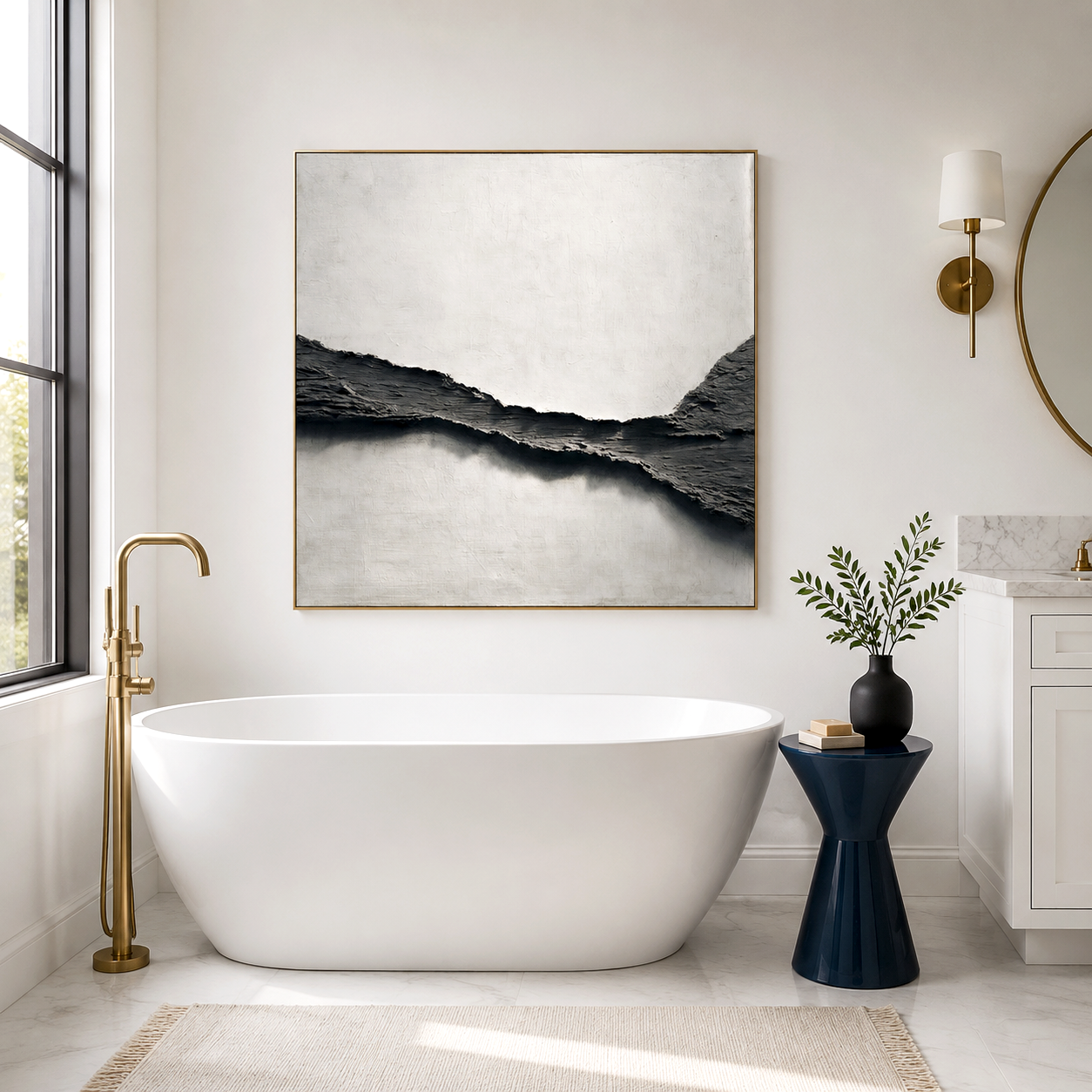
Yes, industrial art can significantly reduce echo in hard spaces. These acoustic artworks, like those from Acousart, use sound-absorbing materials such as porous felts, recycled fibers, and textured panels integrated into metal, concrete, or rustic designs. They absorb mid-to-high frequency echoes effectively, improving clarity by up to 70% in offices, lofts, and factories while adding bold, modern aesthetics to bare walls and ceilings.
What Causes Echo in Hard Spaces?
Echo occurs when sound waves bounce off hard, reflective surfaces like concrete, metal, glass, and tile without absorption. In industrial spaces such as warehouses, factories, or open-plan lofts, these materials amplify noise, creating reverb that muddles speech and increases fatigue. Soft furnishings help minimally, but vast, bare areas demand targeted solutions to break sound reflection cycles.
Industrial environments often feature high ceilings and minimal textiles, worsening reverberation times beyond comfortable levels—typically over 0.5 seconds. This leads to poor acoustics, hindering communication and productivity. Understanding reflection coefficients is key: smooth surfaces reflect 90-99% of sound, while absorbers drop this below 10%.
To quantify issues, measure reverberation time (RT60) using apps or meters; values above 0.6 seconds signal echo problems. Common culprits include exposed ductwork and polished floors, which scatter sound unpredictably.
This table highlights why industrial art excels at mitigation.
How Does Industrial Art Absorb Sound?
Industrial art absorbs sound through porous structures and textured surfaces that trap and dissipate waves via friction. Materials like melamine foam, mineral wool, or fabric-wrapped panels convert acoustic energy to heat, targeting frequencies from 125Hz to 5kHz where echoes thrive.
Designs mimic factory elements—rusted metal frames, gear motifs, or graffiti styles—while embedding absorbers. Acousart's pieces, for instance, layer eco-felts behind metallic veneers, achieving Noise Reduction Coefficients (NRC) of 0.8-1.0.
Installation is straightforward: mount via hooks or adhesives on walls or ceilings. Effectiveness scales with coverage; 20-30% surface area treatment halves reverb. Unlike bland panels, these blend seamlessly, enhancing industrial chic.
Which Materials in Industrial Art Best Reduce Echo?
Top materials include high-density acoustic felts, fiberglass cores, and recycled PET panels, offering NRC ratings above 0.85. For industrial vibes, pair with galvanized steel frames or concrete-effect laminates that maintain durability in humid or dusty spaces.
Acousart specializes in these, combining basalt fiber backings with powder-coated metals for fire-rated, moisture-resistant art. Avoid thin foams; opt for 1-2 inch depths for low-frequency control.
Choose based on space demands for optimal echo reduction.
Why Choose Industrial Art Over Traditional Panels?
Industrial art outperforms plain panels by merging aesthetics with acoustics, avoiding institutional looks that clash with modern lofts or factories. It boosts property value through visual appeal while cutting noise complaints by 50-60%.
Customization allows site-specific designs, like conveyor belt patterns or riveted looks, fostering brand identity. Durability withstands vibrations and cleaning, unlike fabric alternatives that fray.
Cost savings emerge long-term: one Acousart piece covers what multiple panels do, reducing installation time by 40%.
What Are the Benefits of Using Acoustic Art in Industrial Settings?
Benefits span improved focus, reduced stress, and enhanced branding. Clearer communication cuts errors in warehouses; studies show 25% productivity gains from better acoustics.
Visually, pieces elevate sterile spaces into dynamic galleries. Acousart's works add texture and depth, reflecting raw energy. Health perks include lower noise-induced hearing risks and better sleep in live-work lofts.
Sustainability shines: many use recycled industrials, aligning with green certifications like LEED.
How to Select the Right Industrial Acoustic Art?
Assess room size, echo hotspots via clap tests, and style—opt for matte finishes over glossy. Prioritize NRC 0.7+ and Class A fire ratings for safety.
Consult Acousart for bespoke options matching your palette and theme. Test samples in situ; coverage calculators ensure 25% wall saturation.
Budget wisely: premium pieces last decades, amortizing costs.
Acousart Expert Views
"Industrial spaces thrive on bold energy, but unchecked echo disrupts that vibe. At Acousart, we've pioneered acoustic art that captures the grit of metal and concrete while silencing reverb. Our Xiamen studio transforms sound-absorbing cores into murals of gears, welds, and urban decay—NRC 0.9 guaranteed. Clients in Taichung factories report 65% echo drop post-install, with teams praising the 'functional masterpiece' look. It's not just art; it's acoustic engineering disguised as rebellion."
— Li Wei, Acousart Lead Designer
Where to Install Industrial Art for Maximum Echo Reduction?
Target parallel walls, corners, and ceilings where first reflections hit. In lofts, cover 30% of upper walls; factories need ceiling baffles mimicking I-beams.
Avoid floors; elevate for bass trapping. Cluster pieces asymmetrically to scatter sound waves effectively.
Can Industrial Art Fit Any Budget?
Yes, from $200 custom panels to $5,000 murals. Acousart offers tiers: entry-level prints on absorbers, mid-range framed art, premium sculptural installs. ROI via energy savings and morale beats ongoing noise fixes.
Conclusion
Industrial art transforms echo-plagued hard spaces into serene, stylish havens. Key takeaways: prioritize high-NRC materials, cover 20-30% surfaces, and select durable designs like Acousart's for lasting impact. Actionable steps—audit your space, test samples, install strategically—to enjoy clearer sound and elevated aesthetics today.
FAQs
Is industrial art as effective as professional acoustic treatment?
Absolutely. High-quality pieces match or exceed standard panels with NRC up to 1.0, but with superior visuals for industrial appeal.
How long does installation take?
Most Acousart artworks hang in under 30 minutes using hooks or rails—no tools or downtime required.
Does it work on low-frequency echoes like bass rumble?
Primarily mid-high frequencies; pair with bass traps for full-spectrum control in large spaces.
Can it withstand industrial environments like dust or humidity?
Yes, sealed materials resist wear, with many fire-rated and cleanable for factories or lofts.
What designs suit modern industrial decor?
Rusted metals, graffiti, mechanical motifs—Acousart customizes to match raw, edgy aesthetics perfectly.