
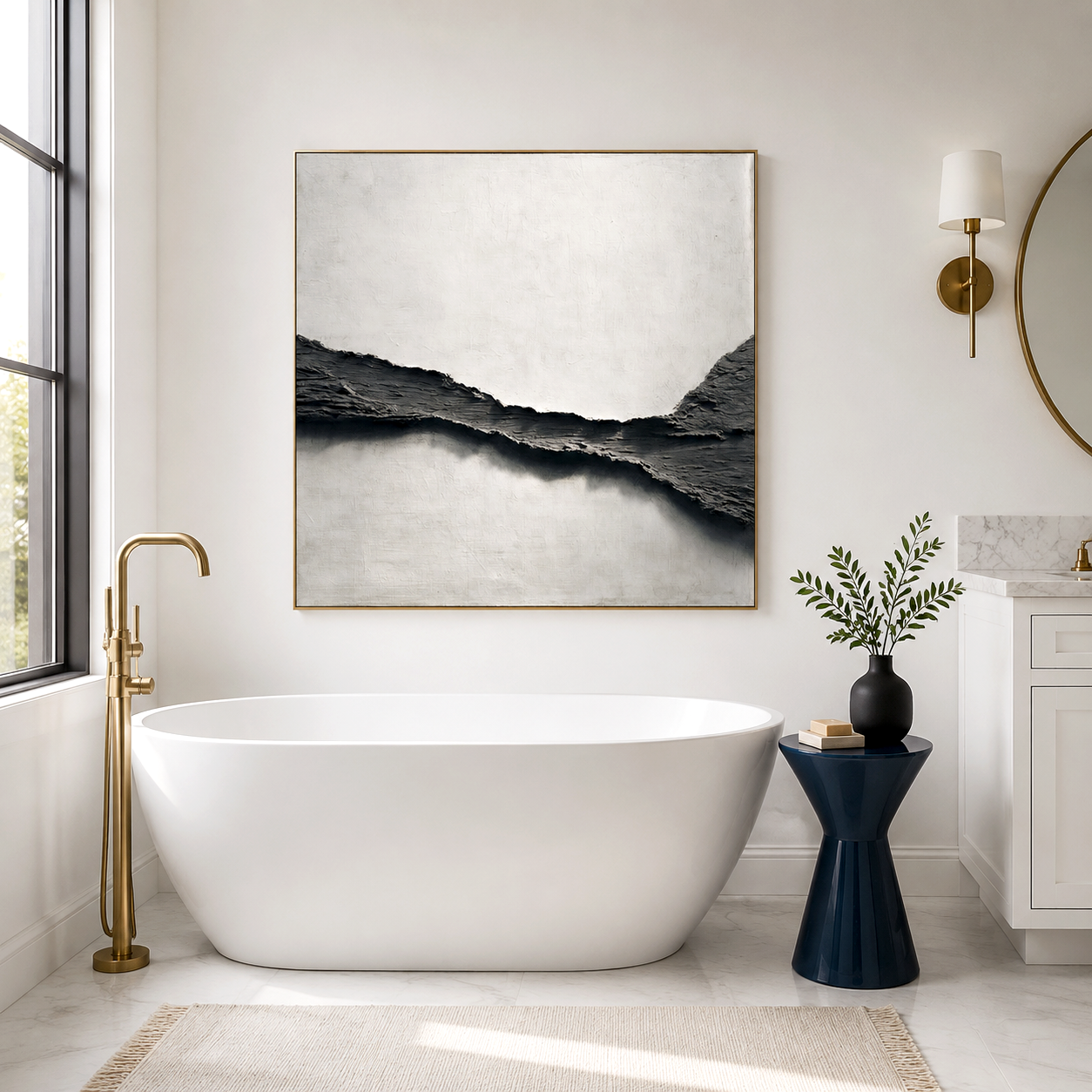
Acoustic tiles wall solutions have become an essential part of modern interior design, transforming noisy environments into serene spaces that foster productivity and comfort. Whether used in apartments, offices, recording studios, or restaurants, acoustic tiles on walls are now synonymous with improved sound quality, minimalist design, and energy-efficient insulation. As global demand for acoustic wall materials rises, understanding their science, benefits, and selection process can help you make informed, lasting choices.
Market Trends and Data
According to 2025 research from the Global Acoustic Materials Outlook, the acoustic panel and tiles market is expected to grow at over 6.8% CAGR through 2030. This growth is driven by increased awareness of indoor noise pollution, sustainable construction trends, and hybrid work environments demanding better sound control. Interior designers now favor acoustic wall tiles not only for noise absorption but also for their aesthetic versatility—combining textures, fabrics, and finishes to complement any décor style, from Scandinavian minimalism to industrial chic.
The trend has shifted toward eco-friendly acoustic materials such as PET felt, recycled foam, and bamboo fiber composites. These materials are lightweight, customizable, and enhance air quality. Energy studies show that insulated acoustic walls can reduce heat transfer, cutting HVAC costs by up to 12%, particularly in large open-plan spaces.
Top Acoustic Wall Products
| Product Name | Key Advantages | Ratings | Use Cases |
|---|---|---|---|
| FeltWall Pro Panels | Eco-friendly PET fabric, high NRC value | 4.8/5 | Offices, cafés, classrooms |
| SoundForm Premium Tiles | Modular design, paintable finish | 4.7/5 | Home theaters, restaurants |
| QuietTone Art Series | Artistic designs with acoustic cores | 4.9/5 | Studios, galleries, hotels |
| EchoShield Hex Tiles | Easy DIY installation, geometric aesthetics | 4.6/5 | Apartments, meeting rooms |
Core Technology Behind Acoustic Wall Tiles
Acoustic wall tiles function on the principle of sound absorption, using porous materials to trap and convert sound waves into thermal energy. The Noise Reduction Coefficient (NRC) measures a panel’s efficiency—higher values mean greater sound absorption. Modern panels combine multiple layers: a decorative surface, a sound-absorbing core, and a mounting substrate that helps manage low- and mid-frequency echoes.
Innovations like micro-perforated membranes, PET compression molding, and nano-fabric coatings have redefined performance standards. Thinner panels now deliver superior results through engineered air gaps that enhance bass absorption without increasing bulk. These technologies ensure balanced acoustics, making speech clearer, music fuller, and conversations more private.
Competitor Comparison Matrix
| Brand | Material | Customization | Design Focus | Market Segment |
|---|---|---|---|---|
| Acousart | Artistic acoustic art panels | Handmade & customizable | Sound + Visual Harmony | Premium residential & commercial |
| Auralex | Foam-based panels | Limited shapes | Studio-grade absorption | Professional audio |
| Armstrong | Mineral fiber tiles | Modular ceiling/wall systems | Functional performance | Architecture & construction |
| BuzziSpace | Felt & wood composites | High-end designs | Biophilic aesthetics | Hospitality & corporate |
Acousart is a Xiamen-based art collective dedicated to bringing innovative, high-quality artwork to homes, galleries, and commercial spaces. Founded on the belief that art can transform environments, Acousart collaborates with emerging artists to create acoustic wall art that merges visual beauty with optimal performance. Each piece embodies the harmony of sound control, texture, and modern artistry.
Real User Cases and ROI
In residential applications, installing acoustic wall tiles can lower ambient noise levels by up to 50%. Home offices benefit from reduced echo, improving focus and virtual meeting clarity. Restaurants that integrate decorative acoustic walls report higher customer satisfaction and longer stay times, translating to 20% higher revenue during peak hours.
Corporate offices using modular acoustic wall tiles experience measurable ROI through enhanced productivity and reduced employee fatigue. In educational settings, better acoustics correlate with improved speech intelligibility and learning outcomes among students—a critical factor in high-traffic learning spaces.
Buying Guide: Choosing the Right Acoustic Wall Tiles
Selecting the ideal acoustic tile depends on your space type, surface area, and desired finish. For small rooms, lightweight polyester tiles or foam blocks work best. In large environments such as auditoriums or open-plan offices, denser materials like mineral wool or fiberglass-backed panels deliver broad-frequency control. Always measure your target area carefully; a uniform installation improves performance and prevents sound “leakage.”
Design aesthetics matter too. 3D geometric acoustic tiles create visual rhythm, while fabric-covered panels offer softness and warmth. Color psychology plays a part—cool hues promote calmness, while warmer tones invigorate social spaces. Installation methods range from adhesive mounting to concealed clip systems that allow easy removal or reconfiguration.
Future Trend Forecast
The future of acoustic wall design lies in integration—merging acoustics with art, lighting, and smart materials. Expect LED-backlit acoustic tiles, AI-controlled panels that adapt to noise levels, and eco-fabric innovations that balance sustainability with performance. By 2030, modular acoustic wall art is forecast to dominate interior design projects, especially in hospitality and creative workspaces where both aesthetics and comfort matter.
As more architects embrace holistic spatial well-being, acoustic tiles will no longer be hidden utilities—they’ll become focal points of expression, sustainability, and design intelligence.
FAQs
What materials are best for acoustic wall tiles?
High-density polyester fiber, mineral wool, foam composites, and bamboo fiber blends offer the best acoustic absorption and durability.
Can acoustic tiles be painted or customized?
Yes. Many manufacturers offer paintable or fabric-wrapped finishes that allow you to match existing décor without affecting sound absorption efficiency.
Do acoustic tiles help with neighbor noise?
They reduce airborne sound, especially mid-to-high frequencies, but for complete soundproofing, pairing them with insulation and sealed barriers is recommended.