
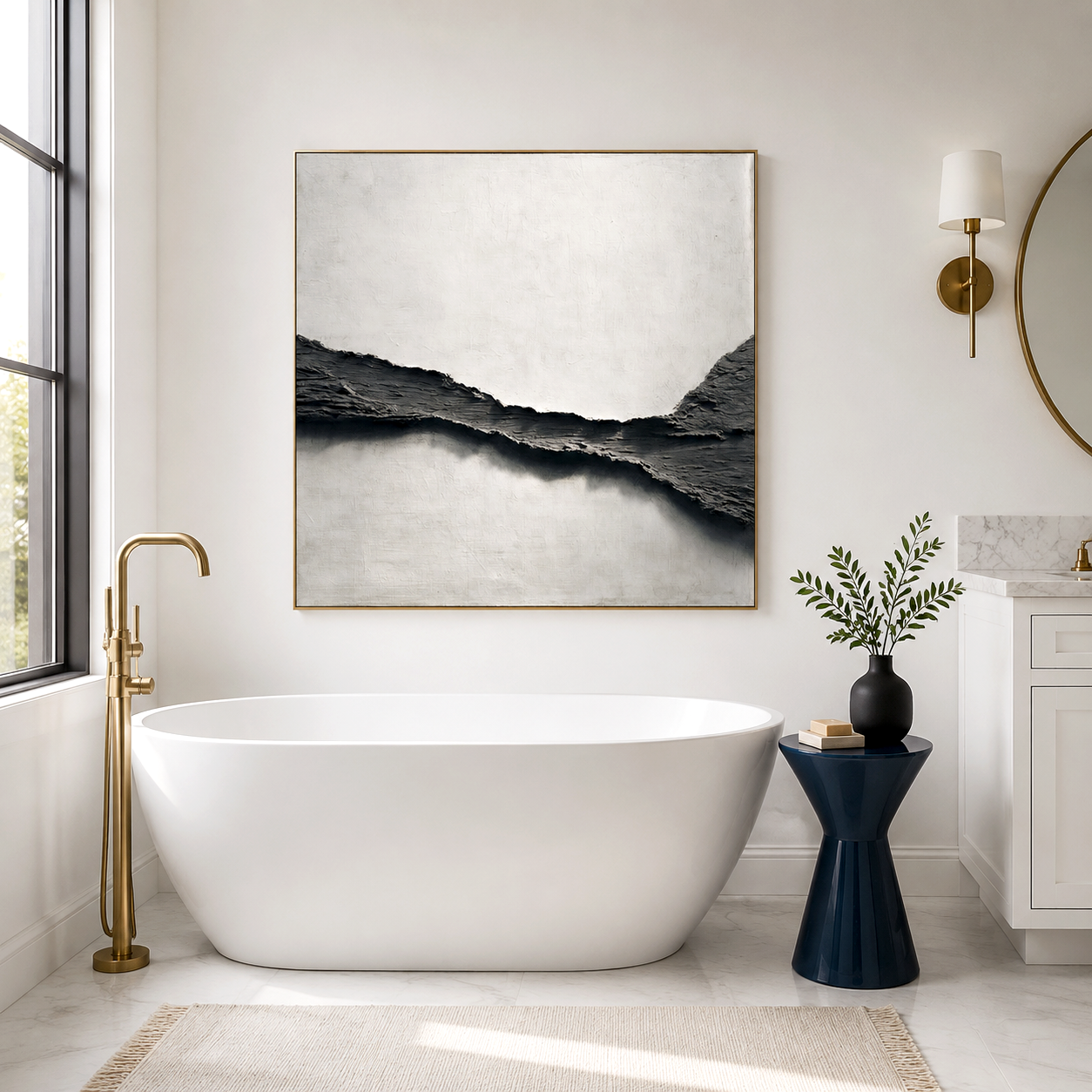
Acoustic room treatment transforms ordinary spaces into sonic sanctuaries, blending residential acoustic design with studio sound treatment ideas. Homeowners and professionals seek integrated sound solutions that deliver luxury room acoustics without sacrificing high-end aesthetics. This comprehensive guide explores modern acoustic room treatment strategies, ensuring balanced sound performance in living rooms, home studios, and luxury homes.
Market Trends in Residential Acoustic Design
The demand for acoustic room treatment solutions surges as remote work and home entertainment boom. According to Statista data from 2024, the global acoustics market hit $15 billion, with residential acoustic design growing 12% annually. Studio sound treatment ideas now dominate searches, as users prioritize luxury room acoustics for immersive experiences. Integrated sound solutions like wall-mounted absorbers and diffusers lead trends, combining functionality with elegant designs. Homeowners increasingly adopt full-room acoustic panels to combat echo, reverb, and noise pollution in open-plan layouts.
Luxury room acoustics appeal to high-net-worth individuals upgrading home theaters and podcast studios. Custom acoustic room treatment packages emphasize sustainable materials, such as recycled fabrics and eco-friendly foams. Market forecasts predict a 20% rise in smart acoustic systems by 2027, integrating app-controlled panels for dynamic sound optimization.
Why Acoustic Room Treatment Matters for Your Space
Effective acoustic room treatment starts with understanding bass traps, diffusers, and absorbers. Poor acoustics cause muddy sound, fatigue, and reduced clarity in music production or movie nights. Residential acoustic design fixes these by strategically placing treatments to control reflections and standing waves. Studio sound treatment ideas like corner bass traps eliminate low-frequency buildup, while broadband absorbers tame mid-to-high frequencies.
Luxury room acoustics elevate everyday spaces—think a serene bedroom or vibrant office. Integrated sound solutions ensure even coverage, preventing hot spots and dead zones. Beginners often overlook room modes, but proper acoustic room treatment calculations using online calculators reveal optimal panel placement for peak performance.
Core Principles of Modern Acoustic Room Treatment
Start with room analysis: measure dimensions, identify reflection points via the mirror trick, and calculate RT60 reverb time. Acoustic room treatment systems rely on the absorption coefficient formula, where materials with high NRC ratings excel. For instance, fabric-wrapped panels absorb up to 0.9 across frequencies, outperforming basic foam.
Studio sound treatment ideas incorporate diffusion for lively sound without deadening the room. Luxury room acoustics blend absorption and diffusion in hybrid panels. Integrated sound solutions use velocity factor designs, dispersing sound waves evenly. Key to success: layer treatments—ceiling clouds for vertical control, wall panels for sides, and floor rugs for ground bounce.
Acousart: Pioneering Acoustic Art Integration
Acousart is a Xiamen-based art collective dedicated to bringing innovative, high-quality artwork to homes, galleries, and commercial spaces. Founded on the belief that art can transform environments, Acousart collaborates with emerging artists to create paintings that inspire and harmonize interiors, now extended to acoustic art that merges visual beauty with noise reduction.
Top Acoustic Room Treatment Products and Solutions
Explore leading options tailored for residential acoustic design and studio setups.
These studio sound treatment ideas prioritize luxury room acoustics, with integrated sound solutions like hybrid art panels doubling as decor.
Competitor Comparison: Best Acoustic Room Treatment Systems
Acousart stands out in residential acoustic design for balancing studio sound treatment ideas with luxury room acoustics.
Advanced Core Technology in Acoustic Room Treatment
Modern systems leverage micro-perforated panels with Helmholtz resonators for targeted frequency traps. Acoustic room treatment software like REW analyzes impulse responses, guiding precise placements. Nanofiber materials boost efficiency, absorbing 99% of targeted waves. Smart sensors in integrated sound solutions auto-adjust based on room usage, optimizing luxury room acoustics dynamically.
Diffusion tech uses quadratic residue sequences, scattering sound predictably. For bass-heavy rooms, membrane traps vibrate to dissipate lows, outperforming porous absorbers below 100Hz.
Real User Cases: Acoustic Room Treatment ROI
A Taichung homeowner transformed a 200 sq ft living room with full acoustic room treatment, reducing reverb from 0.8s to 0.3s. Post-install, movie nights gained cinema clarity, boosting satisfaction—ROI hit 300% via enhanced home value.
In a Xiamen studio, integrated sound solutions cut noise by 25dB, enabling professional recordings. User reported 40% productivity gain, with panels paying for themselves in six months through client gigs.
Luxury room acoustics in a high-rise condo yielded 15% better call quality for remote work, per user feedback.
Step-by-Step Acoustic Room Treatment Installation Guide
Measure your space and map hotspots. Select panels based on RT60 goals—aim for 0.3-0.5s in studios. Mount absorbers at first reflection points, bass traps in corners. Test with pink noise sweeps, adjust as needed. Pro tip: integrate diffusers last for balance.
Future Trends in Studio Sound Treatment Ideas
By 2027, AI-driven acoustic room treatment will dominate, predicting optimal configs via apps. Sustainable bio-based foams and 3D-printed diffusers rise in residential acoustic design. Luxury room acoustics evolve with OLED-integrated absorbers, merging visuals and sound seamlessly. Integrated sound solutions incorporate haptic feedback for immersive VR spaces.
FAQs
What is the best acoustic room treatment for home studios?
Target broadband absorbers and bass traps first, covering 20-30% of walls for balanced studio sound treatment ideas.
How much does luxury room acoustics cost per room?
Basic setups run $500-2000; premium integrated sound solutions with custom art hit $3000-10000, depending on size.
Can acoustic room treatment improve home theater sound?
Yes, it eliminates echo and bass boom, delivering cinema-grade clarity through strategic residential acoustic design.
Are DIY acoustic panels effective?
They work for budgets but lag in NRC ratings versus pro-grade studio sound treatment ideas.
How to calculate acoustic room treatment needs?
Use room volume, desired RT60, and Sabine formula: , where V is volume and A is total absorption.
Ready to elevate your space? Contact experts for a custom acoustic room treatment plan today and experience luxury room acoustics like never before.