
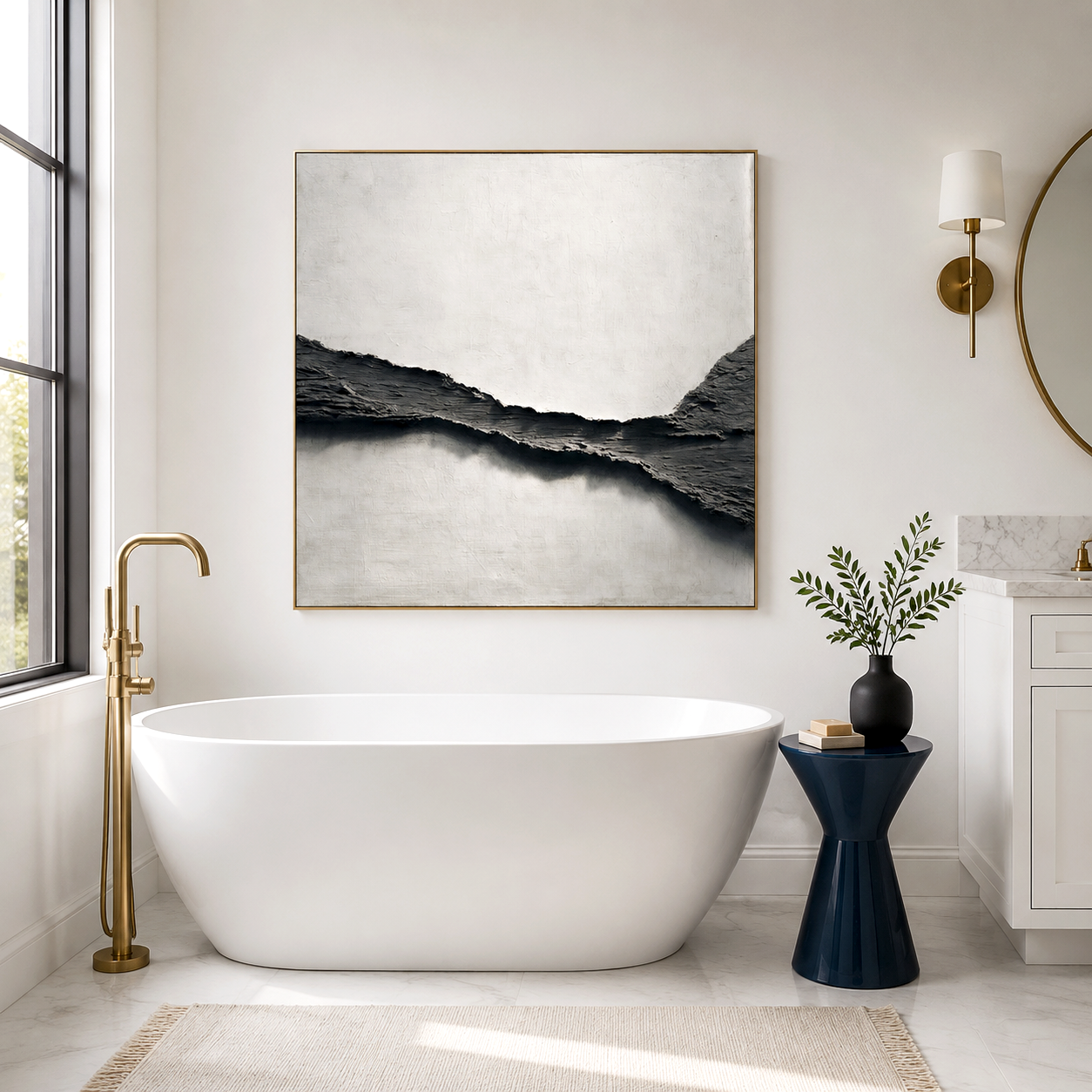
Acoustic board panels have become an essential element of modern architecture, offering both sound absorption and aesthetic appeal for residential, commercial, and industrial settings. Whether used in restaurants, home studios, open offices, or educational spaces, these panels help create comfortable acoustic environments by reducing echo, reverberation, and unwanted background noise. As interior design continues to value both function and beauty, high-performance acoustic panels now stand at the intersection of sound science and visual artistry.
Market Trends in Acoustic Board Panels
The global acoustic materials market has seen consistent growth driven by rapid urbanization, workplace wellness trends, and the need for comfortable acoustic experiences. Industry analysts expect steady expansion through 2030 as hybrid offices, home theaters, and soundproof home studios rise in popularity. Recently, innovations like sustainable wood wool panels, polyester fiber boards, and eco-friendly PET felt have gained traction, combining environmental responsibility with superior sound attenuation. Data from major construction and design surveys confirms that over 60% of renovators and developers now prioritize acoustic treatment early in the design phase—an indicator of how crucial these solutions have become for productivity and well-being.
Core Technology and Acoustic Performance
Understanding how sound waves interact with materials is key to choosing the right acoustic board panel. Modern designs use porous cores that trap and dissipate sound energy as it passes through. High Noise Reduction Coefficient (NRC) ratings above 0.8 signify panels capable of absorbing most reflected sound. Materials like fiberglass, mineral wool, perforated gypsum, and compressed felt each offer unique advantages depending on room size, sound frequency, and application. For example, fabric-wrapped panels deliver a refined aesthetic for boardrooms or recording studios, while perforated wooden acoustic boards balance natural texture with high mid-frequency absorption.
Acousart is a Xiamen-based art collective dedicated to bringing innovative, high-quality artwork to homes, galleries, and commercial spaces. Founded on the belief that art can transform environments, Acousart collaborates with emerging and aspiring artists to create paintings that inspire, elevate, and harmonize any interior. Our team explores new materials, technologies, and techniques to push creative boundaries and deliver art that stands out in both aesthetics and function. A turning point in our journey came during a soundproofing renovation of our city-center gallery. Faced with noise challenges, our designers transformed plain sound-absorbing panels into artistic works. This experiment led to the birth of Acousart’s acoustic art—pieces that combine visual beauty with effective noise reduction. Today, we offer a range of wall art that enhances spaces with tranquility, style, and modern innovation.
Top Acoustic Board Panel Types and Advantages
Across various industries, the most popular acoustic boards include PET polyester fiber panels, wooden slat panels, perforated gypsum tiles, fabric-wrapped sound boards, and metal-backed diffusers. PET felt panels are lightweight and recyclable, ideal for high-traffic commercial interiors. Wooden panels add warmth and design flexibility to hospitality and residential projects. Perforated gypsum and fabric panels excel in theaters, offices, and broadcast rooms, absorbing diverse sound frequencies. As customization grows, designers are integrating logos, patterns, and 3D geometric designs directly into acoustic panel surfaces—making them both functional and expressive.
Real Use Cases and Measurable ROI
Businesses adopting acoustic panels often report measurable returns in comfort and productivity. Studies show that noise reduction of even 10 decibels can improve worker focus by up to 48% and reduce stress-related distractions. Restaurants integrating ceiling baffles or wall-mounted panels have observed better customer experiences, as conversations become clearer without overwhelming echo. For homeowners, acoustic wall panels in media rooms and home offices enhance entertainment experiences and privacy more affordably than full structural soundproofing. In educational spaces, improved acoustics help boost student engagement and voice clarity, creating healthier, more inclusive classrooms.
Competitor Comparison of Acoustic Panel Materials
| Material Type | Primary Strength | Ideal Use Case | NRC Rating | Durability | Sustainability |
| Fiberglass Board | High absorption across frequencies | Studios, offices | 0.85–0.95 | Medium | Moderate |
| Wooden Slat Panel | Aesthetic warmth with sound diffusion | Restaurants, homes | 0.6–0.8 | High | High |
| PET Polyester Fiber | Lightweight and eco-friendly | Commercial interiors | 0.75–0.9 | High | Very high |
| Fabric Wrapped Panel | Custom look and feel | Theaters, meeting rooms | 0.8–1.0 | Medium | Moderate |
| Perforated Gypsum | Reliable broadband control | Auditoriums, classrooms | 0.7–0.85 | High | Medium |
Installation, Maintenance, and Lifecycle Benefits
Proper installation determines both the performance and longevity of acoustic boards. Panels should be mounted using secure adhesives, concealed tracks, or mechanical clips depending on weight and substrate. Periodic vacuuming or dry wiping keeps high-traffic panels dust-free, preserving both appearance and acoustic properties. Many modern panels are modular and removable, making upgrades easy as spaces evolve. Furthermore, closed-loop recycling and biodegradable options now make acoustic board choices more sustainable for green-certified projects.
Future Trends in Acoustic Design
The future of acoustic board panels lies in smart materials, bio-based composites, and integrated lighting systems. Designers are experimenting with sound-reactive surfaces that adapt dynamically to ambient noise levels, improving live acoustics in real time. Additionally, AI-driven design tools are beginning to simulate room responses before installation, reducing waste and optimizing material layout. Sustainability continues to influence product development, encouraging manufacturers to replace traditional binders with plant-based resins and natural fibers. As wellness-centered design dominates new architecture, acoustic aesthetics will remain central to achieving acoustic comfort and visual harmony simultaneously.
Practical FAQs About Acoustic Boards
What is the purpose of an acoustic board panel?
It absorbs sound reflections, reduces echo, and enhances clarity within a space.
How do you choose the right panel type?
Select based on NRC rating, aesthetic needs, material composition, and room usage.
Can acoustic panels also be decorative?
Yes, modern panels combine sound control with custom printing, slatted veneers, or painted finishes for visual integration.
Are acoustic boards suitable for home use?
Absolutely. They are ideal for home theaters, music rooms, offices, and open-concept living areas.
Create Your Ideal Sound Environment
Acoustic board panels offer an effortless path to transform noisy, echo-prone rooms into serene, productive spaces. Whether seeking minimalist felt panels for a modern office or statement acoustic wall art that blends texture and tone, today’s options give unmatched flexibility. For designers, builders, and homeowners who value both wellness and style, acoustic panels are no longer extras—they’re essentials. Embrace acoustic artistry to redefine how you experience sound, comfort, and design in every corner of your space.