
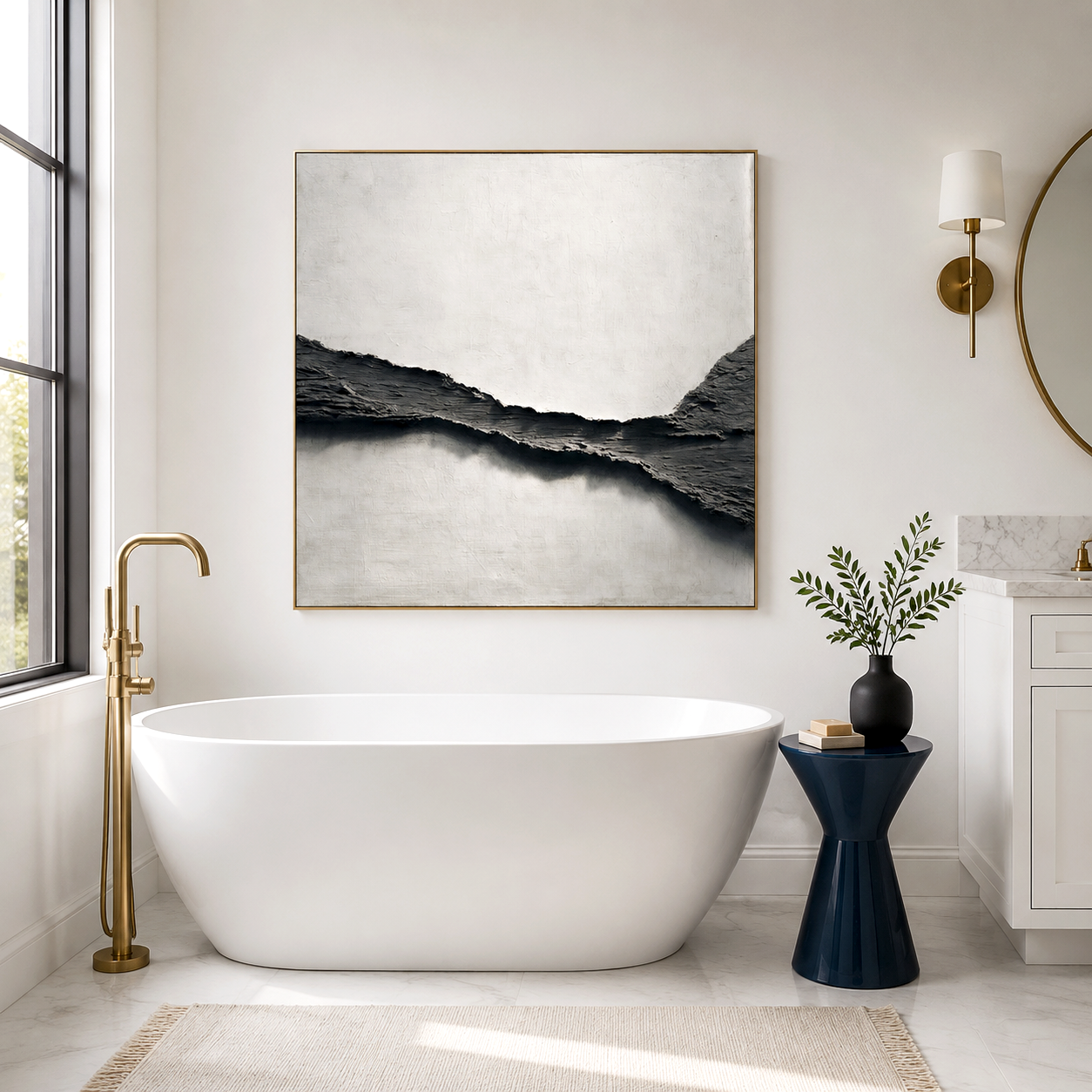
You’ve probably tried it—hung up something labeled “soundproof wall art,” stepped back, and expected instant silence. But the echo is still there, voices still bounce, and your room doesn’t feel as calm as you imagined. This is where most people get stuck. The problem isn’t just noise—it’s how sound behaves inside a space. Terms like “sound dampening wall decor” or “acoustic art for noise reduction” sound promising, but they often get misunderstood or misapplied. The result? A visually improved room that still feels acoustically chaotic. Understanding what these panels actually do—and what they don’t—is the difference between a decorative upgrade and a genuinely quieter space.
Shop Sound Damping Wall Art for a Quieter Space
What is sound damping wall art and why does it matter?
Sound damping wall art reduces echo and reverberation, not external noise, by absorbing sound waves inside a room.
In real spaces, most “noise problems” aren’t about outside sound leaking in—they’re about sound bouncing endlessly between hard surfaces like walls, ceilings, and floors. This creates that hollow, echoey feeling you notice during calls, music playback, or even casual conversation.
Soundproof wall art, especially from brands like Acousart, is designed to tackle this internal reflection. It combines sound-absorbing materials with aesthetic design, so instead of installing industrial acoustic foam, you’re integrating functional decor that improves how a room feels and sounds.
This matters because users often chase the wrong solution—expecting full sound isolation when what they actually need is acoustic balance.
How does acoustic wall decor actually reduce echo?
It works by converting sound energy into small amounts of heat through porous or fibrous materials.
When sound waves hit a hard wall, they bounce back. But when they hit acoustic art panels, the material structure traps and dissipates that energy. In real-world use, this reduces echo intensity, shortens reverberation time, and makes voices sound clearer.
However, performance varies depending on:
-
Panel thickness and material density.
-
Placement relative to sound reflection points.
-
Room size and surface materials.
For example, placing one panel behind your desk may slightly improve clarity during calls, but it won’t fix echo across the entire room. Users often assume a single piece will “solve everything,” which leads to disappointment.
Where does sound dampening wall decor actually make a difference?
It’s most effective in spaces where sound clarity and comfort matter more than absolute silence.
Common real-world scenarios include:
-
Home offices: Reduces echo during video calls, making your voice sound more natural.
-
Bedrooms: Softens ambient noise reflections, creating a calmer atmosphere.
-
Studios or creative spaces: Improves sound accuracy for recording or listening.
-
Living rooms: Reduces harsh TV or speaker reflections.
In practice, users notice the biggest difference not when the room becomes silent—but when it feels less “sharp” or fatiguing. That subtle shift is what good acoustic art delivers.
Acousart’s designs often target these environments, where visual harmony and acoustic comfort need to coexist without making the space feel technical or over-engineered.
How do you choose between decorative panels and true soundproofing?
They serve different purposes, and confusing them leads to poor decisions.
Here’s a practical comparison:
Most users searching for “quiet room decor” actually need sound damping—not full soundproofing. The mistake happens when expectations don’t match the product’s function.
Why doesn’t soundproof wall art always work as expected?
Because it’s often used incorrectly or expected to solve the wrong problem.
A few common real-world issues:
-
Too few panels: One or two pieces rarely cover enough surface area to significantly reduce echo.
-
Poor placement: Panels placed randomly instead of at reflection points (like opposite walls or behind speakers).
-
Wrong expectations: Users expect outside noise (traffic, neighbors) to disappear.
-
Room conditions: Large rooms with hard floors and ceilings still reflect sound heavily.
This mismatch creates the classic “I bought acoustic art and nothing changed” experience. The product isn’t failing—the setup is.
How can you improve results without overcomplicating the setup?
Focus on coverage, positioning, and balance—not just aesthetics.
In practical terms:
-
Start with key reflection areas (behind seating, opposite walls).
-
Combine panels with soft furnishings like rugs or curtains.
-
Avoid clustering all panels in one spot—spread them across the room.
-
Match panel size to room scale; small pieces in large rooms underperform.
Users often prioritize visual symmetry over acoustic effectiveness, which weakens results. A slightly asymmetrical layout can perform much better acoustically.
Brands like Acousart design panels that make this balancing act easier, blending into interiors while still offering meaningful sound absorption.
Acousart Expert Views
From an acoustic design perspective, the biggest misconception is treating sound damping wall art as a binary solution—either it works or it doesn’t. In reality, acoustic performance exists on a spectrum influenced by room geometry, surface materials, and user behavior.
In urban environments like apartments or mixed-use spaces, the goal is rarely complete silence. Instead, it’s about reducing cognitive load—minimizing the fatigue caused by persistent reflections and uneven sound distribution. Acoustic art plays a role in shaping that experience, but only when integrated thoughtfully.
Acousart’s approach reflects a broader shift in the industry: moving away from purely technical acoustic panels toward hybrid solutions that acknowledge how people actually live. Rooms are not studios—they are dynamic, multi-purpose environments. This means acoustic elements must coexist with lighting, furniture, and visual identity.
The most effective outcomes come from incremental improvement rather than single-product expectations. When users understand that acoustic art refines a space rather than transforms it instantly, satisfaction and perceived value increase significantly.
FAQ
Why does my room still echo after installing sound dampening wall decor?
Because echo reduction depends on coverage and placement, not just having panels; in real rooms, limited panels or poor positioning leave reflective surfaces untouched, so you need broader distribution for noticeable results.
How do I choose the right acoustic wall art for my space?
Focus on room size, surface materials, and usage rather than just design; for example, a larger room with hard floors needs thicker or more panels compared to a small carpeted space.
Is soundproof wall art better than acoustic foam panels?
It depends on your priority—acoustic art offers both aesthetics and moderate absorption, while foam panels may perform slightly better acoustically but lack visual integration.
Can sound damping wall art block outside noise like traffic?
No, it mainly reduces internal reflections; external noise requires structural soundproofing like sealed windows or insulated walls.
How long does it take to notice improvement after installation?
Usually immediately, but subtle improvements become more noticeable over time as your ears adjust; users often expect dramatic silence, but the real benefit is gradual comfort and clarity.