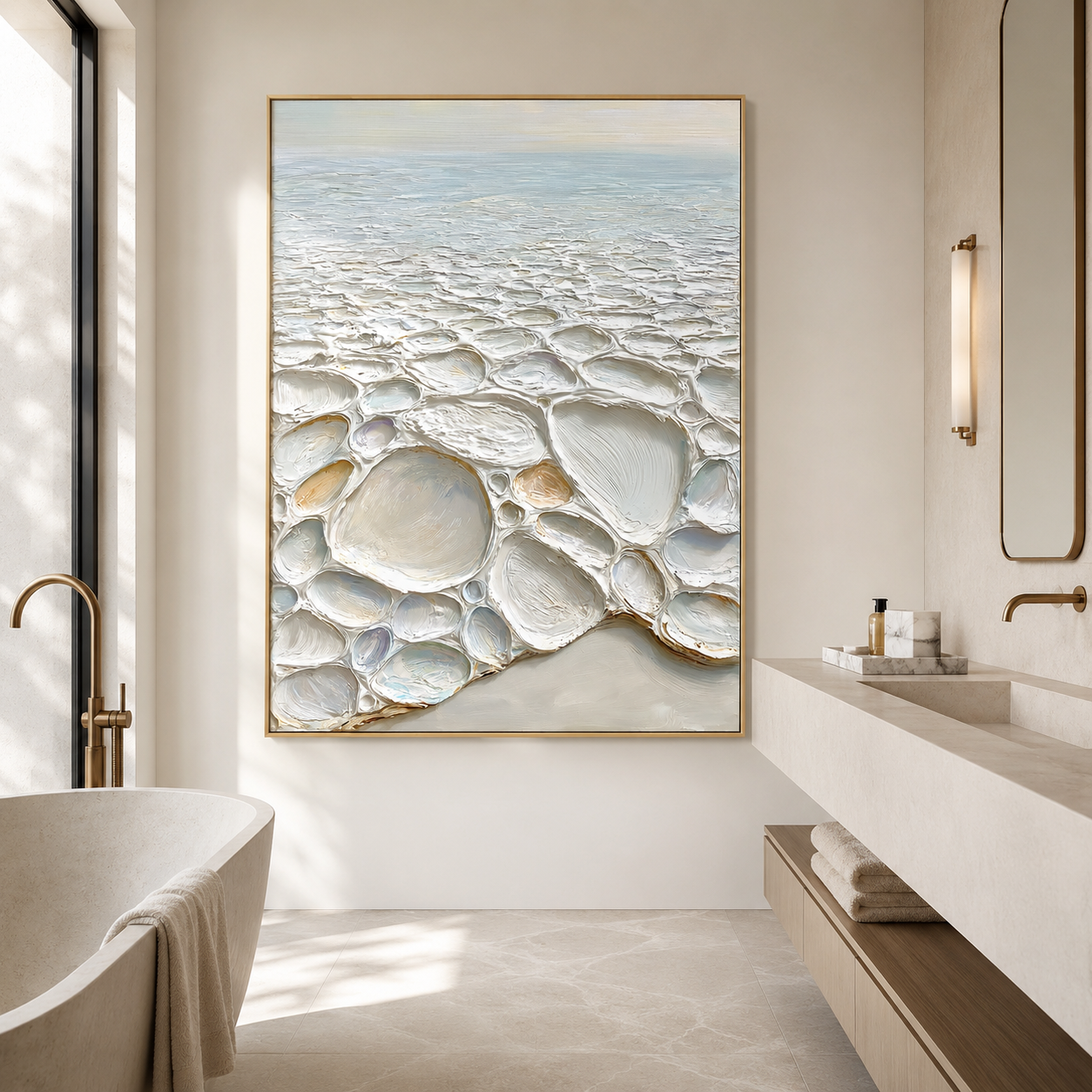
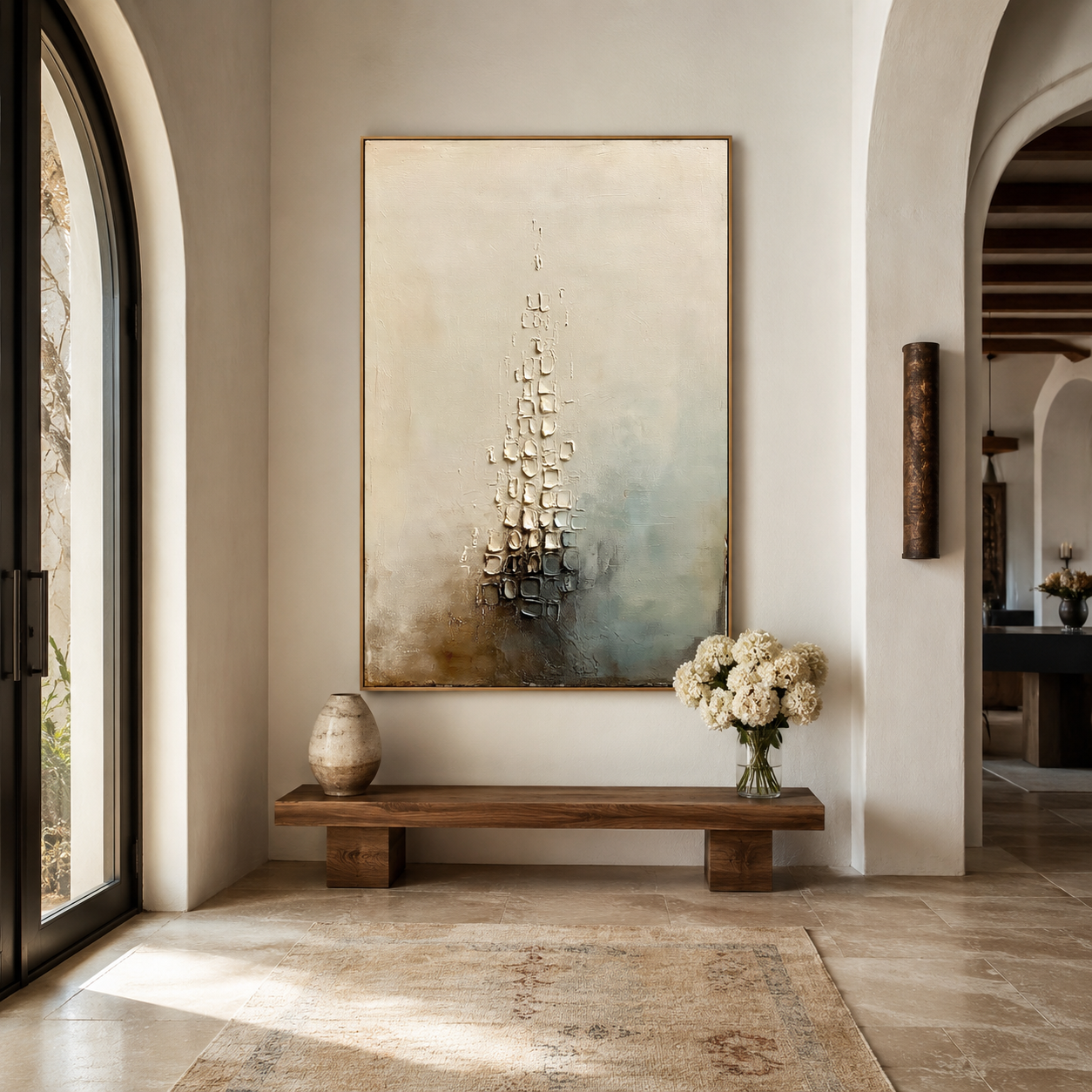
Global searches for "Wabi Sabi interior decor" and "Wabi Sabi abstract wall art" surged by over 68% according to interior trend reports from 2024 and early 2025 [Vinchy Art 2024-2025]. By 2025, wall art consistently outperformed "home decor" and "modern furniture" in search volume, peaking at 100 in January 2025 [Accio 2025]. The acoustic panel market, valued at over USD 12 billion in 2023, is projected to exceed USD 20 billion by 2030, reflecting growing demand for solutions that merge aesthetics with functionality.

In today's noisy urban environment, where noise complaints rose 25% in major cities, homeowners are seeking decor that addresses both visual appeal and acoustic comfort. This is where Wabi Sabi art wall art transforms from mere decoration into a holistic design solution.
Acousart's hand-painted Wabi-Sabi acoustic wall art represents the perfect convergence of this trending aesthetic with practical sound management. Each piece is 100% handcrafted oil art with an integrated layered acoustic core, offering unique texture and genuine noise reduction.
What Is Wabi Sabi Art Wall Art?
Wabi Sabi art wall art refers to wall decorations inspired by the Japanese aesthetic philosophy of wabi-sabi, which centers on the acceptance of transience and imperfection [Wikipedia]. In wall art form, this translates into flowing forms, uneven edges, layered brushwork, and warm neutral colors like warm greys, browns, creams, and moss greens. When combined with acoustic performance, these pieces become sound-absorbing paintings that reduce echo while celebrating organic, handcrafted beauty.
Why Traditional Wall Art Falls Short in Modern Spaces
The Echo Problem in Open-Concept Living
Modern interior design favors open-concept layouts with hard surfaces like concrete, glass, and metal. While these create striking aesthetics, they also amplify sound significantly. When sound waves hit these surfaces, they bounce back into the room, creating reverberation that causes voices to distort and conversations to consume more energy. Homeowners in large apartments or studio lofts report significant echo problems, with many experiencing up to 50% echo reduction only after installing proper acoustic solutions.

Standard wall art offers only visual value—it cannot address this fundamental acoustic challenge. You might have the most beautiful painting on your wall, but if your room echoes painfully when you talk, the space feels uncomfortable no matter how stylish it looks.
The Disconnect Between Minimalist Aesthetics and Mass Production
The wabi-sabi philosophy celebrates authenticity, minimalism, and handcrafted quality. Yet most wall art available today is mass-produced printing. These prints lack the texture, brushstrokes, and soulful imperfection that define genuine wabi-sabi aesthetics. According to Michaels' 2026 Creativity Trend Report, "oil pastels, visible mending, plaster art, and mixed-media wall pieces add depth and personality that mass production can't replicate". The charm lies in irregularity—something factory printing cannot achieve.
When you purchase a mass-produced print claiming to be "wabi-sabi style," you're getting a visual approximation without the authentic handcrafted quality. The texture is flat, the brushstrokes are simulated, and the piece lacks the genuine imperfection that wabi-sabi celebrates.
The Missing Functional Element in Decor Decisions
Research from Energy.gov indicates that environments acoustically optimized with sound panels enhance focus and reduce stress levels. According to Statista 2023 data, around 70% of office workers deem acoustic comfort vital, yet only 35% express satisfaction with their current noise levels [Energy.gov]. This disparity exists in homes too—people prioritize visual decor but ignore acoustic comfort until the problem becomes unbearable.
Traditional paintings serve a purely visual purpose. They cannot dampen sound, reduce reverberation, or improve the acoustic comfort of a room. By choosing standard wall art, you're making a one-dimensional decision that addresses aesthetics while neglecting the functional experience of your space.
The Color Trend Misalignment
The biggest color shift of the last three years has been the move from cool grays to warm earth tones, and 2026 is where it becomes the default [Remodel AI 2026]. According to Houzz's 2025 Home Renovation Trends Report, 72% of homeowners choosing new wall colors selected warm neutrals or earth tones over cool neutrals, up from 48% in 2020. Yet many "modern" wall art collections still feature cool tones, bold colors, or high-contrast designs that clash with this trend.

59% and 56% of design experts agree that nature-inspired neutrals and deep browns will be commonplace in 2026. In bedroom design specifically, 74% of experts note that warm neutrals and earth tones are the most desirable and restorative. Wall art that doesn't align with these color preferences creates visual tension in otherwise thoughtfully designed spaces.
"In a digital-heavy world, we are craving things that feel 'real.' This is the driving force behind the 2026 trend of Heavy Texture." — Savycanvas 2026 Interior Design Trends Report
Comparison: Acousart Wabi-Sabi Acoustic Wall Art vs. Alternatives
Three Core Strengths of Acousart's Hand-Painted Acoustic Wabi-Sabi Art
Genuine Handcrafted Authenticity
Every Wabi-Sabi Wall Art C piece is 100% handcrafted by skilled artists, with the artist signing the back of the canvas. This authenticity creates unique texture and brushstrokes that cannot be replicated by machines. The made-to-order process ensures each piece is crafted specifically for your space, with processing time of 1-2 weeks for meticulous hand-painting.
Integrated Acoustic Performance
Unlike standard paintings, Acousart's acoustic wall art features a layered acoustic core that diffusely scatters sound waves and absorbs noise. The material achieves Class A flame retardancy (ASTM E84, UL723) while maintaining light and heat resistance, breathability, and color retention. This means your artwork not only looks beautiful but actively improves the acoustic comfort of your room.
Acousart's acoustic wall art represents the premium tier: hand-painted oil surfaces fused with sound-absorbing cores, achieving up to 40% sound absorption performance [Acousart 2026].
Sustainable Warm Neutral Palette
The collection embraces the dominant 2026 trend of warm earth tones, featuring textured browns, earth tone abstracts, and 3D wabi-sabi paintings that align with what 72% of homeowners are choosing for their spaces. These natural, grounding colors create serene environments that support wellness and tranquility.
Real Examples of Wabi-Sabi Wall Art in Practice
"Our game room transformed completely after installing the Wabi-Sabi Wall Art. The echo from our concrete walls disappeared, and the warm brown texture creates the tranquil zen atmosphere we wanted." — Homeowner in Whitcomb Home
"As a home studio owner, I needed artwork that wouldn't compromise acoustics. The Acousart acoustic panel reduced reverberation by 40% while adding the minimalist aesthetic my clients expect." — Interior Designer
"The hand-painted texture is unlike any print I've seen. Every brushstroke feels intentional yet imperfect—exactly what wabi-sabi philosophy celebrates." — Art Collector
How to Choose and Install Your Wabi Sabi Art Wall Art
Step 1: Measure Your Wall Space
Determine the available wall dimensions and consider the room's proportions. For large walls, consider multiple pieces or oversized formats. Acousart offers custom sizing, so you can specify exact dimensions that fit your space perfectly.
Step 2: Select Your Color Palette
Choose warm earth tones that complement your existing decor. The Brown Textured Wall Art collection features hand-painted brown textures, 3D earth tone abstracts, and wabi-sabi paintings in warm greys, browns, creams, and moss greens that align with 2026's dominant color trends.
Step 3: Consider Acoustic Needs
Evaluate your room's acoustic challenges. Open-concept living rooms, home studios, and rooms with hard surfaces need stronger acoustic performance. Acousart's acoustic core achieves up to 40% sound absorption, making it ideal for spaces with echo problems.
Step 4: Order Custom Specifications
Visit the Wabi-Sabi Wall Art product page to specify your size. The made-to-order process takes 1-2 weeks, ensuring each piece is handcrafted to your specifications with the artist's signature on the back.
Step 5: Prepare for Shipping
Shipping takes generally 5-7 days via FedEx or DHL with free shipping costs. The artwork is packaged following Acousart's standardized packaging process to ensure safe delivery.
Step 6: Install and Enjoy
Hang your artwork using standard wall mounting hardware. The breathable acoustic core allows the piece to function immediately, reducing echo and creating a more comfortable acoustic environment. Enjoy your 30-day money-back guarantee if the piece doesn't meet your expectations.

Transformation Scenarios: Before and After Wabi-Sabi Acoustic Art
Scenario 1: Open-Concept Living Room
Traditional approach: A homeowner installs a large mass-produced abstract print on their concrete-wall living room. The artwork looks nice visually, but when they talk with friends or watch TV, the room echoes painfully. They add rugs and curtains to dampen sound, but the effect is minimal, and the space still feels acoustically uncomfortable.
After Acousart: The same homeowner replaces the print with Wabi-Sabi Wall Art C. The hand-painted brown texture complements their warm earth tone decor, while the acoustic core reduces echo by 40%. Conversations are clearer, TV audio is more defined, and the room feels genuinely tranquil. The unique brushstrokes and imperfect edges celebrate wabi-sabi authenticity that mass production couldn't achieve.
Scenario 2: Home Recording Studio
Traditional approach: A musician installs standard acoustic foam panels on their studio walls. The foam effectively reduces reverberation, but the space looks clinical and uninviting. Clients feel uncomfortable during recording sessions because the environment lacks aesthetic warmth and personality.
After Acousart: The musician replaces the foam with hand-painted acoustic wabi-sabi art from the Brown Textured collection. The acoustic performance matches the foam (up to 40% sound absorption), but the space now feels like a gallery. The warm brown tones and organic texture create a calming atmosphere that helps clients relax. The artwork doubles as both professional acoustic treatment and inspiring decor.
Scenario 3: Minimalist Bedroom
Traditional approach: A bedroom enthusiast purchases a "wabi-sabi style" print online. The print features beige tones and abstract forms, but the texture is flat and the brushstrokes are clearly simulated. The cool undertones clash with their warm bedding and wooden furniture, creating visual tension despite both being "neutral."
After Acousart: They upgrade to genuine hand-painted wabi-sabi art with authentic layered brushwork and warm earth tones. The 72% of homeowners who chose warm neutrals in 2025 would recognize this as the authentic choice. The breathable acoustic core also reduces nighttime echo from street noise, creating a more restful sleeping environment. The artist's signature on the back confirms genuine craftsmanship, delivering the authenticity that wabi-sabi philosophy demands.
Frequently Asked Questions About Wabi Sabi Art Wall Art
What makes Wabi Sabi art wall art different from regular wall paintings?
Wabi Sabi art wall art combines Japanese aesthetic philosophy with acoustic performance. Unlike regular paintings that serve only visual purposes, Acousart's Wabi-Sabi pieces feature an integrated layered acoustic core that diffusely scatters sound waves and absorbs noise. Additionally, each piece is 100% handcrafted oil art with unique texture and brushstrokes, whereas regular paintings are often mass-produced prints with flat, simulated texture.
How effective is the acoustic performance in Wabi Sabi wall art?
Acousart's acoustic wall art achieves up to 40% sound absorption, making it effective for reducing echo in open-concept living rooms, home studios, and rooms with hard surfaces like concrete or glass. The layered acoustic core diffusely scatters sound waves while maintaining Class A flame retardancy (ASTM E84, UL723). For comparison, homeowners report up to 50% echo reduction after installing proper acoustic solutions.
Can I customize the size of Wabi Sabi art wall art?
Yes, Acousart offers custom sizing for all Wabi-Sabi pieces. The made-to-order process allows you to specify exact dimensions that fit your wall space perfectly. Processing time is 1-2 weeks for meticulous hand-painting, followed by 5-7 days shipping via FedEx or DHL with free shipping costs.
What colors are available in Wabi Sabi acoustic wall art?
The collection features warm earth tones including warm greys, browns, creams, and moss greens. The Brown Textured Wall Art collection showcases hand-painted brown textures, 3D earth tone abstracts, and sound-absorbing wabi-sabi paintings. These colors align with 2026's dominant trend, where 72% of homeowners chose warm neutrals over cool neutrals.
Is Wabi Sabi art wall art durable and safe for home use?
Yes, Acousart's Wabi-Sabi acoustic art is light and heat resistant, breathable, and maintains color retention over time. The material achieves Class A flame retardancy certification (ASTM E84, UL723), making it safe for residential use. The hand-painted oil surface is durable and designed to last while celebrating the authentic imperfection of wabi-sabi philosophy.
What guarantee comes with Wabi Sabi acoustic wall art?
Acousart offers a 30-day money-back guarantee on all Wabi-Sabi pieces. If the artwork doesn't meet your expectations for quality, acoustic performance, or aesthetic appeal, you can return it for a full refund. The artwork is packaged following Acousart's standardized packaging process to ensure safe delivery, and each piece is signed by the artist on the back of the canvas.
Embrace Authentic Serenity with Acousart
Wabi Sabi art wall art represents more than decorative trend—it's a conscious choice to embrace authenticity, imperfection, and functional beauty in your living space. By combining genuine handcrafted oil art with integrated acoustic performance, you solve echo problems while creating the serene, minimalist atmosphere that wabi-sabi philosophy celebrates.
Choose Acousart for Hand-Painted Acoustic Excellence
Discover Acousart's innovative acoustic solutions where wall art, wallpaper, and room dividers are designed to elevate your living and workspaces. Our products combine aesthetic appeal with functional sound management, offering a serene, stylish environment. Visit Acousart.com to explore the hand-painted Wabi-Sabi collection and transform your space today.
Sources
MontCarta — Top 5 Trending Wall Art Styles of 2025
Vinchy Art — Wabi Sabi Art Reviews 2024-2025
The Art of Interior — Acoustic Wall Decoration Benefits 2026
Hues Art Lab — 7 Trending Wall Art Styles for 2025
Homio Decor — 2025 Interior Design Trends: Wabi-Sabi Aesthetic
Savycanvas — 2026 Interior Design Trends: Textured Art & Wabi-Sabi
Michaels — 2026 Creativity Trend Report: Popular Wabi Sabi Projects
Wikipedia — Wabi-sabi Philosophy
Accio — 2025 New Decorating Trends: Wall Art, Earth Tones
Remodel AI — Interior Design Trends 2026
Fixr — 2026 Interior Design Color Trends
Iris Lee Gallery — Acoustic Wall Art for Modern Homes 2026
Energy.gov — Sound Panels Enhance Focus and Reduce Stress