
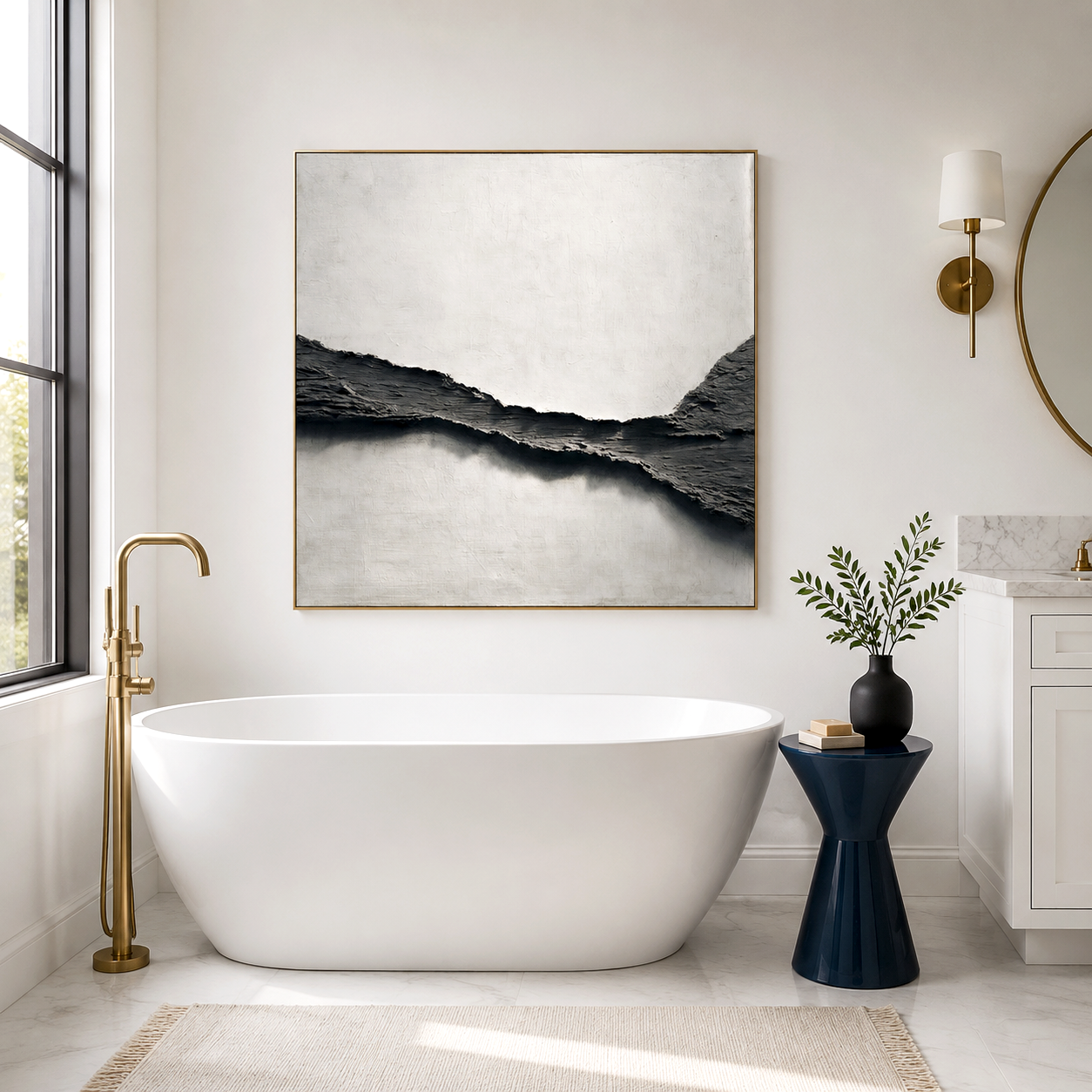
In 2026, the interior design world is moving beyond glossy screens and printed canvases to embrace something far more tactile — substance. After years of minimalism and digital saturation, homeowners and designers alike crave art that can be felt as much as seen. This shift toward 3D art marks a new era of “sensory luxury,” where visual beauty meets the physical richness of material and texture.
The Rise of Substance in Modern Design
“Substance” is no longer a metaphor for depth or meaning — it’s becoming literal. Plaster, clay, and sculptural paint textures are redefining how interiors breathe and flow. Interiors now seek contrast — smooth meets rough, matte meets gloss — as designers layer materials with dimension. According to global design data from early 2026, searches for “3D wall art” and “textural sculptures” have more than doubled compared to 2024. What was once flat and decorative is becoming dimensional and immersive.
This revival reflects an emotional need for connection. In a world mediated by screens, textured plaster walls and relief paintings reintroduce the tactile experience of living spaces. Each touchpoint becomes a form of quiet grounding — a sensory reminder of the physical world.
Sensory Luxury: The Feel of True Substance
Sensory luxury goes beyond color palettes and patterns. It’s about the touch, weight, and presence of materials. Plaster’s velvety matte finish, or a ridged 3D surface that catches light differently throughout the day, builds subtle drama in a room. Every shadow shift becomes part of the design story. This form of 3D artistic expression fuses craftsmanship with emotion, inviting viewers to interact rather than merely observe.
In sensory-led interiors, depth replaces gloss. Instead of flashy prints, homeowners choose monolithic art pieces with dimensional finishes. A sculptural wall becomes the visual anchor of a space — calm yet commanding, aesthetic yet functional. Designers often describe it as the “quiet strength” of the home.
Where Texture Meets Innovation
This year’s defining aesthetic blends tactile realism with modern minimalism. 3D art installations, plaster reliefs, and sculptural wall decor dominate high-end interiors, driven by demand for organic authenticity. Raised paint applications, marbled plaster, and contour-like layering imitate natural formations — transforming walls into landscapes.
Acousart, a Xiamen-based art collective dedicated to bringing innovative, high-quality artwork to spaces worldwide, exemplifies this evolution. Founded on the idea that art can merge creativity with function, Acousart has pioneered acoustic wall art — works that not only beautify interiors but also enhance them acoustically. Their pieces, such as Monolithic Echoes and Abstract Terrain, embody the concept of “art with substance.” These designs merge sculpted depth, hand-rubbed pigments, and sound-absorbing materials to create tranquil environments that appeal to both sight and sound.
Market and Material Trends Shaping 2026 Interiors
According to design analytics reports in 2026, tactile materials are the new luxury benchmark. Matte lime plaster, gypsum finishes, and sculpted resin dominate editorial coverage in contemporary interior publications. Layered material compositions now define modern interiors, especially in art-focused environments such as boutique hotels, galleries, and co-working lounges.
This move toward tactile surfaces coincides with the decline of flat wall prints and poster-style art. Homeowners are trading visual repetition for handcrafted dimensionality. The future of wall design lies in what you can touch — organic curves, mineral pigments, and earthy textures that trigger sensory engagement. Each piece tells a story not just in color, but in physical narrative.
Real Design Applications and Impact
Designers implementing 3D artistic wall panels report improved acoustics, depth perception, and spatial warmth. In residential spaces, 3D wall art creates natural light interplay, enhancing architectural details that were once overlooked. Commercial environments benefit too: textured walls reduce echo, increase occupant comfort, and elevate perceived luxury.
Studies in human-centered design show that environments rich in tactility promote relaxation and emotional grounding — qualities sought in homes after years of digital fatigue.
Comparing Flat vs. 3D Artistic Decor
| Style Approach | Core Aesthetic | Sensory Appeal | Design Longevity | Use Case |
| Flat Art | Printed or digital imagery | Visual-only | Moderate | Rentals, minimalist interiors |
| 3D Artistic Decor | Sculptural, layered finishes | Visual + tactile | High | Custom homes, galleries, luxury spaces |
The contrast speaks for itself: flat art decor communicates style, but 3D artistic decor communicates presence. The latter transforms walls into living surfaces with personality and dimension.
Future Directions: From Surfaces to Experiences
As technology fades into the background of daily life, interiors now serve as sanctuaries of touch. Expect to see growth in hybrid forms of 3D painting, combining raw plaster, fiber compound, and resin geometries. The dream is no longer seamless perfection but rather the story of crafted imperfection — a nod to human touch within architectural precision.
By 2027, forecasts indicate that “material storytelling” will become the defining feature of high-end décor. Homeowners won’t just ask how a piece looks but how it feels, how it absorbs sound, and how it changes throughout the day. In this evolving design philosophy, walls cease to be backdrops — they become experiences.
Final Reflection
The substance of style in 2026 is tangible. It lives in textures you can brush with your fingertips, shadows that shift across sculpted surfaces, and materials that resonate with depth. As interiors reclaim their physicality, 3D art becomes more than a trend — it’s a philosophy of sensory connection. Pieces like Acousart’s Monolithic Echoes and Abstract Terrain stand as testaments to this evolution, where substance finally regains its rightful place in the art of living.