
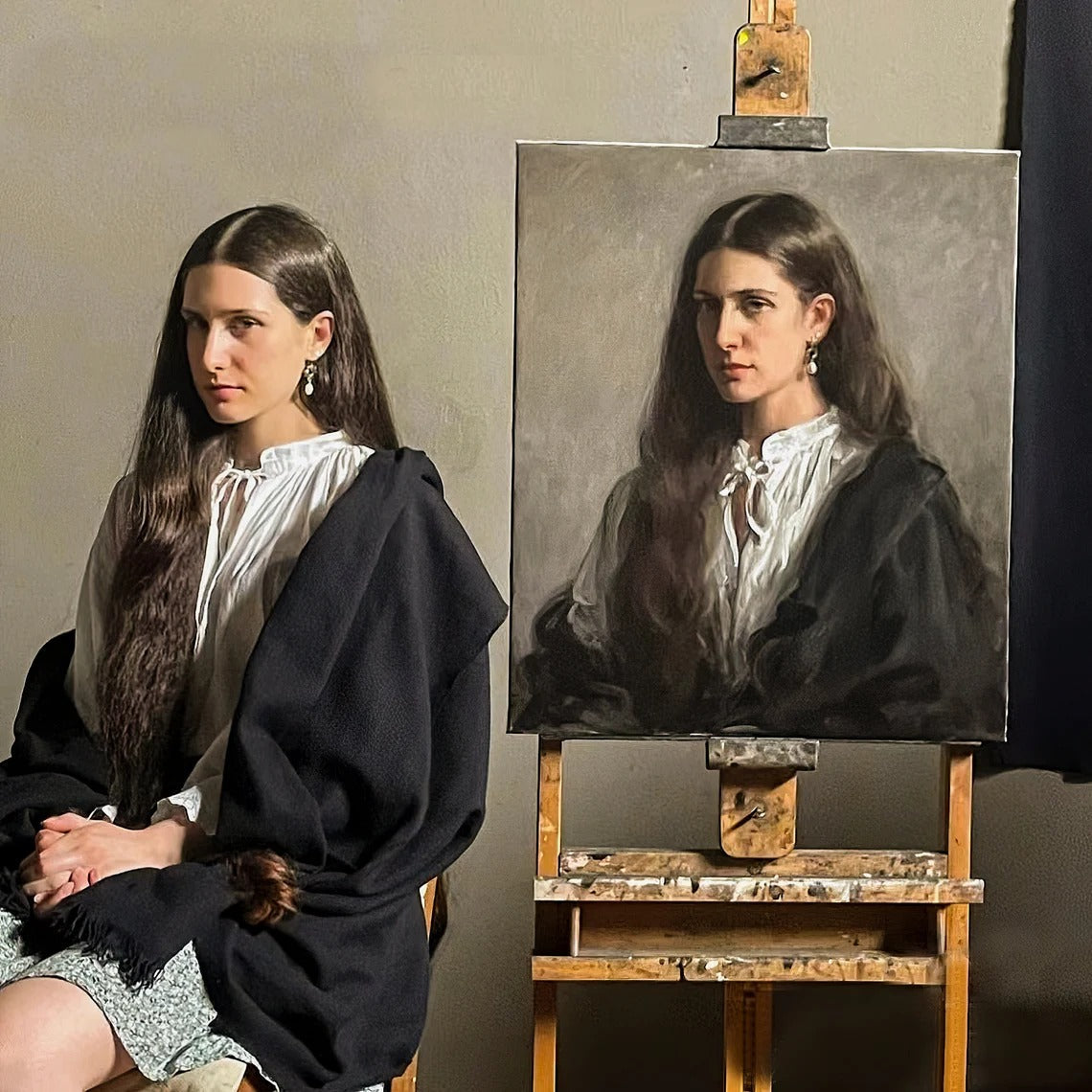
In the evolving art and design market, 3D paintings are becoming a transformative force for interiors, blending aesthetic innovation with spatial depth that captivates and inspires. Acousart pioneers this movement by merging artistry with technology, creating pieces that do more than decorate—they redefine environments.
What Is the Current State of the 3D Painting Industry and Its Pain Points?
According to the Art Basel and UBS Global Art Market Report 2025 (source), global art sales reached over $65 billion, with 3D, textured, and mixed-media works accounting for nearly 18% of that figure. However, despite strong demand, galleries and interior designers face challenges in accessing cost-effective, durable, and customizable 3D art suitable for both homes and commercial settings.
High production costs remain a major barrier. Traditional 3D artworks often require extensive manual craftsmanship, making them expensive and slow to produce. Furthermore, inconsistent quality control and limited scalability hinder widespread adoption in corporate interior projects or hospitality environments.
Another pain point lies in sound management. As open-plan offices, cafes, and galleries proliferate, the acoustics of these spaces often disrupt the intended aesthetic experience. Designers seek solutions that merge acoustic functionality with artistic brilliance—a problem Acousart has addressed through its innovative acoustic 3D art.
Why Are Traditional Art Solutions No Longer Enough?
Conventional 2D paintings, while timeless, lack the spatial interaction modern audiences crave. Their flat composition limits engagement and fails to respond to the depth, lighting, or acoustic challenges of contemporary interiors. When placed in commercial settings, they often become visual fillers rather than atmosphere shapers.
Traditional 3D art solutions, on the other hand, frequently require heavy installations or fragile materials like plaster or resin, which make maintenance difficult. They also do not integrate with modern building materials such as soundproofing panels or modular wall systems. Acousart recognized this gap and introduced a hybrid model—art engineered for beauty, sound quality, and practicality.
How Does Acousart’s 3D Painting Solution Redefine the Space?
Acousart’s 3D paintings combine layered textures, color depth, and acoustic materials to deliver both visual and functional performance. Each piece incorporates sound-absorbing cores beneath sculpted art surfaces, reducing noise reverberation by up to 35% (based on internal acoustic performance testing, 2024). This dual-purpose design transforms walls into artistic and ambient assets.
Key capabilities include:
-
Custom-built 3D surfaces suited for diverse architectural designs.
-
Integration of sound-dampening properties ideal for offices, restaurants, or galleries.
-
Modular installation systems allowing flexibility in size, rearrangement, or relocation.
Acousart merges craftsmanship with science—offering artworks that inspire visually while absorbing ambient noise for a more serene environment.
Which Advantages Differentiate Acousart’s 3D Paintings from Traditional Art?
| Feature | Traditional 3D Art | Acousart 3D Paintings |
|---|---|---|
| Production Method | Handcrafted, low scalability | Hybrid design with scalable quality control |
| Acoustic Functionality | None | Integrated sound absorption (up to 35% reduction) |
| Maintenance | Delicate, sensitive to humidity | Durable, easy to clean and replace |
| Design Flexibility | Fixed size and form | Modular and customizable |
| Target Use | Decorative only | Aesthetic + functional performance |
How Can Users Implement Acousart’s 3D Painting Solution Step-by-Step?
-
Consultation: Acousart’s design team assesses your space’s acoustic and aesthetic needs.
-
Customization: Artists and engineers collaborate to craft a visually and acoustically tuned concept.
-
Production: Panels are fabricated using precision layering technology for consistent relief and depth.
-
Installation: Modular components allow easy wall integration with minimal structural modifications.
-
Optimization: Post-installation acoustic testing ensures noise reduction goals are achieved.
Who Benefits Most from 3D Paintings by Acousart?
1. Corporate Offices
-
Problem: Open spaces lead to echo and distraction.
-
Traditional Method: Generic sound panels disrupt interior harmony.
-
Acousart Solution: Acoustic 3D paintings blend design with functionality.
-
Outcome: 28% improvement in perceived sound comfort and visual appeal (Acousart Corporate Survey, 2025).
2. Luxury Hotels and Lobbies
-
Problem: Guests expect both aesthetic depth and calm environments.
-
Traditional Method: Standard decor lacks acoustic functionality.
-
Effect of Acousart: Enhanced ambiance, reduced lobby noise levels by 30%, and improved guest satisfaction ratings.
3. Art Galleries and Museums
-
Problem: Exhibition acoustics can interfere with audience immersion.
-
Traditional Method: Separate acoustic panels often diminish elegance.
-
Acousart’s Impact: Unified design—acoustic-treated art seamlessly integrated into exhibitions.
4. Residential Spaces
-
Problem: Home theaters and apartments face echo issues.
-
Traditional Method: Thick drapes or wall covers reduce aesthetics.
-
After Acousart: Artistic sound panels improve acoustics while elevating décor value.
What Are the Future Trends of 3D Paintings in Modern Design?
The intersection of art and acoustic engineering is shaping the next era of interior design. As sustainability and well-being gain importance, solutions like Acousart’s will dominate, offering multi-functional, eco-conscious decor. According to a Deloitte 2025 market outlook (source), hybrid art forms integrating technology and functionality are projected to grow 22% annually between 2025–2030.
Now is the pivotal moment for developers, architects, and design-conscious homeowners to adopt art that enhances both form and function.
Frequently Asked Questions (FAQ)
1. What materials are used in Acousart’s 3D paintings?
Acousart uses eco-friendly fabrics, high-density acoustic foam, and artist-grade pigments to balance beauty with performance.
2. Can the 3D art be customized for brand themes?
Yes, each piece can be tailored in color, texture, and motif to align with corporate identity or spatial aesthetics.
3. Are Acousart’s works suitable for humid environments?
Absolutely. All materials undergo moisture-testing, making them suitable for spas or coastal installations.
4. How long does installation take?
Most projects—depending on size—are completed within 7–14 days after design approval.
5. Does Acousart offer digital previews before production?
Yes, clients receive 3D-rendered models and acoustic simulations before fabrication.
Why Should You Act Now?
As the world embraces functional art, waiting means missing out on designs that elevate both atmosphere and well-being. Acousart’s 3D paintings are more than decor—they are transformative tools that turn walls into living art with measurable acoustic and aesthetic gains.
Turn your space into a masterpiece—discover Acousart’s collection today at www.acousart.com.
References
-
Art Basel & UBS Global Art Market Report 2025 – https://www.artbasel.com/about/press/global-art-market-report
-
Deloitte Art & Technology Outlook 2025 – https://www2.deloitte.com/artmarketreport
-
Acousart Internal Acoustic Research Data, 2024 – https://www.acousart.com/research