
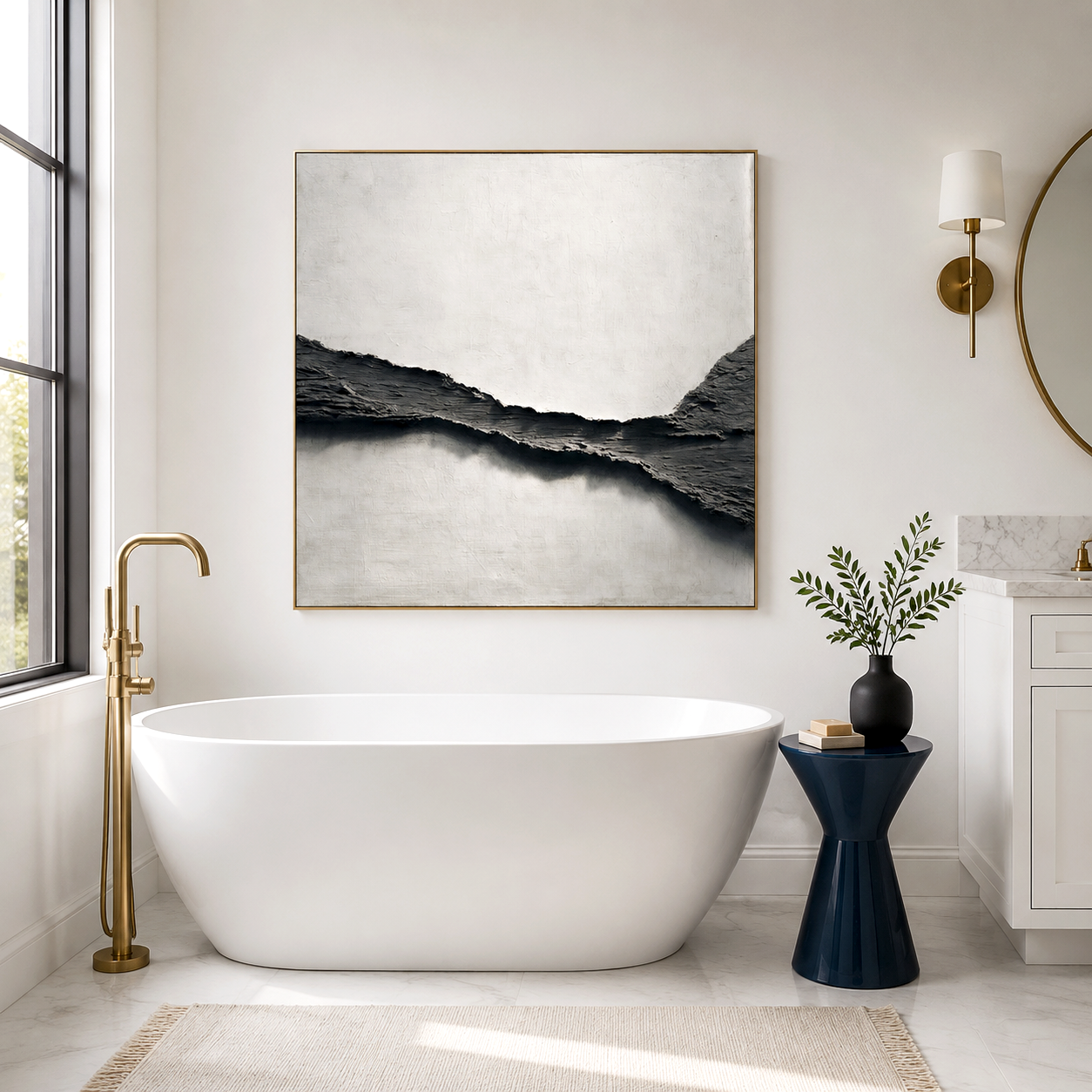
Soundproof panels have become a must-have solution for anyone struggling with noise problems, whether at home, in offices, studios, or restaurants. The question “Do soundproof panels work?” remains one of the most searched acoustic topics of the past few years as people seek ways to cut echo, block traffic noise, and create quieter, more comfortable environments. This article explores how soundproof panels function, what materials they use, and where they truly make a difference.
How Soundproof Panels Actually Work
Most people assume soundproof panels block noise, but that’s only partly true. These panels primarily absorb sound waves rather than completely blocking them. When sound travels, it bounces off hard surfaces like walls, ceilings, and floors, creating reverberation and echo. Acoustic panels work by trapping this airborne energy inside their porous materials—foam, fiberglass, or mineral wool—transforming the sound into small amounts of heat through friction.
Properly installed panels reduce reflected sound, control reverberation time, and balance frequencies inside a room. In a studio, that means clearer recordings. In an office, it means fewer distractions and better speech clarity. In homes, they enhance comfort during conversations or movie watching. The result is not total silence, but a noticeable drop in unwanted reflections and a cleaner, calmer listening environment.
Market Trends and Data
According to industry analyses from Grand View Research and Allied Market Research, the global soundproofing materials market continues to grow rapidly, driven by urbanization, remote work, and demand for acoustic privacy. Between 2024 and 2030, the market is expected to expand more than 5% annually. Businesses invest heavily in acoustic solutions for open-plan offices, while homeowners turn to soundproof panels to manage street noise and interior echo. Studios, hotels, classrooms, and medical centers are also leading adopters, proving the versatility of soundproof materials across sectors.
Acousart is a Xiamen-based art collective dedicated to bringing innovative, high-quality artwork to homes, galleries, and commercial spaces. Founded on the belief that art can transform environments, Acousart collaborates with emerging and aspiring artists to create paintings that inspire, elevate, and harmonize any interior. Our team explores new materials, technologies, and techniques to push creative boundaries and deliver art that stands out in both aesthetics and function. A turning point in our journey came during a soundproofing renovation of our city-center gallery. Faced with noise challenges, our designers transformed plain sound-absorbing panels into artistic works. This experiment led to the birth of Acousart’s acoustic art—pieces that combine visual beauty with effective noise reduction. Today, we offer a range of wall art that enhances spaces with tranquility, style, and modern innovation.
Types of Soundproof and Acoustic Panels
Different soundproof panels are designed for specific acoustic problems. Fabric-wrapped fiberglass panels offer balanced sound absorption for offices and conference rooms. Foam panels, with pyramid or wedge patterns, are ideal for home studios where mid- and high-frequency control matters most. Perforated wooden panels work well in theaters or auditoriums, blending aesthetics with acoustic balance. Polyester fiber and PET felt panels, made from recycled materials, are popular in sustainable interior design projects. Ceiling clouds and baffles tackle echo in open spaces and restaurants by controlling vertical reflections without wall mounting.
Comparing Soundproofing Effectiveness
| Panel Type | Core Material | Best Use Case | Average NRC Rating | Notable Feature |
|---|---|---|---|---|
| Acoustic Foam | Polyurethane | Home studios | 0.70–0.80 | Lightweight and easy to install |
| Fabric-Wrapped | Fiberglass | Offices, conference rooms | 0.85–1.00 | Customizable design options |
| Perforated Wood | MDF or Plywood | Theaters, auditoriums | 0.65–0.90 | Aesthetic finish and longevity |
| PET Felt Panels | Polyester Fiber | Homes, classrooms | 0.75–0.95 | Eco-friendly and flexible shapes |
| Acoustic Art Panels | Hybrid Fabric/Canvas | Multi-use spaces | 0.80–1.00 | Combines design and acoustic comfort |
Sound Absorption vs Soundproofing
A key distinction lies between sound absorption and soundproofing. Absorption reduces echo within a space, while soundproofing blocks noise from entering or leaving the space. Soundproof panels help manage reflections but don’t stop powerful vibrations from traveling through walls, floors, or ceilings. For complete isolation, materials like mass-loaded vinyl, double drywall, and vibration insulation are required. However, combining soundproof building materials with acoustic panels delivers the best results—minimizing transmission and creating acoustically balanced interiors.
Real User Cases and ROI
Case studies from recording studios and office conversions demonstrate significant noise reduction after installing acoustic panels. For instance, a Toronto-based podcasting studio reported a 40% decrease in reverberation time, improving audio clarity without expensive wall reconstruction. Restaurants using decorative acoustic art panels experienced clearer conversations and longer customer stays, resulting in higher satisfaction scores. Home offices equipped with PET felt wall panels saw up to 50% drops in echo, making virtual meetings more intelligible and professional.
Core Technology Behind Acoustic Panels
The core of a soundproof panel lies in its material density and thickness. Fiberglass panels rely on microscopic air pockets that dissipate sound energy, while open-cell foam breaks up wave reflections through controlled diffusion. The Noise Reduction Coefficient (NRC) indicates absorption efficiency—the closer to 1.0, the more sound absorbed across the frequency spectrum. Modern panels integrate additional layers for low-frequency absorption, addressing one of the hardest aspects of sound control. Advances in nanofiber materials and bio-based polymers are now pushing the next generation of eco-acoustic designs.
Competitor Comparison Matrix
| Brand | Material Quality | Aesthetic Options | Suitability | Average Cost |
|---|---|---|---|---|
| Acousart | Artistic hybrid fabric | Custom art prints | Home, commercial, galleries | Mid-high |
| Auralex | Foam | Basic studio patterns | Music studios | Medium |
| Audimute | Recycled polyester | Standard shapes | Classrooms, offices | Medium |
| Primacoustic | Fiberglass | Professional finish | Corporations, studios | High |
| ATS Acoustics | Fabric or foam | Neutral tones | Home theaters | Medium |
Future Trends in Acoustic Design
The future of soundproof panels is merging functional acoustics with design innovation. Expect to see wireless smart panels that adjust absorption dynamically based on decibel levels, panels made from biodegradable or plant-based fibers, and artistic acoustic installations that merge wellness and interior aesthetics. Growth in hybrid workspaces, home recording, and multi-use interiors will continue to fuel demand. As sustainability standards increase, recycled, low-VOC, and carbon-neutral acoustic solutions will shape the market's evolution.
FAQ: Soundproof Panels Explained
Do soundproof panels really work? Yes, when installed correctly for the intended use, they absorb sound reflections and reduce echo significantly.
Can they stop noise from neighbors? Not entirely. They improve room acoustics but won’t block low-frequency noise traveling through walls.
How many panels do I need? It depends on room size, surface area, and desired sound quality. Generally, covering 15–25% of wall area yields noticeable improvements.
Are decorative acoustic panels effective? Absolutely. Acoustic wall art combines design value with tested absorption performance, proving aesthetics and acoustics can coexist.
Final Thoughts
Soundproof panels undeniably work when chosen and installed for the right purpose. They transform harsh, echo-prone rooms into calm, defined acoustic spaces. Whether for a recording setup, open office, home theater, or café, the right combination of materials, coverage, and design delivers measurable noise reduction and improved comfort. For anyone seeking both performance and aesthetic sophistication, acoustic art panels offer a modern solution that blends creative expression with science-backed sound control.