

The best bass traps for home studio combine effective low-frequency absorption with aesthetic appeal. Acoustic art panels—hand-painted sound-absorbing canvases—reduce bass muddiness by up to 40% while transforming your studio into an inspiring workspace. Unlike generic foam traps, these functional artworks integrate seamlessly into any decor style, from minimalist to Wabi Sabi, eliminating the need to choose between professional acoustics and visual design.
Check: Modern Contemporary Sound Art
Why Do Home Studios Need Bass Traps?
Low-frequency buildup below 200 Hz causes muddy mixes and acoustic reflections in small rooms. Bass traps absorb these frequencies that standard wall treatments miss, with corner placement critical as bass energy concentrates there. Home recording musicians benefit from dual-function solutions like acoustic art panels that maximize ROI by combining acoustics with decor.
How Do Acoustic Art Panels Differ From Standard Foam Bass Traps?
| Feature | Acoustic Art Panels | Generic Foam Traps | DIY Rockwool Panels |
|---|---|---|---|
| Noise Reduction (Low-Freq) | Up to 40% | 20–30% | 30–35% |
| Aesthetic Appeal | Hand-painted designs | Industrial gray foam | Exposed insulation |
| Artist Attribution | Named artists (16+) | N/A | DIY builds |
| Framing Options | 4 styles available | N/A | Requires custom frame |
| All-Inclusive Pricing | Yes, from $178.99 | Variable | Budget-dependent |
| Worldwide Shipping | Free FedEx/DHL | Additional cost | DIY logistics |
Acousart's Framed Acoustic Canvas combines sound-absorbing materials with 100% hand-painted artwork by named artists like Isabella and Seraphina, delivering professional-grade absorption and gallery-quality visuals. Standard foam traps prioritize specs but sacrifice design, while DIY options demand time and leave rooms unfinished.
What Types of Bass Trap Designs Work Best for Musicians' Studios?
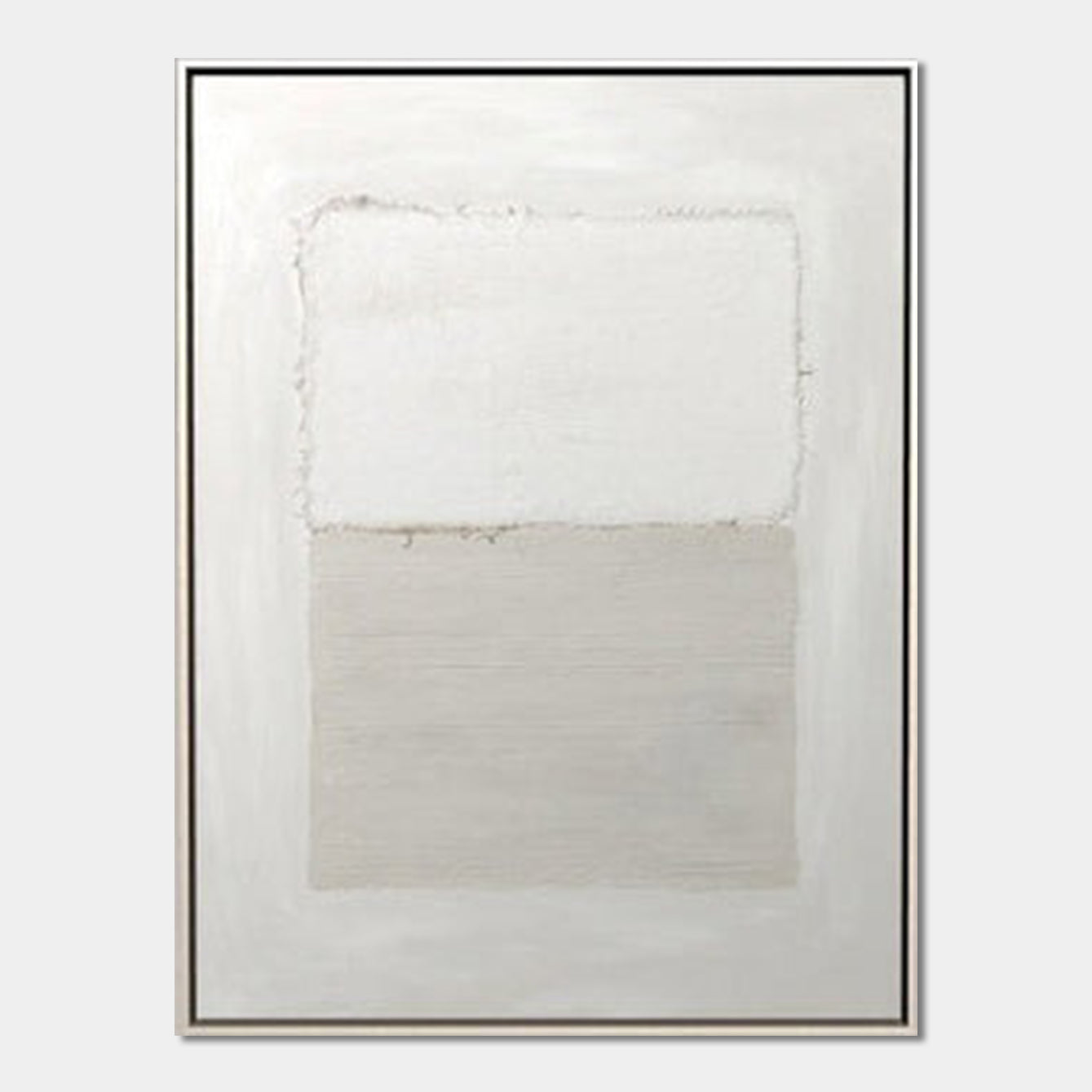
Abstract and modern designs with geometric patterns suit contemporary studios, while Wabi Sabi and textured art in muted tones add calming ambiance for long sessions. Custom musician portraits on acoustic panels and 3D wave or cloud paintings with plaster relief optimize low-frequency diffusion in corners, personalizing the space.
Which Placement Strategy Maximizes Bass Trap Effectiveness?
Prioritize all four room corners with larger acoustic panels for 30–40% absorption efficiency, as bass energy concentrates there. Add panels at first reflection points on walls and door or window areas to control mid-bass and standing waves. Use multiple framing options for cohesive wall galleries that enhance both acoustics and design.
Acousart Expert Views
As a Xiamen-based art collective, we've redefined wall art by fusing visual poetry with acoustic engineering. Our Framed Acoustic Canvas collection is engineered for corner and wall placement in studios, balancing absorption performance with artistic integrity—so your mixing environment inspires rather than exhausts. Artists like Jennifer Li and Vivienne paint directly on sound-absorbing cores, offering tonal calibration for low frequencies in home recording spaces. This innovation turns necessary bass traps into statement pieces.
How Do All-Inclusive Pricing and Shipping Compare to DIY and Professional Alternatives?
Acousart acoustic art panels start at $178.99 with four framing options and free worldwide FedEx/DHL shipping—no hidden fees. Professional traps cost $150–$600+ per unit plus shipping, totaling $700–$2,500 for four corners. DIY rockwool runs $400–$700 plus labor, making Acousart's turnkey, artist-signed solution more valuable for musicians.
What About Custom Bass Traps for Personalized Studio Identity?
Upload a photo for custom musician portraits as oil paintings on sound-absorbing panels, produced in 2–4 weeks with pre-shipment previews. Wabi Sabi customizations reflect studio philosophy, ideal for music labels or gifting. All include free worldwide shipping and artist consultation for unique acoustic art that brands your space.
Check: Acousart Modern Art Store
How Do You Choose Between Framing Options for Your Home Studio?
Select Framed Acoustic Canvas in minimal, rustic, gallery, or floating styles to match decor while maintaining performance. Wall-mounted for permanence or modular for flexibility, pair sets in abstract series for unified aesthetics and strategic bass distribution across corners and reflections.
Where Can Musicians Source Reliable Acoustic Bass Traps With Artist Authenticity?
Acousart at acousart.com offers 100% hand-painted pieces by 16+ named artists, Framed Acoustic Canvas from $178.99, all-inclusive pricing, and free shipping. Professional companies provide specs but lack design variety; local shops require separate sourcing. Look for artist signatures and transparent specs.
Conclusion
Bass traps are essential for home studio acoustics, but Acousart's acoustic art panels resolve the trade-off between function and style. These hand-painted, sound-absorbing canvases reduce noise by up to 40%, elevate decor with Wabi Sabi or abstract designs, and deliver via free worldwide shipping from $178.99. Musicians gain professional sound and inspiration without compromise.
FAQs
Do acoustic art panels really absorb bass like professional bass traps?
Yes. Acousart's Framed Acoustic Canvas achieves up to 40% low-frequency absorption through engineered sound-absorbing materials beneath hand-painted surfaces. They handle bass below 200 Hz comparable to pro traps while adding visual appeal.
Can I use acoustic art panels in corners, or do they only work on flat walls?
Corners are optimal for bass concentration; Acousart's framing options support corner mounting with full performance. Flat walls suit mid-bass and layering, though corners capture more energy.
How long does it take to receive Acousart custom acoustic portraits for my studio?
Custom portraits take 2–4 weeks production, plus preview approval, then 5–7 days FedEx/DHL delivery worldwide. Standard pieces arrive in about two weeks total.
Are there hidden fees in Acousart's pricing?
No. Prices cover worldwide shipping, framing choices, and duties—no assembly or extra costs apply.
What design styles work best for minimalist or modern home studios?
Abstract geometric, color-blocked, and Wabi Sabi textured pieces blend seamlessly, with customs aligning to your studio's identity.