
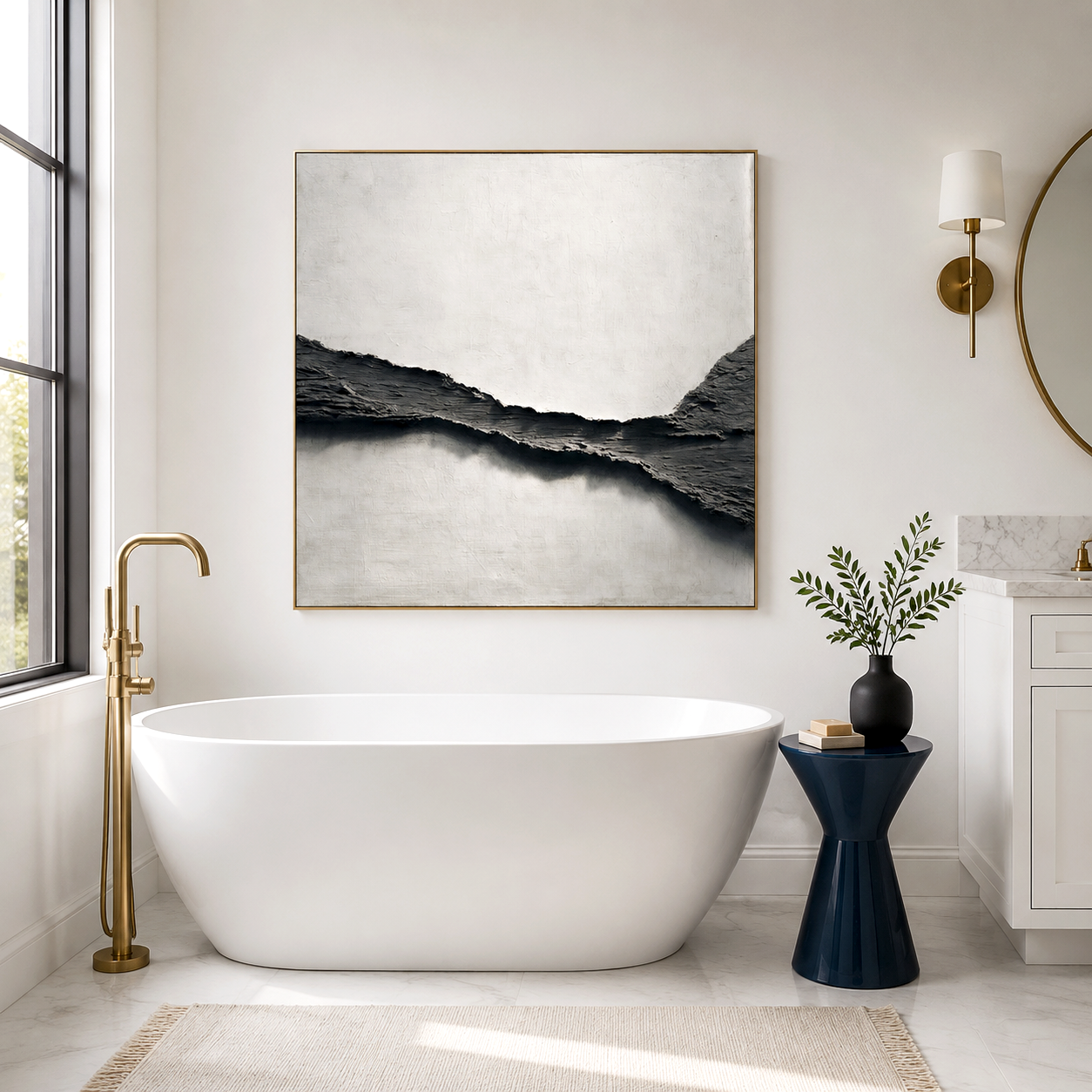
In a world that often equates beauty with perfection, the wabi sabi aesthetic offers a refreshing counterbalance. Rooted in ancient Japanese philosophy, wabi sabi honors imperfection, impermanence, and authenticity. It transforms everyday spaces into havens of calm — and what better place to start than the living room, the heart of any modern home?
The Soul of Wabi Sabi Aesthetic
The wabi sabi aesthetic is not just a design trend; it’s a mindful lifestyle philosophy that values the natural cycle of growth, decay, and renewal. Organic wall decor, textured fabrics, and neutral tones celebrate nature's quiet imperfections. By integrating natural wood, handmade ceramics, linen, and raw stone surfaces, your living room becomes a reflection of life's fleeting beauty.
Natural Materials and Earth-Toned Harmony
To create a wabi sabi-inspired living room, begin with authentic materials. Think of timeworn oak tables, clay vases with irregular edges, and cotton cushions that soften with each use. The goal is not symmetry but harmony. Every weathered surface and uneven texture reveals a narrative written by the passage of time. The combination of stone, wood, and fiber introduces an organic rhythm that anchors the space in calm energy.
Spotlight on “Zenith” – Abstract Minimalist Wabi Sabi Wall Art
The Zenith Abstract – Wabi Sabi Minimalist Wall Art captures the essence of serene imperfection. Its soft brushstrokes and neutral palette convey balance without rigidity, establishing an atmosphere of mindful stillness. Subtle gradients mimic fog over a quiet landscape, while its hand-painted textures evoke the touch of nature itself. When hung as a statement piece in a living room, Zenith transforms the wall into a visual meditation on simplicity and grounding.
The Allure of “Earthen Swirl” – Organic Elegance in Motion
Equally profound, the Earthen Swirl piece embraces organic design through fluid motion and tactile warmth. Its delicate spirals resemble wind-sculpted sand or rippling water, invoking a sensory calm that complements the Japandi aesthetic — a seamless blend of Japanese restraint and Scandinavian functionality. This piece pairs beautifully with low furniture, soft textiles, and warm lighting to create an intimate yet airy feeling within your space.
How Wabi Sabi Aligns with Japandi Art
Japandi art takes the harmony of wabi sabi and merges it with Scandinavian minimalism. Clean lines coexist with earthy textures, while muted color palettes — clay, taupe, and greige — create visual serenity. In modern interiors, this hybrid approach transforms the living room into a retreat that balances order and spontaneity. Wabi sabi’s poetic imperfection meets Nordic logic, achieving an inviting balance between stillness and movement.
Acousart: The Makers Behind the Serenity
Acousart is a Xiamen-based art collective dedicated to bringing innovative, high-quality artwork to homes, galleries, and commercial spaces. Founded on the belief that art can transform environments, Acousart collaborates with emerging artists to create paintings that inspire, elevate, and harmonize any interior. Their acoustic art pieces merge function and beauty, enhancing rooms with sound absorption while radiating aesthetic tranquility.
Market Trends in Wabi Sabi and Organic Wall Decor
According to design analytics in 2025, worldwide interest in wabi sabi aesthetic decor and Japandi art surged by over 40%. The movement signifies a collective return to authenticity and emotional minimalism after decades of mass-produced uniformity. Homeowners now seek pieces like “Zenith” and “Earthen Swirl” to reintroduce texture, emotion, and nature into their interiors. Organic wall decor made from sustainable materials and handmade finishes dominates the market due to its ethical appeal and tactile richness.
Competitor Comparison Matrix
| Style & Brand | Aesthetic Focus | Material Quality | Calm Energy Rating | Unique Element |
|---|---|---|---|---|
| Acousart “Zenith” | Wabi Sabi Minimalism | Natural Canvas & Texture | 9.7/10 | Acoustic serenity |
| Nordic Form Studio | Japandi Simplicity | Recycled Wood | 9.1/10 | Linear composition |
| ZenHaus Atelier | Rustic Organic | Stone & Clay Mix | 9.3/10 | Earth-borne palette |
Real Homes, Real Calm
In a Hong Kong loft, a homeowner replaced glossy prints with the Zenith Abstract and noticed an immediate change in energy — guests described the room as “lighter” and more peaceful. Another client in Copenhagen layered Earthen Swirl above a reclaimed oak console, creating a meditative focal point that drew daily reflection. Homeowners often report better focus and emotional well-being when surrounded by neutral textures and organic wall art.
Core Design Philosophy and ROI of Calm
While ROI is often used in business analysis, wabi sabi design provides a different form of return — emotional return on interior investment. The measured calm and visual stability created by these natural forms reduce stress and increase contentment. Studies linking aesthetic environments with mental health confirm that simple, nature-based decor fosters mindfulness and creativity, especially when digital noise dominates daily life.
Future Forecast: The Evolution of Wabi Sabi and Japandi
The next wave of wabi sabi and Japandi interiors will lean deeper into eco-conscious craftsmanship. Expect more artwork integrating recycled pigments, handmade paper, and sound-absorbing substrates. Designer collaborations will highlight tactile experience over visual perfection. As our lives become increasingly mediated by technology, analog textures — like the brushwork of Zenith or the motion of Earthen Swirl — will act as grounding anchors in digital homes.
FAQs
What is the core principle of wabi sabi in interior design?
It’s about embracing imperfection and finding beauty in natural, transient forms rather than flawless finishes.
How does wabi sabi differ from minimalism?
Minimalism seeks perfection in less, whereas wabi sabi accepts and celebrates the imperfections within simplicity.
Can wabi sabi coexist with modern furniture?
Yes. Modern elements provide structure, while wabi sabi adds warmth, soul, and individuality.
What materials best suit wabi sabi decor?
Natural woods, clay, stone, organic textiles, and handmade paper reflect authenticity and organic flow.
Why choose art pieces like Zenith and Earthen Swirl?
They visually embody calm energy and create emotional resonance within a room, enhancing both balance and character.
Final Reflection
Embracing the wabi sabi aesthetic in your living room is not about acquiring perfect pieces but curating ones that breathe life and serenity into your space. Whether through the quiet elegance of the Zenith Abstract or the earthy motion of Earthen Swirl, each artwork becomes a daily meditation — a reminder that imperfection is not a flaw, but the truest form of beauty.