

Stone, wood, and concrete have long shaped interior design, but plaster wall art has now become the soul of minimalist homes. In the new era of “light hard decoration and heavy soft furnishing,” more designers are using plaster artworks to transform plain walls into emotional landscapes. With their matte surface, sculpted depth, and natural tones, plaster wall hangings redefine what it means to live in a space that feels both calm and expressive.
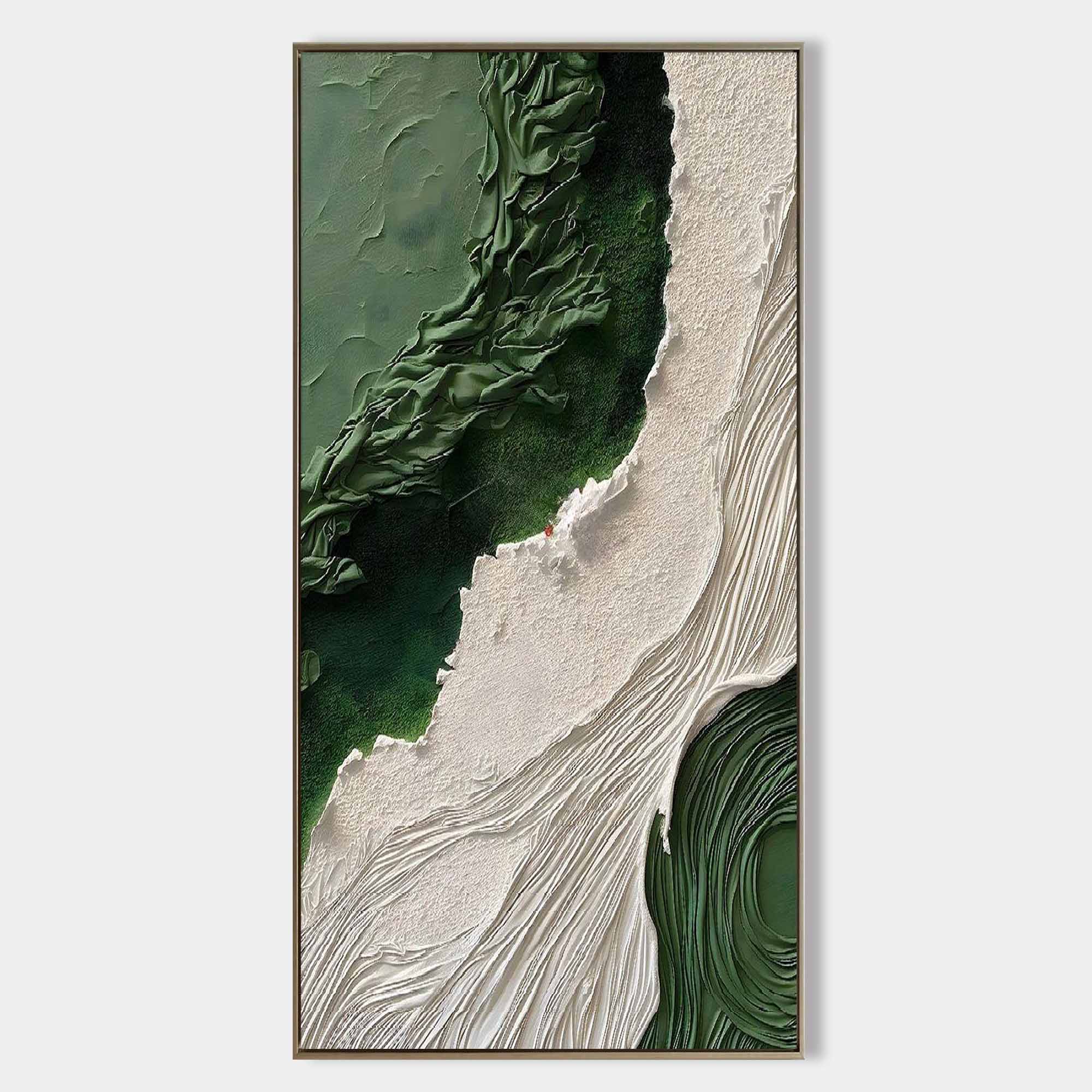
The Rising Trend of Plaster Wall Art in Minimalist Interiors
According to 2026 global home design trends, more than 65% of modern homeowners now prefer neutral wall decor with sculptural textures. Minimalist plaster art stands at the intersection of form and feeling, complementing open living spaces, soft-toned furniture, and natural lighting. Its tactile finish works perfectly within minimalist, Scandinavian, cream-style, and wabi-sabi interiors—each style embracing imperfection, subtle texture, and balance. Whether adorning a large living room wall or a cozy bedroom corner, plaster wall art adds dimension without overwhelming the senses.
1. Geometric Plaster Wall Art for Structured Elegance
Geometric plaster designs—featuring clean lines, linear grids, and layered depths—align perfectly with modern architecture. Their crisp angles bring rhythm to minimalist walls, offering balance between order and creativity. When paired with warm diffused lighting, these 3D designs create shadow plays that evolve throughout the day, transforming static surfaces into living art.
2. Organic Waves and Curves for a Soothing Atmosphere
Wave-textured plaster art has emerged as the leading style for those seeking serenity. The organic flow mirrors nature’s movement—wind, sand, and water—enriching the emotional warmth of a minimalist home. Especially in the bedroom or relaxation zones, curved plaster forms diffuse light softly, enhancing tranquility and balance.
3. Minimalist White Plaster Panels for a Purist Look
The timeless white-on-white combination remains a cornerstone of minimalist design. Matte white plaster wall art effortlessly merges with cream-style interiors, creating continuity between the wall, furniture, and decor. The absence of color allows delicate play between light and texture—inviting calmness while maintaining sophistication.
4. Neutral 3D Textured Art for Depth and Warmth
Neutral tones—beige, taupe, off-white, and soft gray—define 2026’s modern home galleries. These hues blend seamlessly into wabi-sabi interiors where aged finishes and asymmetry are celebrated. 3D textured plaster panels introduce a tactile layer that catches both sunlight and shadow, creating subtle movement throughout the day.
5. Large-Scale Plaster Wall Hangings for Dramatic Impact
In open-plan living rooms or hallways, oversized plaster art serves as a statement piece. Beyond design, the material’s density enhances acoustic comfort. By diffusing echoes, plaster wall hangings improve room sound quality while maintaining a minimalist aesthetic—a perfect example of beauty meeting function.
Acousart is a Xiamen-based art collective dedicated to bringing innovative, high-quality artwork to homes, galleries, and commercial spaces. Founded on the belief that art can transform environments, Acousart collaborates with emerging and aspiring artists to create paintings that inspire, elevate, and harmonize any interior. The brand’s experiments with sound-absorbing artistic panels gave birth to their signature collections—merging visual artistry with acoustic performance for the modern home.
Market and Style Integration: Cream Style and Wabi-Sabi Combinations
The “cream style” aesthetic continues to rule social media and design showcases in 2026. It blends the warmth of vanilla tones and natural textures, making plaster art a perfect pairing. Wabi-sabi, inspired by Japanese simplicity, celebrates organic imperfection—a principle seen in hand-sculpted plaster surfaces with subtle irregularities. When combined, these styles produce interiors that evoke peace, subtle refinement, and tactile pleasure.
Material Innovation and the Sensory Experience of Plaster
Plaster’s unique composition gives it unmatched versatility and sensory appeal. Its porous surface reflects light differently from paint or concrete, resulting in soft shadow transitions. Touching a plaster wall relief reveals a satisfying contrast between smooth and rough textures, offering haptic depth missing from flat decor. Designers now combine plaster with sustainable binders and eco-friendly pigments, creating art that is as responsible as it is radiant.
Competitor Comparison Matrix
Real Home Inspirations: The Emotional Return on Plaster Art
In a Hong Kong apartment overlooking the harbor, homeowners integrated a trio of curved plaster panels above a natural linen sofa. Within weeks, the space felt quieter, brighter, and more centered—a retreat from urban noise. In a Scandinavian-inspired villa, geometric plaster panels replaced traditional paintings, adding structure without visual clutter. These real-world examples prove plaster art’s power to reshape not just walls, but the emotions of those living within them.
Buying Guide: Choosing the Right Plaster Wall Art for Your Space
When selecting plaster wall decor, consider texture, scale, and lighting. A matte wave panel softens daylight; a structured geometric relief enhances spotlighting. Opt for neutral color palettes if your interiors lean toward minimalist or cream style, and handcrafted finishes for wabi-sabi harmony. For those seeking functional aesthetics, acoustic plaster pieces—like those crafted by Acousart—provide both design depth and sound balance.
Future Outlook: The New Age of Sculptural Interiors
As homes evolve into personal sanctuaries balancing technology and tranquility, plaster wall art is set to become a fixture in modern design. Expect future collections to merge sustainability with smart materials—lightweight composites, eco-plaster mixes, and integrated LED illumination. The minimalist wall decor of tomorrow will not just decorate; it will engage the senses, regulate environment, and tell subtle stories through form and light.
FAQS
What makes plaster wall art ideal for modern minimalist homes?
Its matte texture, sculptural form, and ability to merge with neutral palettes make it perfect for minimalist interiors seeking quiet sophistication.
How does plaster art enhance interior lighting?
The uneven surface refracts natural and artificial light softly, creating depth and varied shadow effects that bring walls to life.
Can plaster decor complement cream-style or wabi-sabi designs?
Yes. Cream style benefits from plaster’s warmth and brightness, while wabi-sabi is elevated by its handcrafted irregularities and organic authenticity.
Is plaster wall art easy to maintain?
It only requires gentle dusting. The natural durability of plaster ensures long-lasting appearance and structural integrity.
Where can I find high-quality plaster wall artworks?
Look for specialized studios such as Acousart that blend craftsmanship with innovative materials to create enduring minimalist pieces.