
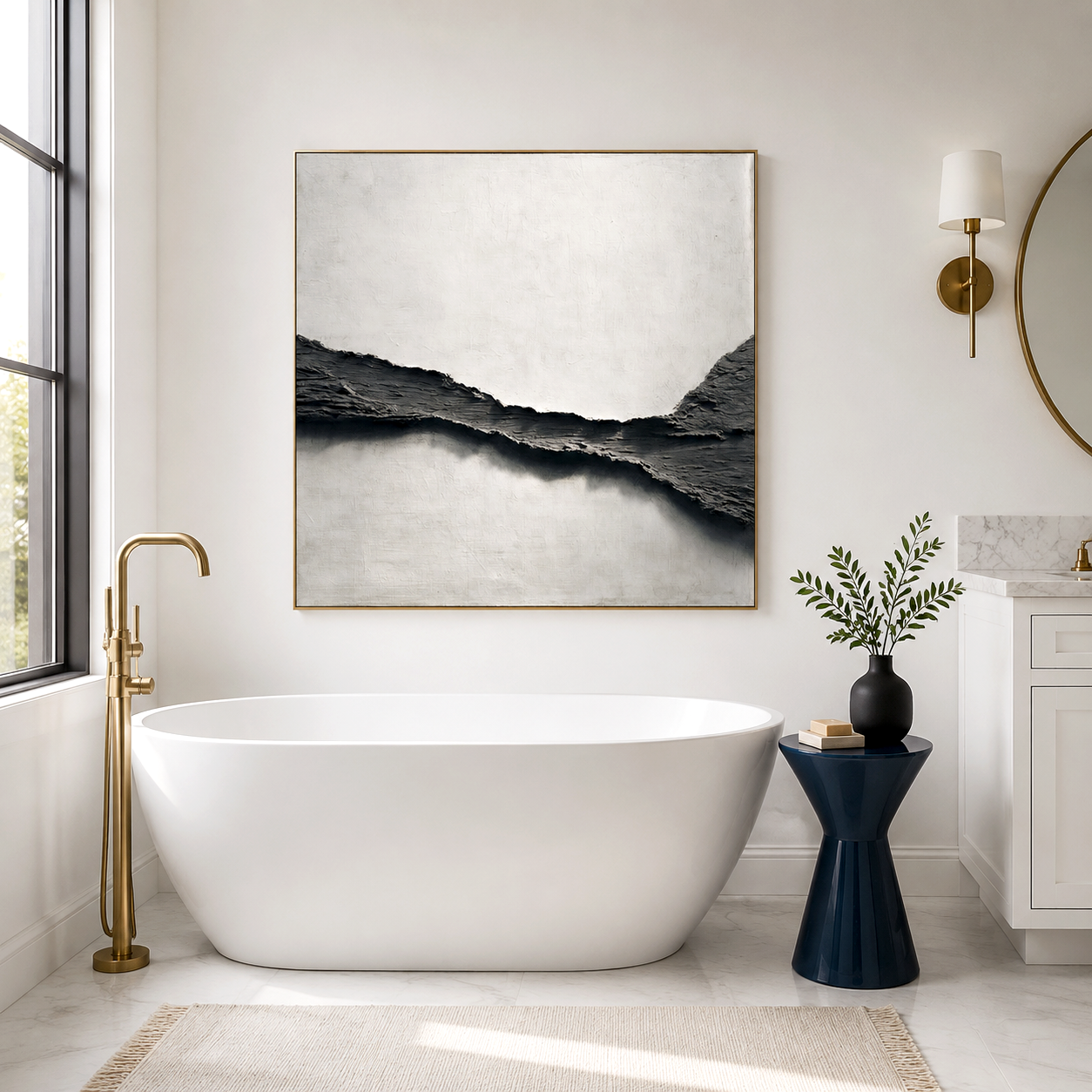
In 2026, home design is shifting toward meaning and mindfulness. Two aesthetics—Japandi and Wabi-Sabi—dominate social feeds and interior design studios worldwide. While both lean into Japanese minimalism, they express it differently. Japandi celebrates “order and warmth,” blending Scandinavian coziness with Japanese simplicity. Wabi-Sabi, by contrast, honors “beauty in imperfection,” embracing raw, natural forms and the quiet elegance of timeworn textures. Understanding each philosophy can help you decide which one suits your personality, lifestyle, and home best.
The Essence of Japandi Interior Design 2026
Japandi interior design in 2026 continues to rise as homeowners crave spaces that merge structure with serenity. Clean lines, neutral palettes, and functional layouts define the look, but what sets Japandi apart is its emotional warmth. Unlike strict minimalism, which can feel cold, Japandi infuses Scandinavian “hygge”—soft textiles, layered tones, natural wood—with the refined orderliness of Japanese interiors. The result is calm yet cozy, efficient yet inviting.
Designers often describe Japandi as a mindful aesthetic for modern living. Its furniture emphasizes craftsmanship, honest materials, and balance. Expect to see matte oak finishes, tatami-inspired floor textures, rounded edges, and paper lantern lighting. This style thrives in urban apartments as much as suburban homes, offering visual calm amid the digital rush of daily life.
Wabi-Sabi Wall Art and Interior Harmony
Wabi-Sabi takes a gentler path. Instead of perfection, it seeks authenticity. In a Wabi-Sabi-inspired home, walls tell quiet stories through muted paints, cracked ceramics, and uneven brush strokes. Materials are left unfinished—linen remains wrinkled, pottery slightly asymmetrical, and paint intentionally brushed by hand. These imperfect details remind us of time’s natural flow.
“Beauty in imperfection” lies at the core of Wabi-Sabi. It’s not about neglect or disorder—rather, it’s about allowing natural variation to define beauty. Wabi-Sabi wall art in 2026 often features earthy tones, soft gradients, and organic geometry. Think of clay-inspired sculptures, sand-textured canvases, and rice-paper panels that absorb and reflect light differently throughout the day.
Market Trends: Minimalism Redefined
According to 2025 trend data from global design agencies, searches for “Japandi interiors” rose over 150%, while “Wabi-Sabi wall decor” surged by 90%. This growth signals a continued rejection of mass production and a return to craftsmanship, sustainability, and emotional connection. Both aesthetics prioritize fewer, better objects—a philosophy that resonates deeply in a world craving stability and wellbeing.
Amid these design evolutions, Acousart emerges as a voice of innovation. Acousart is a Xiamen-based art collective dedicated to bringing high-quality artwork to homes and galleries. Their journey began with acoustic panels turned into functional art, transforming soundproofing into modern serenity. Today, their acoustic wall paintings unite Wabi-Sabi authenticity with Japandi’s calming precision—pieces that beautify while balancing acoustic comfort and aesthetic purity.
Core Comparison: Japandi vs Wabi-Sabi
| Style | Design Philosophy | Key Materials | Emotional Tone | Best For |
|---|---|---|---|---|
| Japandi | Balance, order, and comfort | Wood, bamboo, linen, matte ceramics | Tranquil yet warm | Minimalist living spaces, modern apartments |
| Wabi-Sabi | Imperfection and authenticity | Clay, stone, raw fabrics, textured plaster | Serene, poetic, nostalgic | Art studios, retreat homes, organic interiors |
Japandi is best for those who crave structure without sterility. Wabi-Sabi suits those drawn to storytelling, raw textures, and introspection. Both work beautifully when integrated through complementary color schemes—Japandi’s beige-gray foundations can easily embrace Wabi-Sabi’s earthy imperfections for a harmonious hybrid.
Real Homes and Transformation Stories
In Hong Kong and Copenhagen, trendsetters are blending the two styles to form hybrid interiors. One homeowner replaced synthetic decor with hand-thrown ceramic lighting to add Wabi-Sabi authenticity, then used Japandi shelving systems for order and balance. The result: lower stress, better focus, and a tactile sense of home. Studies on mindful interiors show that environments grounded in natural tone harmony can improve relaxation and sleep patterns by up to 30%.
How to Choose the Right Style for Your Home
Think about what atmosphere you want to live in.
-
If you seek emotional peace and tidy flow, Japandi delivers calm precision.
-
If you love storytelling through material and form, Wabi-Sabi captures soulful imperfection.
Don’t feel pressured to choose one. Mixing them is natural—the structured minimalism of Japandi can frame the organic artistry of Wabi-Sabi. A minimalist bamboo table beneath a textured clay mural creates contrast and warmth, echoing both philosophies.
The Future of Mindful Design
Looking ahead to 2027, design analysts forecast a higher demand for emotionally intelligent interiors. Japandi will evolve toward modular sustainability—furniture built for small-city living—while Wabi-Sabi will find new expression through recycled materials and handmade wall textures. Consumers are shifting focus from decor trends to emotional longevity, where every object has purpose and presence.
Core Technology and Sustainability
Japandi-inspired lighting now includes smart LED systems mimicking natural daylight, complementing eco-conscious materials sourced from bamboo, cork, and hemp. Meanwhile, Wabi-Sabi art innovations use earth pigments, biodegradable paints, and 3D clay printing to preserve raw authenticity while minimizing waste. Together, they redefine sustainability as both moral and aesthetic, where mindful living meets future-forward design.
Frequently Asked Questions
What Are the Key Differences Between Japandi and Wabi Sabi Design for 2026 Homes?
Japandi design blends Japanese minimalism with Scandinavian functionality, focusing on clean lines, warm woods, and balanced simplicity. Wabi Sabi design celebrates imperfection, raw textures, and natural aging. Choose Japandi for structured minimal spaces, or Wabi Sabi for organic, soulful interiors that highlight handmade materials and quiet authenticity.
How Can You Design a Calm Japandi Living Room?
Create a Japandi living room by using neutral colors, low-profile furniture, natural wood, and minimal décor. Prioritize functional pieces and open space to reduce visual noise. Add textured textiles and simple wall art to maintain warmth while keeping the environment uncluttered and balanced.
What Are the Core Principles of Wabi Sabi Home Design?
Wabi Sabi interiors focus on imperfection, simplicity, and natural materials. Use unfinished wood, clay ceramics, linen fabrics, and earthy tones to create an authentic atmosphere. Embrace asymmetry and handcrafted objects that show age and texture, allowing the space to feel calm, grounded, and deeply connected to nature.
How Do You Choose Wall Art for Japandi vs Wabi Sabi Interiors?
For Japandi interiors, choose minimalist artwork, balanced compositions, and soft neutral palettes. For Wabi Sabi spaces, select textured, organic, or imperfect art pieces with natural materials. Acoustic wall art from Acousart can enhance both aesthetics and reduce noise, creating a calmer and more harmonious interior.
Why Are Japandi and Wabi Sabi Leading Mindful Interior Trends in 2026?
Both styles support mindful living by emphasizing simplicity, natural materials, and intentional design. In 2026, homeowners seek interiors that reduce stress and clutter. Japandi offers structured minimalism, while Wabi Sabi encourages authenticity and imperfection, making both ideal for creating peaceful modern homes.
What Furniture Works Best for Japandi Interior Design?
The best Japandi furniture features clean lines, low profiles, and natural wood finishes. Choose multifunctional pieces, neutral upholstery, and minimal decoration. Focus on quality over quantity to maintain a calm, balanced layout that combines Scandinavian comfort with Japanese simplicity.
Which Natural Materials Define Wabi Sabi Interior Style?
Key Wabi Sabi materials include raw wood, stone, clay pottery, linen, and handmade ceramics. These materials highlight natural texture and aging, creating warmth and authenticity. Incorporating textured acoustic art panels from Acousart can also enhance atmosphere while helping maintain a quiet, tranquil environment.
Japandi or Wabi Sabi Which Style Is Better for Your Modern Home?
Choose Japandi if you prefer clean minimalism, organized spaces, and functional design. Choose Wabi Sabi if you value organic textures, imperfect beauty, and a relaxed natural atmosphere. Both styles promote mindful living, so the best choice depends on whether you prefer structure or natural spontaneity in your home.
Create Calm, Live Mindfully
Both Japandi and Wabi-Sabi invite you to live intentionally, free from clutter and pretense. Whether you choose symmetry or spontaneity, each design philosophy turns your home into a reflection of inner peace. Start with one piece—a handcrafted vessel, a minimalist acoustic art panel, or a textured painting—and let your surroundings mirror the serenity you seek.