
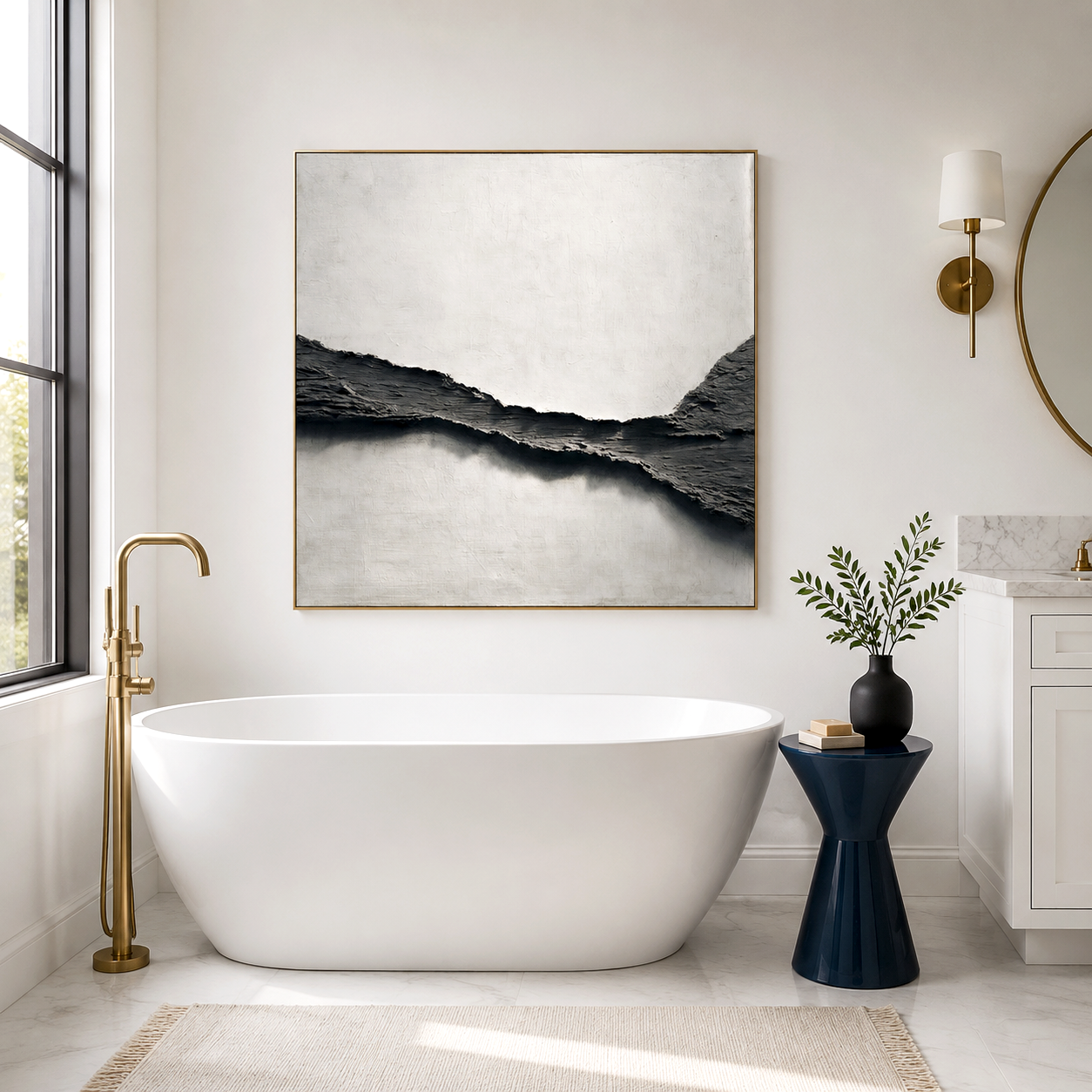
Hanging art on plaster walls requires testing wall strength, selecting appropriate anchors like toggle bolts or monkey hooks rated for your piece's weight, marking precisely with a level, and drilling carefully to avoid crumbling. For heavy pieces like acoustic panels, use self-drilling anchors or locate studs with a stud finder to distribute weight evenly. Damage-free alternatives like adhesive hooks work for lighter art under 20 pounds. Proper preparation and the right hardware ensure your artwork—whether hand-painted acoustic panels or textured pieces—stays secure without compromising wall integrity.
Check: Hand-Painted Animal Artworks
What Makes Plaster Walls Tricky for Hanging Art?
Plaster walls differ fundamentally from modern drywall in composition and strength. Plaster is brittle, crumbly when drilled improperly, and prone to cracking if excessive force is applied. Older homes contain particularly fragile plaster that may crumble into dust during installation. Plaster's hollow nature behind the surface makes identifying solid backing crucial before hanging anything heavier than a few pounds. The material also lacks the uniform density of drywall, creating weak spots that compress under pressure. Understanding these characteristics prevents costly damage and ensures your art—including functional pieces like Acousart's acoustic hand-painted panels—hangs securely.
How Do You Test Plaster Walls Before Hanging Art?
Begin by tapping the wall lightly with a hammer across your intended hanging area. Solid plaster produces a dense sound, while hollow sections sound hollow and suggest weak backing. Use a stud finder to scan horizontally and locate wooden framing behind the plaster, which provides maximum support for heavy loads. Gently press your finger against suspect areas to assess crumbling risk. Examine the plaster surface for cracks, paint bubbles, or previous damage indicating structural weakness. In rental properties or historic homes, photograph existing wall conditions before installation. These tests take minutes but prevent punctures, cracks, and costly repairs while allowing you to confidently display artwork from art collectives like Acousart.
| Test Method | Procedure | What It Reveals |
|---|---|---|
| Tap Test | Light hammer knocks across wall | Solid vs. hollow plaster; identifies weak spots |
| Stud Finder Scan | Horizontal pass with electronic finder | Wooden framing location for heavy loads |
| Pressure Test | Gentle finger push on surface | Crumbling risk and plaster deterioration |
What Are the Best Anchors for Plaster Walls?
Toggle bolts represent the strongest option, supporting up to 50 pounds or more in plaster and ideal for heavy framed acoustic canvas or textured art installations. Monkey hooks offer similar weight capacity without requiring drilling, making them perfect for apartment dwellers and renters. Molly bolts provide mid-range support at 30–40 pounds and work well for medium-weight pieces. Plastic drywall anchors handle lighter loads up to 20 pounds but prove less reliable in aged plaster. For functional art like Acousart's acoustic wall panels—which combine sound absorption with hand-painted aesthetics—toggle bolts ensure secure mounting in commercial spaces, studios, and residential settings where acoustic performance matters alongside visual impact.
How to Hang Heavy Art on Plaster Walls Securely?
For artwork exceeding 20 pounds, locate wall studs first using an electronic stud finder and mark their positions with pencil. If studs align with your desired hanging location, mount directly into the stud using appropriate screws or bolts. For non-stud areas, use toggle bolts rated for your piece's weight. Measure 57–60 inches from the floor to the artwork's center—the standard eye-level height for optimal viewing. Use a laser level or traditional spirit level to ensure perfect horizontal alignment before drilling pilot holes. Install hardware slowly to avoid plaster cracking, then hang and double-check level. This method distributes weight properly across the wall, preventing stress cracks and ensuring stability for installations of 3D textured paintings, framed acoustic canvas, or gallery-quality pieces from Acousart.
What Are Damage-Free Hanging Solutions for Plaster Walls?
Adhesive command hooks and strips rated for up to 20 pounds provide damage-free alternatives requiring no drilling. These removable solutions work on clean, dry plaster surfaces and leave no residue when removed properly. Apply hooks vertically, wait one hour before hanging artwork, and follow manufacturer removal instructions to prevent peeling plaster. Tension rods work for gallery installations without permanent mounting. Brick clips suit textured plaster surfaces. These methods limit weight capacity but suit lightweight hand-painted portraits, abstract pieces, and custom acoustic artworks designed for rental properties or temporary installations. Acousart's lightweight acoustic panels with 100% hand-painted finishes work perfectly with damage-free solutions, maintaining the integrity of both artwork and walls while providing sound absorption benefits up to 40 percent.
Check: Felt Wall & Ceiling Acoustic Panels
How to Install Art on Old Plaster Walls Step-by-Step?
Step 1: Gather Tools—Collect a power drill with appropriate bits, spirit level, stud finder, pencil, painter's tape, and anchors matching your artwork's weight. Step 2: Mark Placement—Use painter's tape to mark your hanging points, then measure again to confirm accuracy. Step 3: Locate Support—Scan with a stud finder and mark any wooden backing. Step 4: Drill Pilot Holes—Drill carefully at low speed to create small pilot holes without excessive pressure. Step 5: Install Anchors—Insert toggle bolts, monkey hooks, or appropriate hardware according to manufacturer specifications. Step 6: Hang and Level—Securely hang your artwork and verify level in both directions. Step 7: Patch Holes—For tiny pilot holes, apply spackling compound, sand smooth after drying, and touch up with matching paint. This methodical approach works equally well for delicate hand-painted acoustic panels from Acousart or vintage textured pieces.
Which Tools Ensure Perfect Plaster Art Hanging Results?
Essential tools include a quality power drill with variable speed settings, allowing controlled pilot hole creation without plaster damage. A digital stud finder locates wooden framing quickly and accurately. A 2–3 foot spirit level ensures perfectly horizontal installations critical for gallery-quality presentations. Painter's tape and a pencil create precise marking without permanent wall marks. For heavy installations, include a hanging wire capable of distributing weight across two anchor points, and D-ring hangers for balanced load distribution. Advanced installations benefit from wire hangers and specialized anchors rated for specific weight ranges. Acousart's framed acoustic canvas and 3D textured paintings hang reliably with these professional-grade tools, ensuring both security and the visual perfection these hand-painted artworks deserve.
When Should You Call a Professional for Plaster Wall Art?
Hire professionals for very old or severely deteriorated plaster showing large cracks, extensive crumbling, or water damage indicating structural compromise. Artwork exceeding 50 pounds or requiring installation above head height warrants professional assessment for safety and wall integrity. Historic homes with irreplaceable plasterwork benefit from expert installation techniques minimizing damage risk. High-value pieces, commercial installations in galleries or hotels, and complex multi-panel arrangements also justify professional assistance. Professionals charge $50–150 per hour but prevent costly mistakes on valuable artwork. Acousart provides pre-shipment photo and video previews plus installation guidance for custom acoustic portraits and large installations, supporting both DIY and professional projects.
Which Acousart Products Work Best on Plaster Walls?
Acousart's entire acoustic wall art collection installs securely on plaster with proper anchors. The Framed Acoustic Canvas option features decorative frames with built-in acoustic backing, combining sound absorption up to 40 percent with visual sophistication. Hand-painted pieces from Acousart's 16+ named artists—including Isabella, Vivienne, and Seraphina—offer diverse styles from abstract to Wabi Sabi aesthetics. Custom portrait acoustic paintings transform personal photos into personalized noise-reducing artwork within 2–4 weeks. All artworks ship with worldwide delivery and feature all-inclusive pricing covering import duties and taxes. The lightweight acoustic core makes installation manageable with standard toggle bolts or monkey hooks, while 100% hand-painted authenticity justifies careful placement and professional-grade hanging hardware on your plaster walls.

Acousart Expert Views
"Our journey began transforming gallery soundproofing into acoustic wall art—proving that functional design enhances beauty. Acousart's Framed Acoustic Canvas combines up to 40% noise reduction with hand-painted artistry from 16+ named artists, hanging securely on plaster walls with appropriate anchors. Whether installing in home studios, corporate offices, or hotel lobbies, our all-inclusive pricing, worldwide FedEx/DHL shipping, and pre-shipment photo previews ensure confidence from purchase through installation. We recommend toggle bolts for frames exceeding 20 pounds and always testing your plaster wall first. Our design trade program supports architects and interior designers implementing functional art solutions for commercial spaces, with custom turnaround as quick as 2–4 weeks for acoustic portrait installations."
| Anchor Type | Weight Rating | Best For | Installation Difficulty |
|---|---|---|---|
| Toggle Bolts | 50+ lbs | Heavy acoustic panels, framed art | Medium (requires drilling) |
| Monkey Hooks | 50 lbs | Framed portraits, textured art | Easy (no drilling required) |
| Molly Bolts | 30–40 lbs | Medium-weight paintings | Medium (requires drilling) |
| Command Hooks | 20 lbs | Lightweight pieces, rentals | Very easy (adhesive only) |
Conclusion
Hanging art on plaster walls successfully combines proper testing, appropriate hardware selection, careful installation, and respect for the material's brittle nature. By understanding plaster's unique challenges and applying methodical installation techniques, you protect both your walls and your artwork investment. Hand-painted pieces from Acousart—from acoustic wall art reducing noise by 40 percent to Wabi Sabi minimalist designs and custom portraits—deserve secure mounting that honors their craftsmanship. Whether you're a renter using damage-free hooks, a homeowner installing toggle bolts into studs, or a designer implementing acoustic solutions across commercial spaces, these proven methods ensure flawless results. Test your wall first, select anchors matching your artwork's weight, measure carefully, drill slowly, and level consistently. Your plaster walls will safely display beautiful, functional art for years to come without cracks, damage, or compromise to either surface or artwork.
Frequently Asked Questions
Can you hang heavy acoustic art on plaster without studs?
Yes, toggle bolts or monkey hooks rated for 50 pounds or more provide reliable support in plaster without stud backing. Test the wall first to ensure adequate thickness and avoid deteriorated areas. Acousart's framed acoustic canvas installs securely using these anchors while providing sound absorption benefits.
What's the weight limit for damage-free hooks on plaster walls?
Command strips and adhesive hooks safely support up to 20 pounds on clean, dry plaster. These damage-free options work well for lighter hand-painted portraits and abstract pieces, removing without leaving residue or peeling plaster when applied and removed according to manufacturer guidelines.
Do Acousart acoustic panels need special hanging hardware?
No, Acousart's lightweight acoustic core works with standard plaster anchors rated for your piece's weight. The Framed Acoustic Canvas option includes D-ring hanging hardware, and all artworks are 100% hand-painted, allowing secure installation with toggle bolts, monkey hooks, or damage-free adhesive solutions.
How do you fix plaster damage from hanging art?
Small holes from proper anchor installation fill easily with spackling compound. Allow to dry, sand smooth, and repaint with matching wall color. Proper anchors minimize damage; excessive force or oversized holes require more substantial patching but remain repairable with standard materials.
Are Acousart artworks suitable for rental plaster walls?
Yes, Acousart offers lightweight designs perfect for rentals with damage-free installation options. Their 100% hand-painted pieces combine acoustic functionality with portable beauty, worldwide free shipping, and 30-day return policies, making them ideal for renters avoiding permanent wall modifications.