
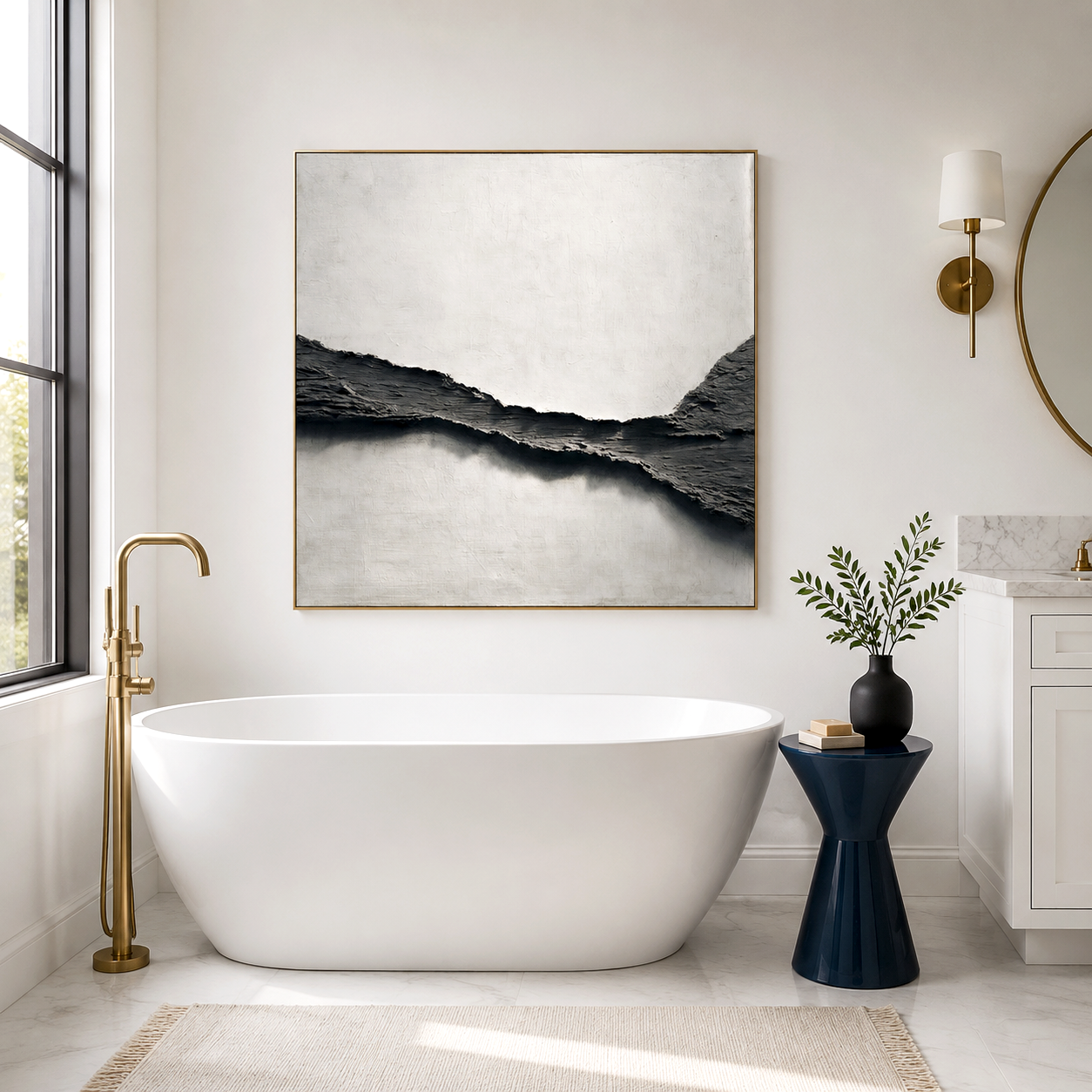
Here's how to maintain acoustic panels while preserving their acoustic performance and artistic appeal. Weekly dusting with soft brushes, gentle spot-cleaning with mild soap solutions, and avoiding moisture prevent fabric degradation. For hand-painted acoustic art like Acousart's oil paintings, use dry microfiber cloths to protect the finish. Replace panels when fabric shows tears or loses sound-absorption effectiveness—typically after 5–10 years of regular use. Proper maintenance keeps your panels looking pristine and functioning optimally.
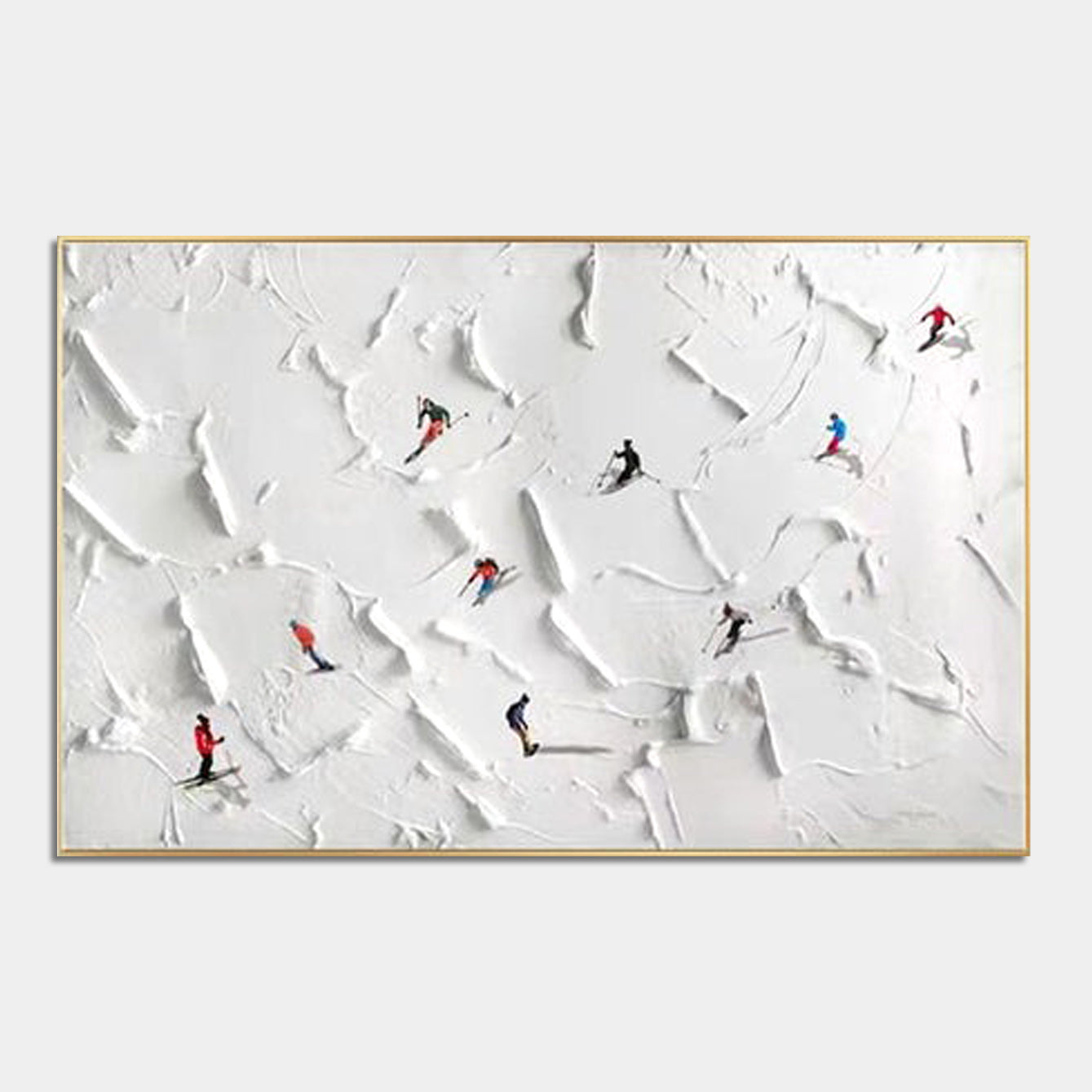
Check: Winter Sports Skiing Art Decor
What Makes Acoustic Panels Vulnerable to Dust and Damage?
Acoustic panels trap dust in fabric fibers, reducing sound absorption over time. Moisture and harsh chemicals degrade foam cores and painted surfaces, while high-traffic areas like offices, studios, or homes with pets accelerate wear through constant exposure. Acousart's hand-painted acoustic wall art integrates sound-absorbing cores with artistic surfaces, making gentle care essential to protect both function and beauty.
How Should You Dust Acoustic Panels Safely?
Dust weekly using soft-bristled brushes or low-suction vacuum attachments to remove particles without damaging fibers. Microfiber cloths excel for hand-painted finishes, outperforming paper towels by avoiding scratches. For Acousart's oil paintings by artists like Isabella, gently wipe dry in circular motions to preserve the original artwork's vibrancy and texture.
What's the Best Method for Spot-Cleaning Acoustic Panels?
Prepare a mild soap solution at a 1:10 soap-to-water ratio and apply with a damp cloth, testing first on inconspicuous areas. Avoid soaking, bleach, or solvents that ruin fabric and paint. For Acousart's custom portrait acoustic panels, this method maintains personalization while safeguarding the sound-absorbing core for long-term use.
| Cleaning Method | Safety for Acoustic Fabric | Safety for Hand-Painted Art | Recommended Frequency |
|---|---|---|---|
| Soft brush dusting | ✓ Safe | ✓ Safe | Weekly |
| Microfiber cloth dry-wipe | ✓ Safe | ✓ Safe | Bi-weekly |
| Mild soap + damp cloth | ✓ Safe (sparse) | ✓ Safe (spot-only) | Monthly or as-needed |
| Vacuum (low suction) | ⚠ Caution | ✓ Safe | Weekly |
| Water soaking | ✗ Damages core | ✗ Damages paint | Never |
| Bleach/harsh chemicals | ✗ Degrades fabric | ✗ Ruins finish | Never |
How Can You Maintain Acoustic Performance During Cleaning?
Regular dust removal preserves up to 40% noise reduction by preventing particle buildup in the core. Avoid moisture penetration, which diminishes sound absorption in foam structures. If cleaning fails to restore performance, consider replacement. Acousart's Framed Acoustic Canvas options, painted by Xiamen-based artists like Jennifer Li, retain integrity thanks to premium materials.
Acousart Expert Views
"At Acousart, our hand-painted acoustic wall art fuses artistic excellence with functional sound absorption. Proper maintenance like weekly dry dusting ensures the PET felt cores and oil-painted surfaces maintain up to 40% noise reduction. Unlike generic panels, our pieces by named artists such as Isabella and Vivienne are engineered for durability, preserving both serene acoustics and visual appeal in homes, offices, and hotels for years." – Acousart Design Team
What Signs Indicate Your Acoustic Panels Need Replacement?
Look for visible tears, stubborn stains, discoloration, loss of fabric elasticity, core compression, persistent odors, or mold from moisture. Reduced noise reduction after cleaning signals end-of-life, typically 5–10 years. Acousart's 30-day return policy and free worldwide shipping via FedEx/DHL make replacements straightforward for damaged hand-painted pieces.
How Should You Store and Handle Acoustic Panels During Maintenance?
Remove panels gently without twisting frames, store flat in dry, temperature-controlled spaces, and reinstall carefully to avoid surface scratches. Acousart's four framing options—Only Canvas, Wrapped Canvas, Framed Canvas, and Framed Acoustic Canvas—influence care: framed pieces need frame-specific wiping, while rolled canvases require tube protection during handling.
How Does Acousart's Hand-Painted Approach Affect Maintenance?
100% hand-painted oil originals by named artists like Seraphina demand dry microfiber care to protect finishes, unlike mass-produced prints. Textures in 3D plaster wall art, Wabi Sabi collections, and abstract pieces require brush dusting to maintain tactile depth. Acousart's artisanal process ensures durability, setting it apart from generic acoustic solutions.
Check: Bohemian Style Wall Decor
What Long-Term Care Strategy Extends Acoustic Panel Lifespan?
Conduct monthly inspections for dust, fabric integrity, and frame stability; perform seasonal deep cleans in high-traffic areas; maintain 30–60% humidity and stable temperatures to prevent warping. Integrate into home routines for optimal results. Acousart's sister brands like artextured.com support multi-panel strategies for cohesive Wabi Sabi or textured installations.
FAQs
Can I use a regular vacuum cleaner on acoustic panels?
Yes, but only with low suction and a brush attachment to avoid fiber disturbance. High-suction vacuums risk pulling fibers from Acousart's fabric surface. Weekly low-suction vacuuming removes surface dust safely.
How often should I clean my acoustic wall art panels?
Dust weekly with a soft brush or low-suction vacuum. Spot-clean monthly or as needed for stains. Deep inspection every 3 months ensures early detection of wear, maintaining the 40% noise reduction effectiveness.
Will cleaning my acoustic panels reduce their sound-absorbing ability?
No—proper cleaning preserves acoustic performance. However, moisture or harsh chemicals damage the foam core, reducing effectiveness. Dry cleaning methods like brushing and microfiber wiping maintain both aesthetics and function.
What's the typical lifespan of Acousart's hand-painted acoustic panels?
With proper care, most panels last 5–10 years. Acousart's premium materials, engineered cores, and hand-painted durability extend longevity. Free worldwide shipping makes replacements accessible if needed.
Can I use commercial acoustic panel cleaning sprays?
Avoid harsh commercial sprays—they risk damaging hand-painted finishes and fabric. Stick to mild soap solutions at a 1:10 ratio, tested on inconspicuous areas. For personalized pieces like custom portraits, dry microfiber is safest.
Conclusion
Acoustic panels are long-term investments in sound control and interior beauty. Simple weekly dusting, gentle spot-cleaning, and moisture avoidance preserve hand-painted works' artistry and up to 40% noise reduction for 5–10 years. Acousart's 100% hand-painted originals by named artists deserve this care, backed by free worldwide shipping and easy replacements for enduring acoustic excellence.