
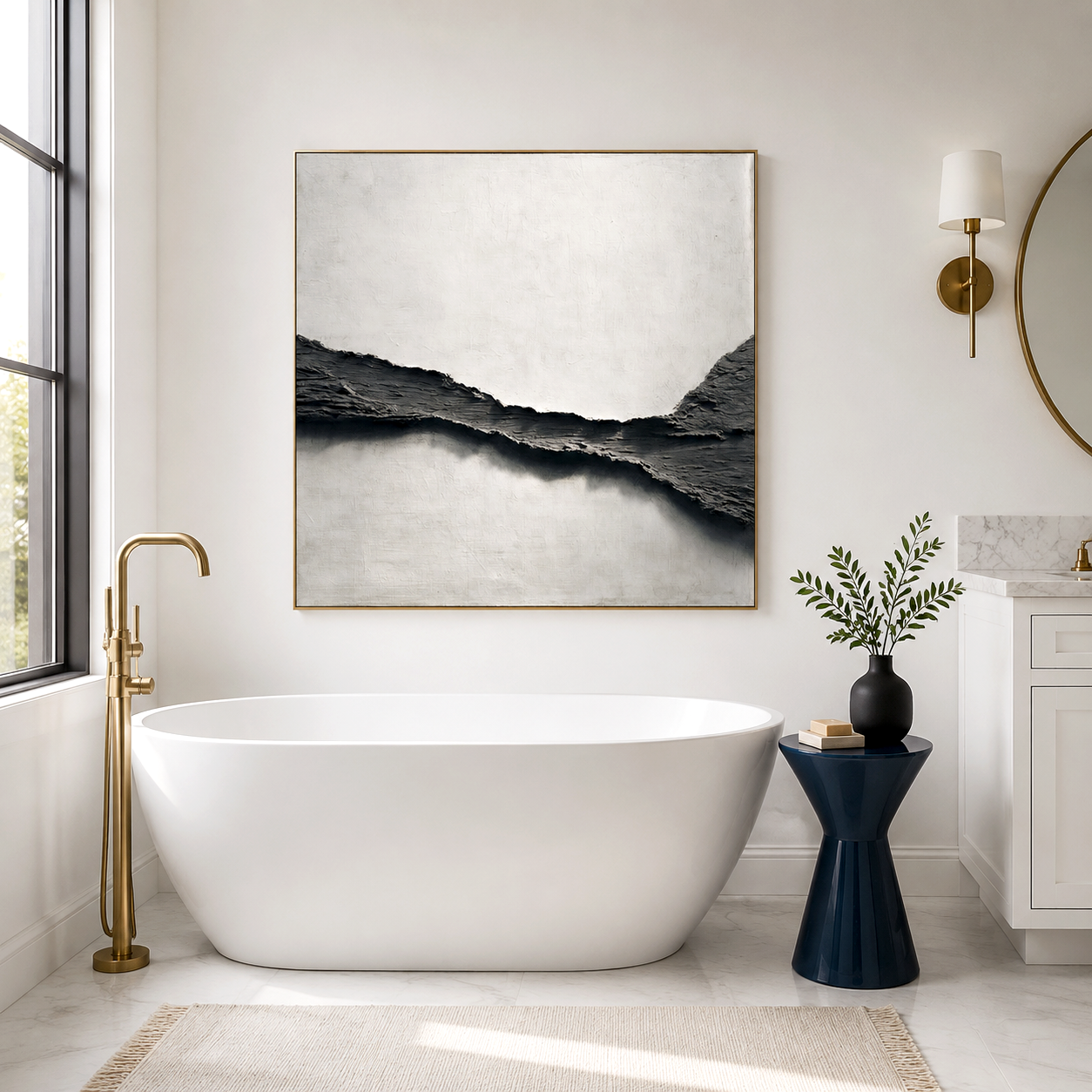
A hard-surfaced living room or home office can look beautifully minimal yet sound surprisingly harsh. Voices feel loud, video calls ring in your ears, and every clink or cough seems to bounce around. Acoustic panels for walls exist exactly for this situation: they use sound‑absorbing cores hidden behind decorative facings to soak up part of that energy so the room sounds quieter and more controlled, without turning your space into a recording studio. This article explains, in plain language, how wall‑mounted acoustic panels actually reduce noise and echo, why they are different from true soundproofing, where to place them in real rooms, and how to choose decorative designs that sit comfortably in a stylish home, office, or hospitality interior.
What acoustic panels for walls really do
At their core, noise reducing wall panels are about managing what happens to sound after it leaves a mouth, speaker, or clattering plate. In a typical modern room with drywall, glass, tile, and wood floors, sound waves hit these hard, reflective surfaces and bounce around repeatedly. That build‑up of reflections is what we perceive as echo, muddiness, and a “busy” room sound rather than a single clear voice.
Acoustic panels for walls tackle that reverberation by using porous, soft materials—often fibrous or foam‑based—behind a fabric, art print, or textured surface. When a sound wave hits the panel, part of the acoustic energy enters the material and is converted to a tiny amount of heat through friction within the fibers. Because less energy is reflected back into the room, reverberation time shortens and the space feels calmer and more intelligible. The effect is especially noticeable with speech, keyboard clicks, and mid‑ to high‑frequency noise common in living rooms and offices.
Absorption versus soundproofing – clearing up the confusion
One of the most important distinctions is that acoustic wall treatment controls sound inside the room; it does not seal the room off from the rest of the building. Absorption panels are designed to let sound enter so they can capture it. If sound can enter a material, some of it may also pass through, so these panels are not barriers.
True soundproofing—or more accurately, sound isolation—is a structural exercise. It relies on mass (heavier or double‑layer walls), decoupling (separating surfaces so vibrations don’t pass easily), and airtight sealing around doors, windows, and gaps. That is how you reduce noise transmission between rooms or from outside traffic. By contrast, decorative wall acoustic panels improve acoustic comfort within an existing envelope. They may make a room feel quieter overall and reduce the sense of chaos, but they will not stop loud music from leaking to the apartment next door or completely block street noise.
When you view acoustic panels for walls as “room tuning” rather than a magic silence button, expectations become realistic. You are investing in clarity, comfort, and a more controlled sound field, not total isolation.
How acoustic panels reduce noise and echo in practice
In practical terms, adding sound absorbing panels for walls changes the way everyday sounds behave. Imagine a living room with bare walls, a TV, and a low sofa. When someone speaks, their voice radiates in all directions. Some sound arrives directly at your ears; the rest hits side walls, the wall behind the TV, and the wall behind the listener, then bounces back with a small delay. Those overlapping reflections blur consonants, make TV dialogue harder to follow, and can push the overall loudness up because the sound lingers.
Once acoustic panels sit on those key wall surfaces, each reflection has a higher chance of being absorbed on impact instead of ricocheting across the room. The decay of sound becomes smoother and shorter, so you perceive less “ring” and more definition. People often report that they instinctively speak more softly, that calls feel less fatiguing, and that music sounds less splashy and more detailed. In open‑plan areas, this can mean conversation zones feel more contained and less like they spill across the entire floor.
The benefit often feels disproportionate to the visual change because much of the work happens at frequencies our ears are very sensitive to, especially for human speech.
Where to place acoustic wall panels in real rooms
Placement is as important as the panels themselves. Because panels work by catching reflections, they are most effective at the first surfaces sound hits after leaving the source—called primary reflection points. In a living room, these are usually the side walls roughly at ear height between your main seating and the TV or speakers, the wall directly behind the TV or speakers, and sometimes the wall behind the seating.
In a home office, the key reflections come off the wall behind your monitor and the side wall next to your desk, where your voice bounces during calls. Mounting acoustic panels at those points tends to reduce the hollow, boxy quality you often hear on video calls and makes your own voice less intrusive in your ears. In open‑plan living‑dining spaces, concentrating panels around the main conversation and TV zone rather than scattering them randomly across distant walls usually yields a more noticeable change.
You do not need to cover every surface. A considered cluster of panels at the loudest or most used part of the room can make a meaningful difference, especially when combined with soft furnishings like rugs, curtains, and upholstered seating.
Matching panel coverage and room type
Different rooms call for different levels of wall coverage. In a small, sparsely furnished home office with one person talking, a few medium panels may be enough to take the edge off. A large, double‑height living room or a lively dining area with hard floors and glass will demand more surface area before you really notice a change in reverberation.
A useful way to think about coverage is by proportion rather than a precise formula: what percentage of your most reflective wall surfaces are soft versus hard? If nearly everything is glass, plaster, and stone, even beautifully made panels will have to compete with a lot of reflective area. As you add textiles and furniture, the panels become part of a broader acoustic strategy. In multi‑use open spaces, it is often better to create a concentrated “acoustic island” above and around the main seating zone than to thinly spread treatment everywhere.
Because every layout is slightly different, many designers start with the most obvious reflection points and then listen. If the room still feels too lively, they add panels to secondary surfaces rather than jumping directly to full‑wall coverage.
Decorative acoustic panels versus industrial-looking treatment
Traditional studio or office acoustic panels tend to look technical: plain rectangles of fabric or foam, often in muted colors and visible grid layouts. They work well but can feel at odds with refined residential interiors or boutique hospitality spaces. Decorative wall acoustic panels aim to solve the same acoustic problem in a more visually integrated way by wrapping those sound‑absorbing cores in artful facings—printed imagery, woven textiles, or even handmade textured surfaces.
From a functional perspective, the key is that the facing remains acoustically transparent enough for sound to reach the absorbing core; a heavy, sealed glass front, for example, would negate much of the effect. Aesthetically, decorative acoustic panels allow you to treat first reflection points without breaking the design language of the room. They can read as intentional art pieces or part of a wall composition rather than technical add‑ons.
This is where brands positioned between art and acoustics are useful. Acousart, for instance, focuses on acoustic wall art and handmade oil‑style surfaces that incorporate sound‑absorbing construction behind visually rich fronts, giving designers and homeowners options that do not resemble office furniture.
Integrating acoustic panels into stylish interiors
In a well‑resolved room, acoustic wall treatment should disappear into the design story rather than feeling like an afterthought. One approach is to treat panels as you would any large‑scale artwork: align them with sightlines, furniture arrangements, and architectural features. For example, two or three aligned panels behind a sofa can behave both as a gallery‑like focal point and as acoustic absorption for conversation.
Color and tone matter. Choosing panels that echo the wall color creates a quiet, textural backdrop where the acoustic function is almost invisible; opting for bolder hues or abstractions turns panels into statement pieces. Texture can also be your ally—subtle relief, brush strokes, or textile weaves introduce visual softness that mirrors the acoustic softening, especially in rooms dominated by smooth materials.
If you want a sense of how decorative acoustic art can read in a space, it can help to explore curated examples that show panels styled above sofas, consoles, or desks, paying attention to height and spacing relative to furniture.
When acoustic wall panels are not the whole answer
There are clear limits to what acoustic panels for walls can do, and acknowledging them leads to better results. Because they work by absorbing reflections inside the room, they cannot fix noise that is structurally transmitted through thin walls, poorly sealed windows, or ceilings. If your primary issue is hearing your upstairs neighbor’s footsteps or heavy traffic from outside, wall panels alone will not solve that; you are in sound isolation territory, which often requires building changes.
Coverage and expectations also matter. One small decorative panel in a large, echo‑prone open plan will barely register acoustically, even if it looks beautiful. To shift room character, you generally need enough surface area treated at the right locations, ideally supported by soft furnishings. Conversely, in very small rooms it is possible to overdo absorption and end up with a sound that feels overly dry or “dead.” The sweet spot is a balance where you still hear natural liveliness but without the long trailing echo that makes voices tiring.
Finally, it is important not to assume that any stretched canvas or decorative painting behaves like a noise reducing wall panel. Standard art without an intentional sound‑absorbing core may offer only modest acoustic benefit, mostly due to minimal surface texture. If acoustic performance is part of your goal, look specifically for products designed as acoustic panels, not just visually similar art pieces.
How Acousart fits into the acoustic art landscape
For readers who care as much about how a wall looks as how a room sounds, brands that bridge art and acoustic treatment offer a pragmatic middle path. Acousart positions itself in this niche with acoustic wall art and handmade oil‑inspired pieces that incorporate sound‑absorbing construction behind decorative surfaces. The intent is not to compete with industrial panels on raw laboratory metrics but to give design‑sensitive homeowners, offices, and hospitality projects a way to soften echo without introducing visually jarring foam or office baffles.
If you are working on a specific room, it can be helpful to think in terms of both layout and style. A single large piece might suit a compact home office where one wall does most of the acoustic work, while a multi‑panel arrangement could better support a long living room wall that also needs visual structure. When in doubt, sketch the wall elevation with furniture and sightlines first, then decide where acoustic art can replace what would otherwise be conventional decor.
Acousart will not be the right solution for heavy‑duty sound isolation between units or for technical recording studios that require tightly specified performance data. But for echo‑prone living rooms, open‑plan offices, or intimate hospitality venues where atmosphere and aesthetics are intertwined, browsing curated acoustic art and wall decor can be a sensible next step. You can browse all wall art products on Acousart’s website to see how different formats and textures might fit your project and then refine placement in collaboration with your designer or contractor.
Frequently asked questions
Do acoustic panels for walls completely block outside noise from entering a room?
No. Acoustic panels for walls are designed to manage internal sound reflections and room reverberation, making interiors feel calmer and clearer, but they do not function as full soundproof barriers. Stopping noise transmission between rooms or from outdoors generally requires architectural soundproofing measures such as heavier construction, decoupled walls, and careful sealing of gaps.
Where should acoustic wall panels be placed for the best results?
They are most effective when mounted at primary reflection points: the wall areas where sound from voices, speakers, or TVs first bounces before reaching the listener. In practice, this means side walls at ear height near seating or desks, the wall behind your audio or TV setup, and often the wall behind your main listening or conversation position, adjusted to the specifics of each room layout.